Wooded Courses vs Open Courses
Published How we research
Disc golf courses fall broadly into two families. Wooded courses run through forest with narrow fairways, tight gaps, and short to medium length holes. Open courses stretch across fields or parkland with long, exposed holes and few obstacles besides wind and terrain. The skills that produce good scores on one can actively hurt you on the other, and knowing which type you are playing should change what you put in your bag before you start.
Products from this article
The highest-scoring picks from the buying guides this article links to. Scores are our editorial assessment, not customer ratings.
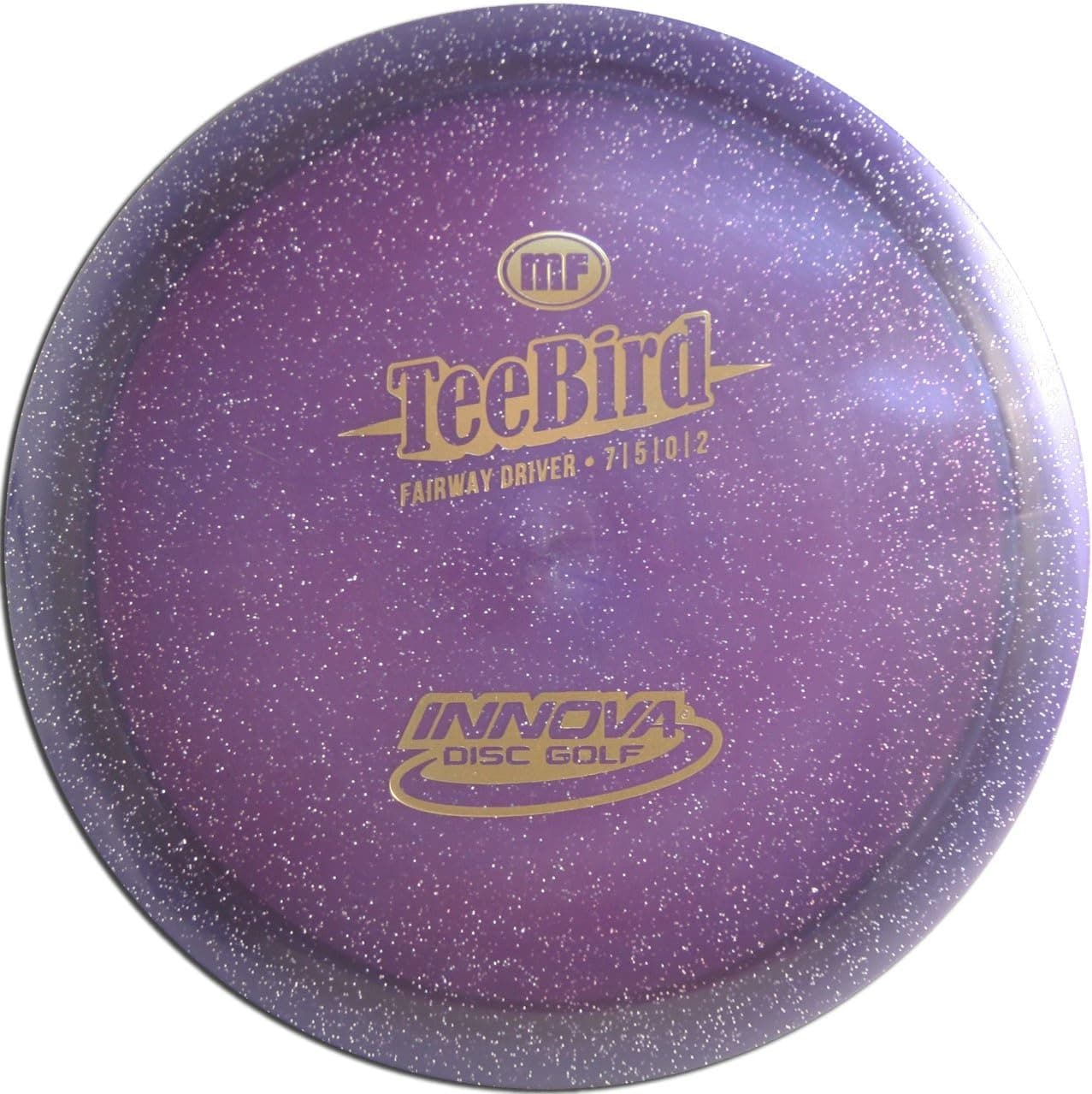
+ Teebird is a classic fairway mold known for straight, controllable lines
From our guide: Best Fairway Drivers for Disc Golf
+ 62 Inch canopy covers both player and disc bag
From our guide: Best Umbrellas for Disc Golf
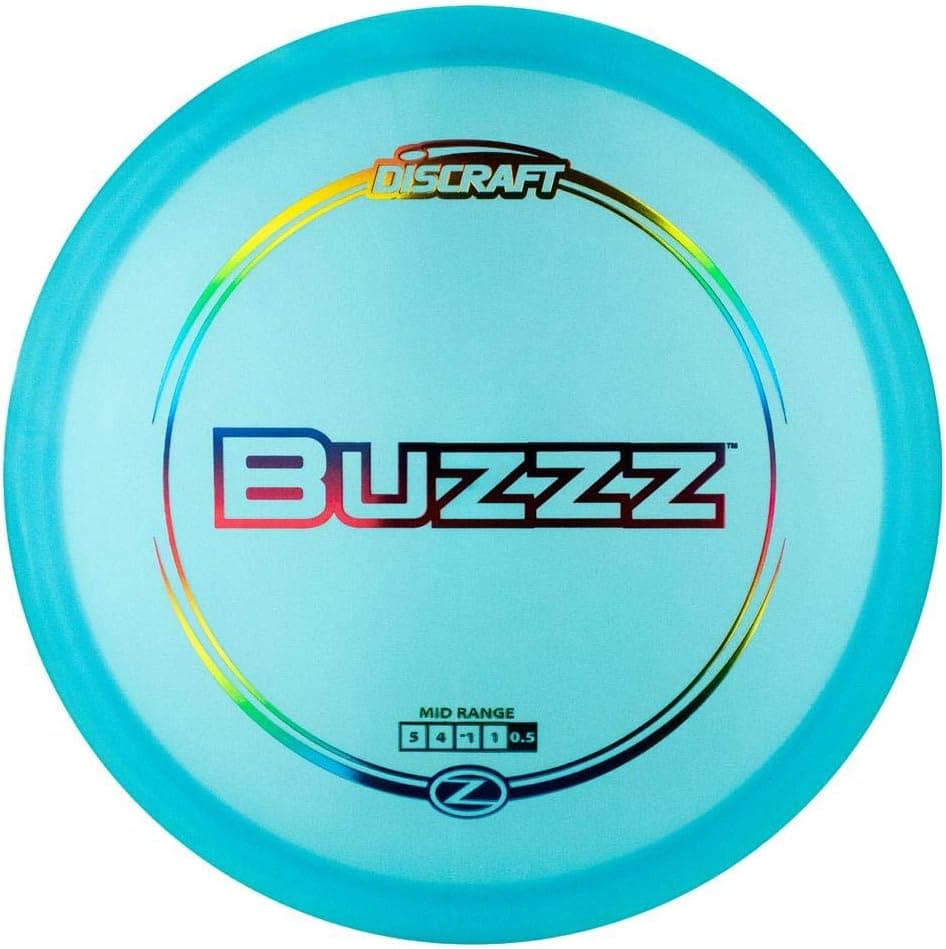
+ Buzzz flies straight with a gentle finish, so it covers many mid-range lines
From our guide: Best Midrange Discs for Disc Golf
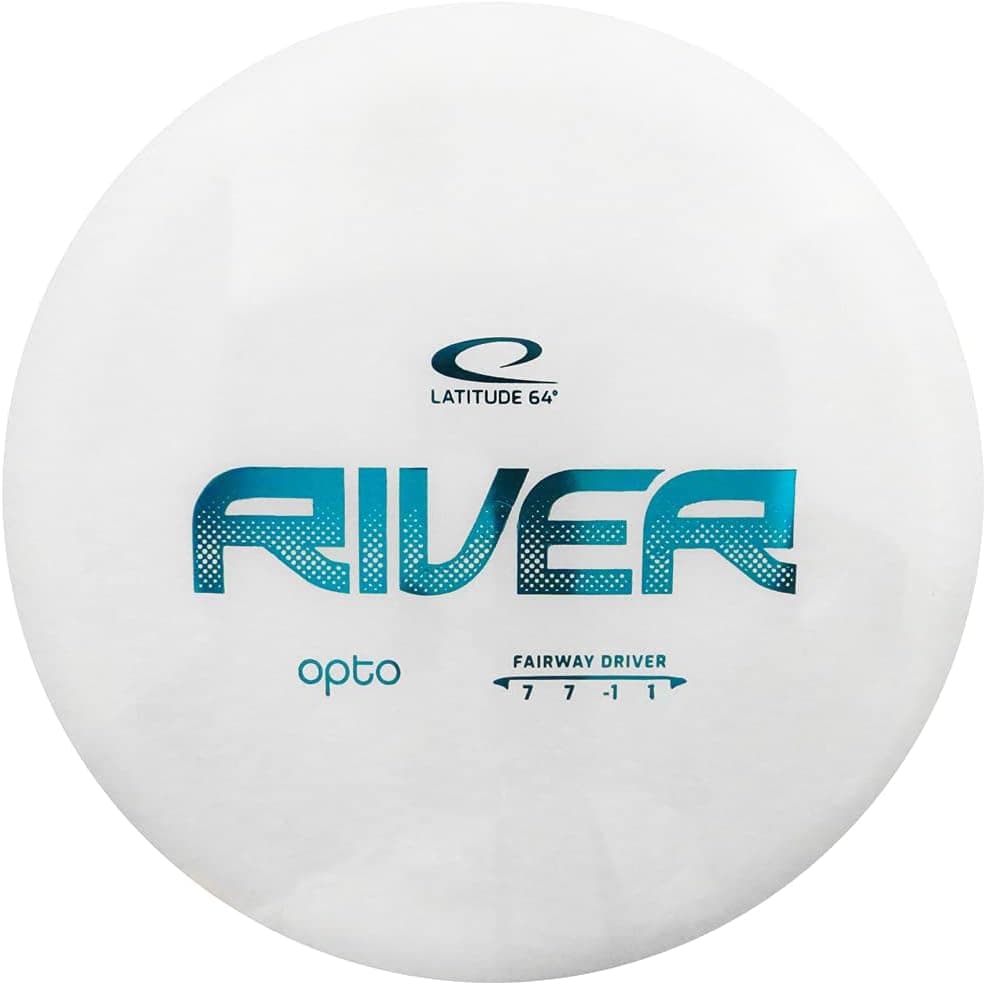
+ River is known for lots of glide and a mostly straight flight
From our guide: Best Fairway Drivers for Disc Golf
On wooded courses, accuracy dominates. Holes are usually shorter, so raw distance is not the limiting factor, and a throw that flies two hundred meters into a tree trunk scores worse than a controlled ninety meter throw down the middle. The discs that shine here are putters, midranges, and slower fairway drivers, all of which are easier to place precisely and less likely to run away into the undergrowth when something goes wrong. Many strong players carry mostly midranges on a tight course.
Line selection in the woods is a specific skill. Rather than aiming at the basket, look for the gap you must pass through and aim at that. Identify where the disc will be at its highest point and check whether a branch occupies that space. Plan where the disc will land and consider whether a skip will carry it into trouble. Then commit fully. Half-hearted throws in the woods usually end up in the worst possible place, because a decelerating disc falls exactly where you did not want it.
Height discipline matters enormously in wooded play. Most beginners throw too high, which puts the disc into the canopy where branches are dense. A flatter, lower flight travels through the trunk zone, where gaps are actually larger. Learning to throw a controlled low line with a putter or midrange is probably the single most valuable wooded course skill available. Open courses reverse the priorities. Distance and wind management become the deciding factors, holes are longer, and there is more room to recover from a slightly off-line throw. This is where fairway and distance drivers earn their place, and where understanding your maximum controlled distance really matters. It is also where wind has nothing to block it, so more overstable discs and heavier weights become important.
Strategy differs too. In open terrain, the temptation is to throw maximum power on every tee, but out of bounds lines, water, and long grass usually punish wild throws severely. A useful approach is to pick a landing zone rather than a maximum distance, then choose the disc and power level that reliably reaches it. Two controlled throws will beat one huge throw and one recovery throw on most long holes.
Bag adjustments are straightforward once you know the course type. For wooded rounds, carry extra putters and midranges, favour grippier plastics because you will be throwing lower power shots, and leave the high-speed drivers at home if they only tempt you. For open rounds, bring your drivers, your most overstable options for wind, and consider slightly heavier weights across the board.
Many courses mix both styles, with a wooded front nine and an open back nine or individual holes that change character. In that case, the mental adjustment matters most: recognize on the tee which type of hole you are playing and shift your priorities accordingly. Players who throw the same shot with the same disc on every hole regardless of terrain leave a lot of strokes on the course.
Popular right now
- Best Soft Putters for Disc GolfBuying guide
- Best Overstable Drivers for Disc GolfBuying guide
- Disc Golf Weight and Diameter ChartArticle
- Backhand Form BasicsArticle
- Best Fairway Drivers for Disc GolfBuying guide
- Best Understable Drivers for Disc GolfBuying guide
Based on the last 28 days of search and visitor data.