Backhand Form Basics
Published How we research
The backhand is the foundational throw in disc golf and the one most players spend years refining. It looks like a simple arm motion, but almost all of the distance comes from the legs and torso. A player who understands the sequence will out-throw a stronger player who muscles the disc every time. The good news is that the sequence can be learned in a field with a handful of discs and some patience.
Products from this article
The highest-scoring picks from the buying guides this article links to. Scores are our editorial assessment, not customer ratings.
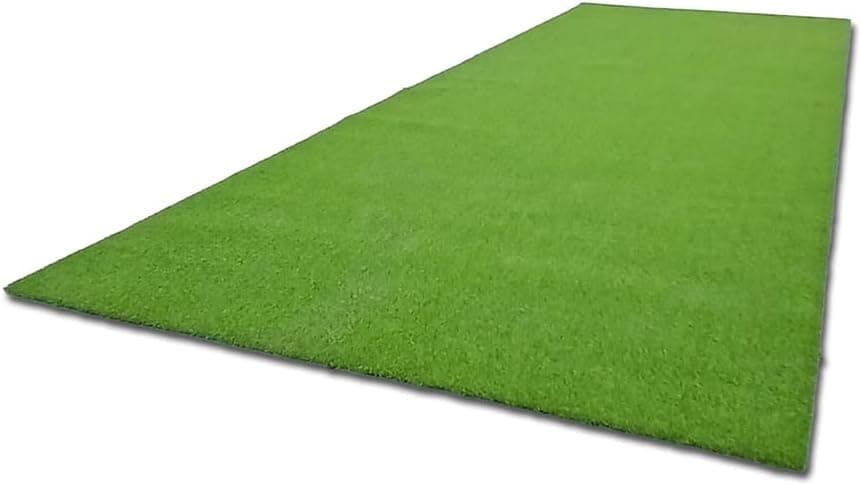
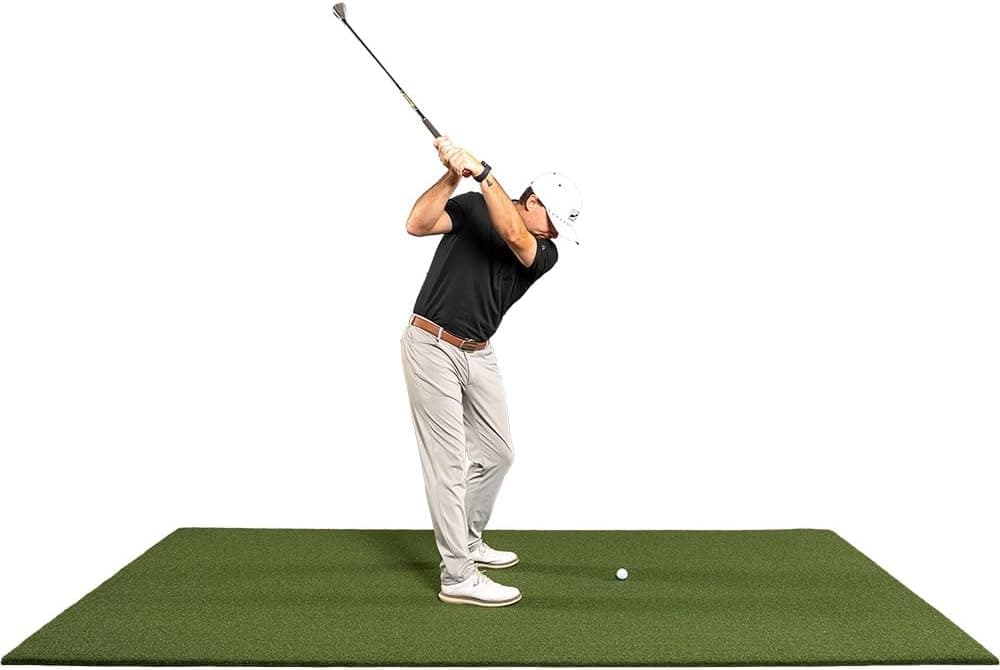
+ 5 x 5 size gives a large, stable standing surface for footwork
From our guide: Best Disc Golf Putting Mats
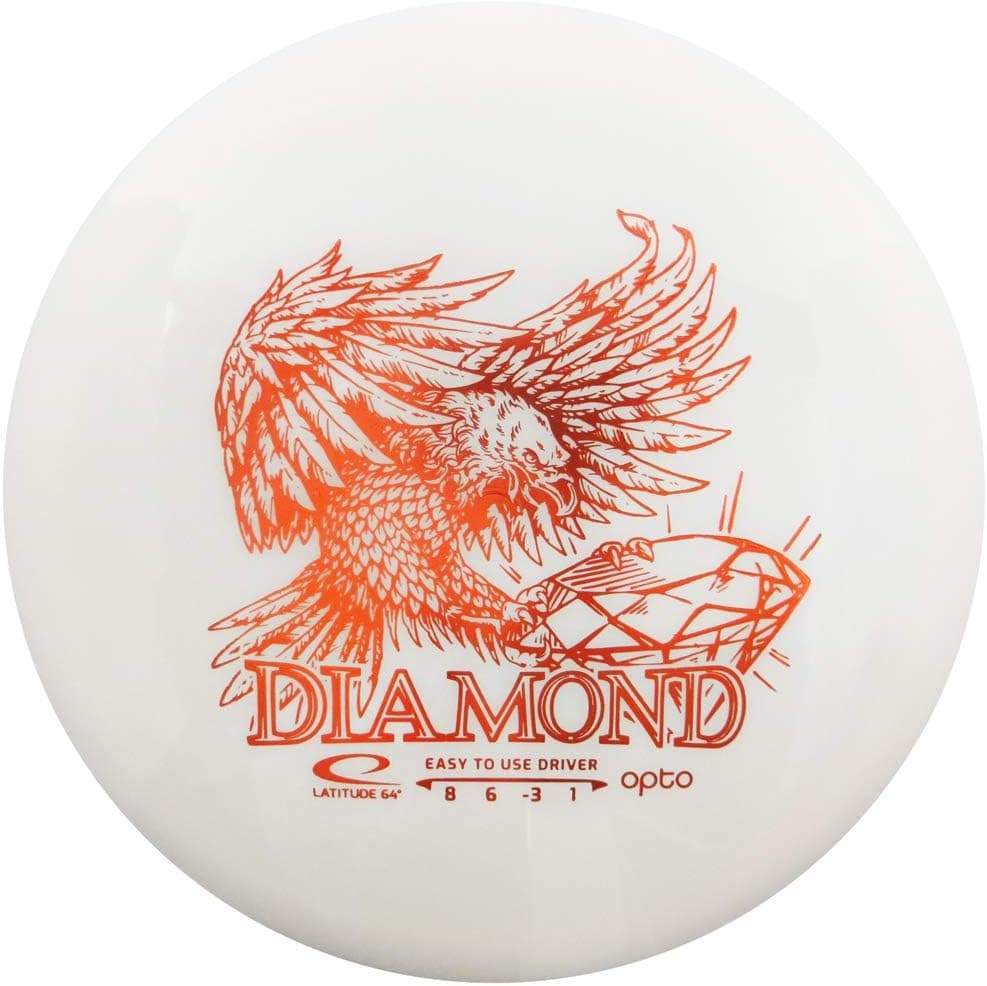
+ Diamond is purpose-built for easy distance with little power
From our guide: Best Disc Golf Drivers for Beginners
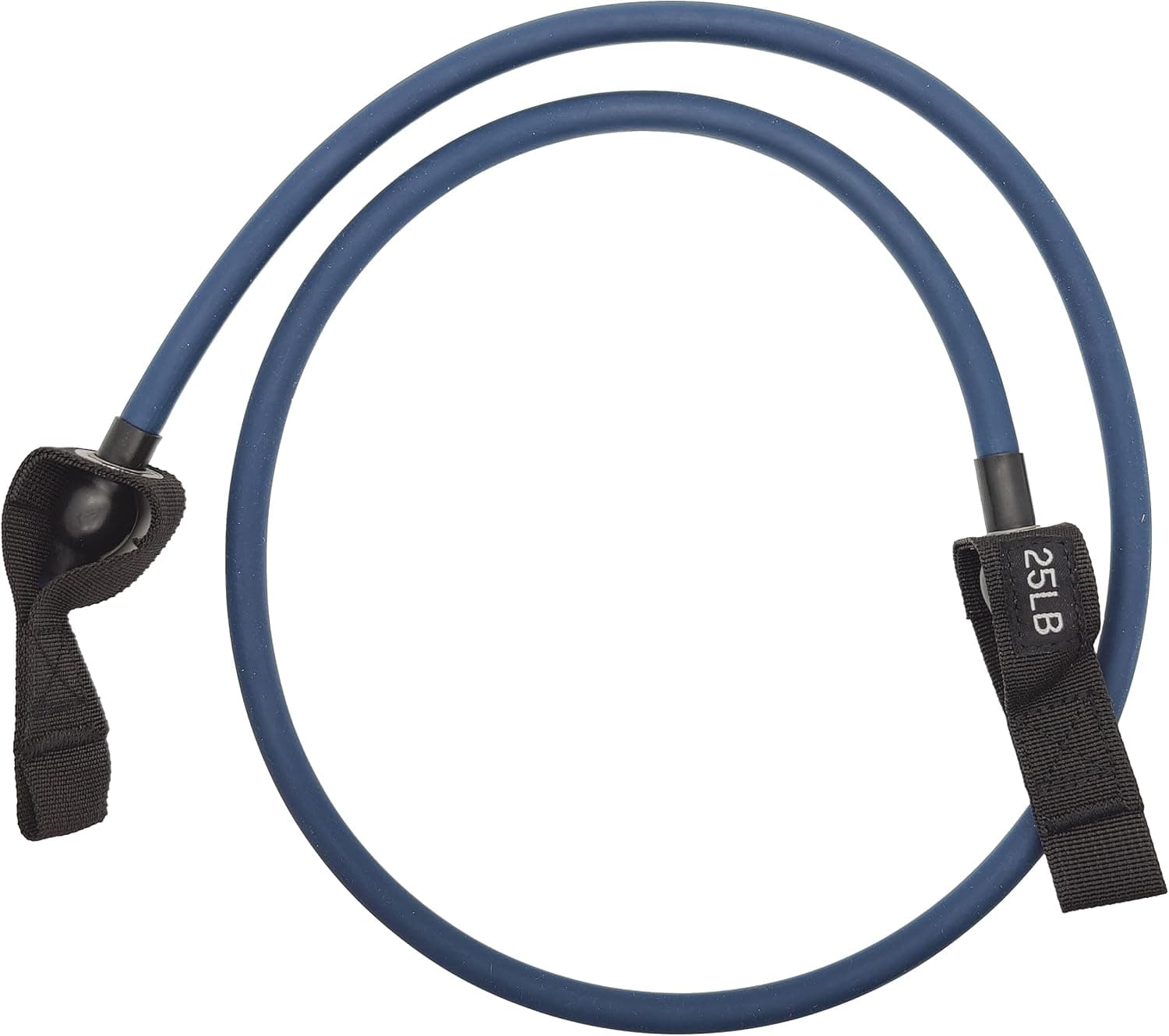
+ 25lb band offers advanced resistance for stronger players
From our guide: Best Disc Golf Form Training Tools
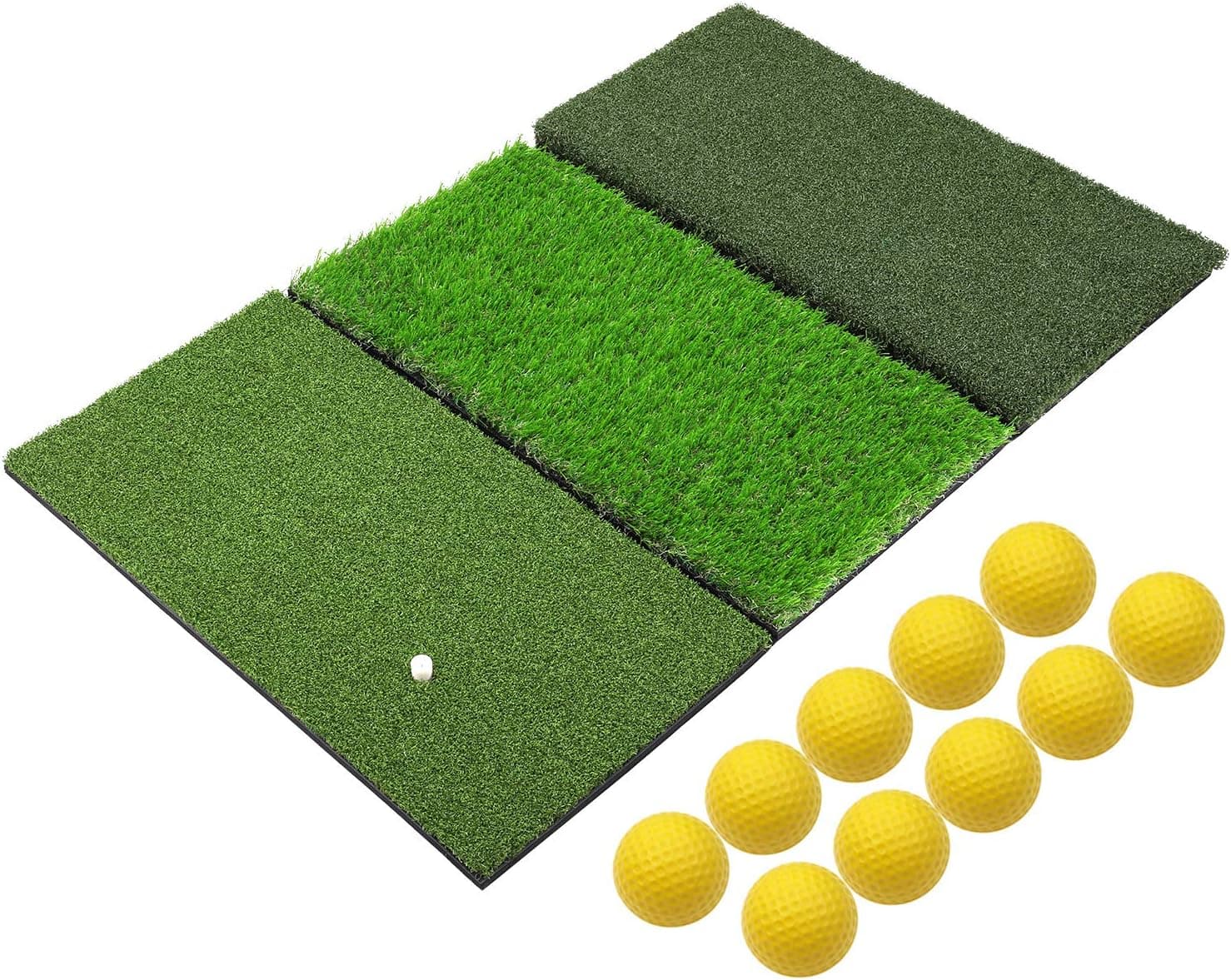
+ 24'' x 37'' XL size gives a roomy stance area for putting practice
From our guide: Best Disc Golf Putting Mats

Start with the grip. Place the disc in your hand so the rim sits snugly in the crease where your fingers meet your palm, then curl your fingers under the rim with your thumb pressed on top. A power grip has all four fingers under the rim and is what you want for drives. The pressure should feel firm but not white-knuckled. A grip that is too loose lets the disc slip early and flutter, and a grip that is too tight tenses the forearm and slows the arm down.
The reachback sets up everything that follows. Extend the disc back away from the target with a relatively straight arm, keeping the disc level with the line you want it to fly on. Do not reach back high and pull down, and do not round the disc behind your back in a wide arc. The disc should travel a compact path close to your chest as you pull it forward. Rounding is the single most common cause of throws that fly hard left, because it steers the disc off line before you even release.
Weight shift is where the power lives. Your throw should move from your back foot to your front foot, with your hips rotating open before your shoulders and your shoulders before your arm. This staggered sequence is what coaches mean by the kinetic chain. If you feel your arm working hard, the chain is broken somewhere earlier. A useful drill is to stand still, plant your feet in a wide stance, and throw using only hip rotation and a short pull. Most players are surprised how far the disc goes with no run-up at all.
The release angle determines the flight shape. A flat release, with the outer edge of the disc level, produces the flight the disc was designed for. Tilting the outer edge down, called hyzer, makes the disc finish left sooner for a right-handed thrower. Tilting the outer edge up, called anhyzer, sends the disc right. Practice all three deliberately, because a controlled angle is more useful than raw distance on most courses.
The follow-through matters more than it seems. Let your arm continue across your body and allow your back foot to swing around naturally. Stopping the arm at release costs speed and often pulls the disc off line. Similarly, keep your eyes on the target through the release. Lifting your head early raises your shoulder and sends the disc high with a stalled nose.
The most common form faults are worth naming: rounding the pull, pulling the disc across the chest at an upward angle, gripping too tightly, and trying to generate power with the shoulder. Film yourself from behind and from the side with a phone. Almost everyone discovers something in the first thirty seconds of footage that they had no idea they were doing. Progress with the backhand comes from repetition at controlled effort, not from throwing as hard as possible. Spend field sessions throwing at roughly seventy percent power and focusing on flat, clean releases. Distance follows form. Form does not follow distance.
Popular right now
- Best Soft Putters for Disc GolfBuying guide
- Best Overstable Drivers for Disc GolfBuying guide
- Disc Golf Weight and Diameter ChartArticle
- Best Fairway Drivers for Disc GolfBuying guide
- Best Understable Drivers for Disc GolfBuying guide
- Setting Up Backyard Practice for Putting and Short ApproachesArticle
Based on the last 28 days of search and visitor data.