Finding Lost Discs
Published How we research
Every disc golfer loses discs. Thick undergrowth, tall grass, water, and simple bad luck all take their toll, and a player's first season often costs several discs. The difference between losing many and losing few is rarely luck. It is a set of habits that start before the disc leaves your hand and continue through a disciplined search.
Products from this article
The highest-scoring picks from the buying guides this article links to. Scores are our editorial assessment, not customer ratings.
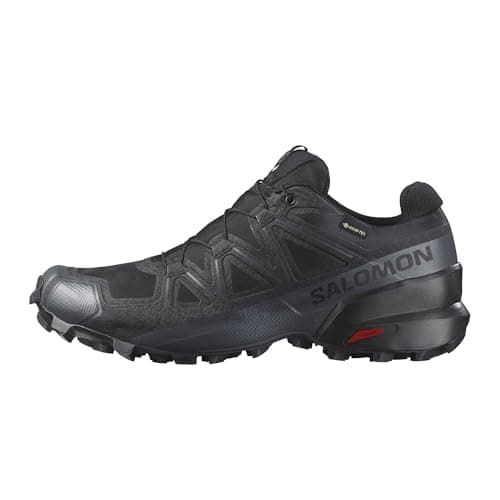
+ Contagrip TA sole has an aggressive lug design that the listing says digs into mud, wet ground or soft snow
From our guide: Best Disc Golf Rain Gear
+ 5 x 5 size gives a large, stable standing surface for footwork
From our guide: Best Disc Golf Putting Mats
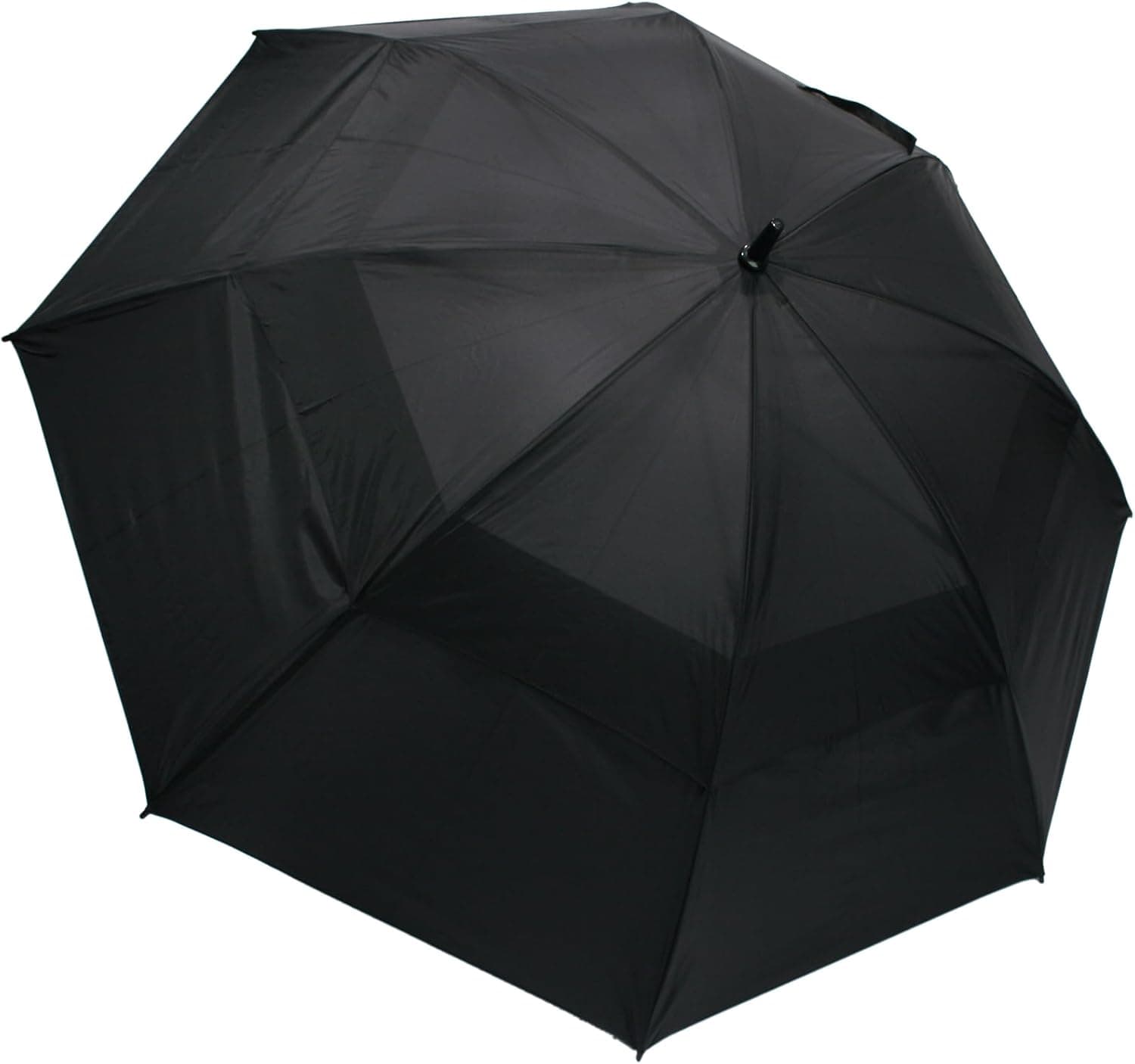
+ 62 Inch canopy covers both player and disc bag
From our guide: Best Disc Golf Rain Gear
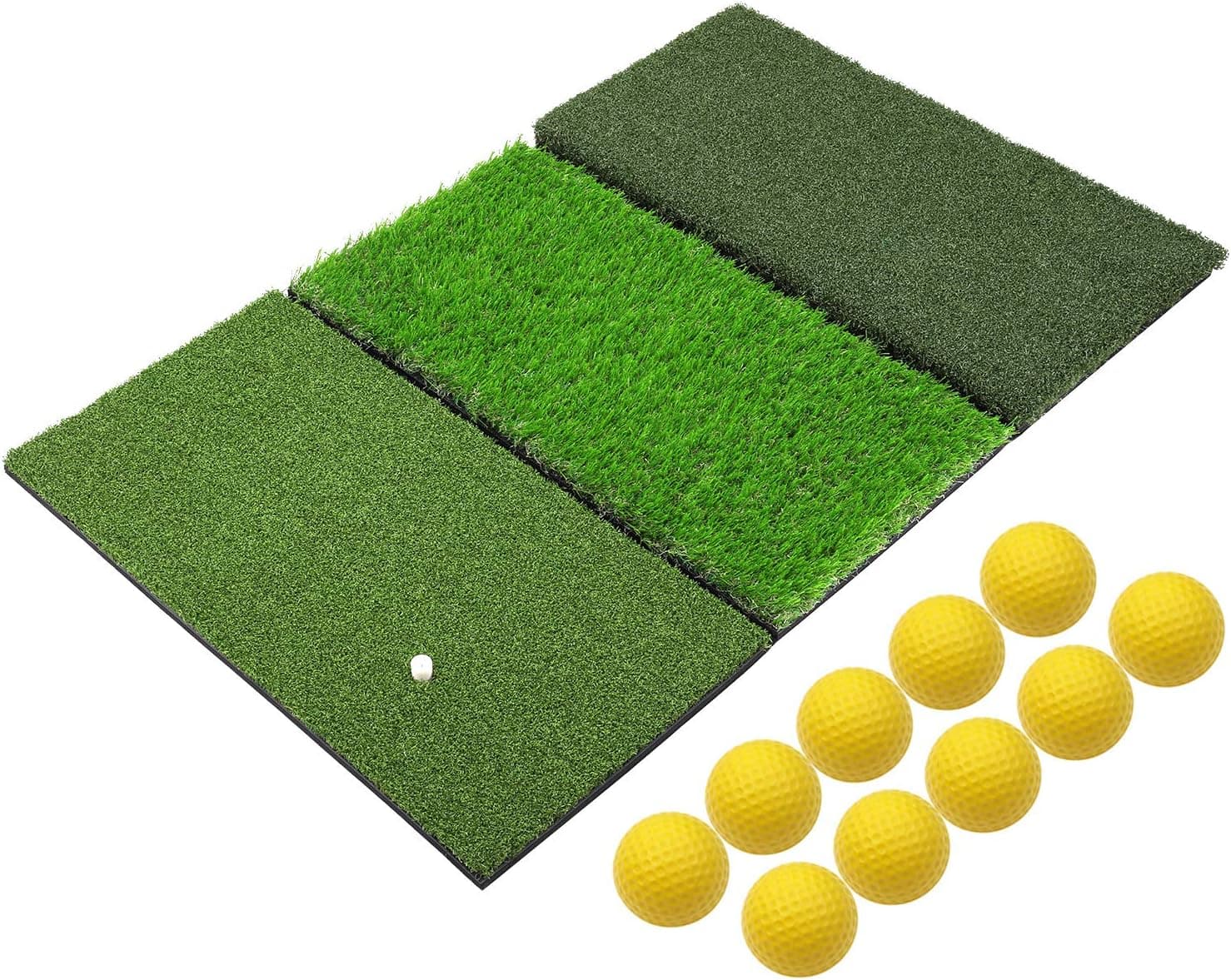
+ 24'' x 37'' XL size gives a roomy stance area for putting practice
From our guide: Best Disc Golf Putting Mats


The most valuable habit is watching the disc all the way down. Most lost discs are lost because nobody saw where they landed, not because they were hidden well. Track the flight to the ground and immediately pick a fixed landmark near the landing spot, ideally a distinctive tree, a stump, or a change in vegetation. Say it out loud to your group. Then walk toward that landmark, not toward where you vaguely think the disc went, because your sense of distance will drift as you walk.
Ask your group to spot for you on blind shots. Someone standing to the side has a much better view of the landing point than the thrower does. On courses with blind landing areas, walk forward and have a playing partner throw once you can see the fairway. This is standard practice and costs almost nothing in time. When a disc is genuinely lost, search systematically rather than randomly. Start at your landmark and walk expanding circles or parallel lines, keeping your eyes moving low and scanning for edges and unnatural colours. Discs often sit vertically in undergrowth or slide under leaf litter, so look for a thin curved edge rather than a full circle. Kicking through leaves with your feet finds discs your eyes will miss entirely.
Remember that discs travel further than you expect after landing. On hard ground, a fast disc can skip an extra twenty or thirty meters, and on a slope it can roll a very long way. If a systematic search near your landmark fails, extend it downhill and downrange rather than repeating the same area. Discs also bounce backwards off trees, so search behind you if the disc hit something.
Colour choice matters. Bright yellow, orange, and pink are far easier to spot in undergrowth than green, brown, blue, or black. Some players buy only high-visibility discs for wooded courses and keep darker colours for open ones. Glow plastic has the additional advantage of being findable with a UV light after dark, which turns a lost disc into a ten minute evening errand.
Write your name and phone number on every disc without exception. The disc golf community returns lost discs at a remarkably high rate, and many players carry found discs for weeks trying to reach owners. Some regions have local groups or online pages dedicated to returning lost plastic. A disc without contact details will simply stay wherever it was found. For water hazards, a retriever pole is a worthwhile investment if your local courses have ponds. They telescope out several meters and pay for themselves after two or three recoveries. Never wade into water you cannot see the bottom of, and never swim for a disc in current or cold conditions. Plastic is replaceable.
Finally, set a time limit and stick to it. The rules for competitive play allow three minutes, and that is a sensible casual guideline too. Spending twenty minutes searching while a group waits behind you sours the round for everyone, and the disc will often be found by the next group anyway. Mark the location, finish your round, and come back later with fresh eyes if it really matters.
Popular right now
- Best Soft Putters for Disc GolfBuying guide
- Best Overstable Drivers for Disc GolfBuying guide
- Disc Golf Weight and Diameter ChartArticle
- Backhand Form BasicsArticle
- Best Fairway Drivers for Disc GolfBuying guide
- Best Understable Drivers for Disc GolfBuying guide
Based on the last 28 days of search and visitor data.