Getting Started With Disc Golf
Published How we research
Disc golf is one of the easiest sports to try and one of the hardest to put down. The rules mirror ball golf: you throw a disc from a tee pad toward a metal basket, then throw again from wherever it landed, and you keep going until the disc comes to rest in the chains or the basket tray. The player with the fewest total throws at the end of the round wins. Most courses are free to play, which means the only real barrier to entry is owning a couple of discs and finding a course near you.
Products from this article
The highest-scoring picks from the buying guides this article links to. Scores are our editorial assessment, not customer ratings.
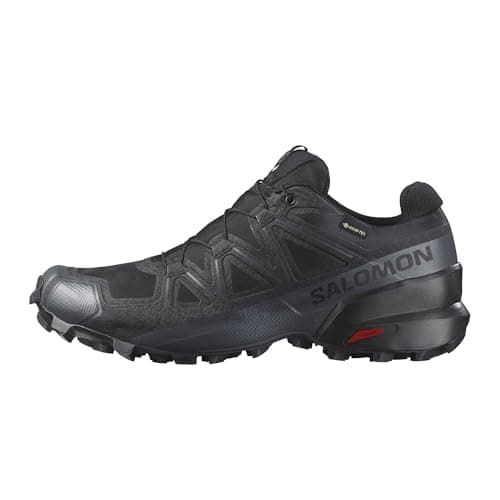
+ Contagrip TA sole has an aggressive lug design that the listing says digs into mud, wet ground or soft snow
From our guide: Best Disc Golf Rain Gear
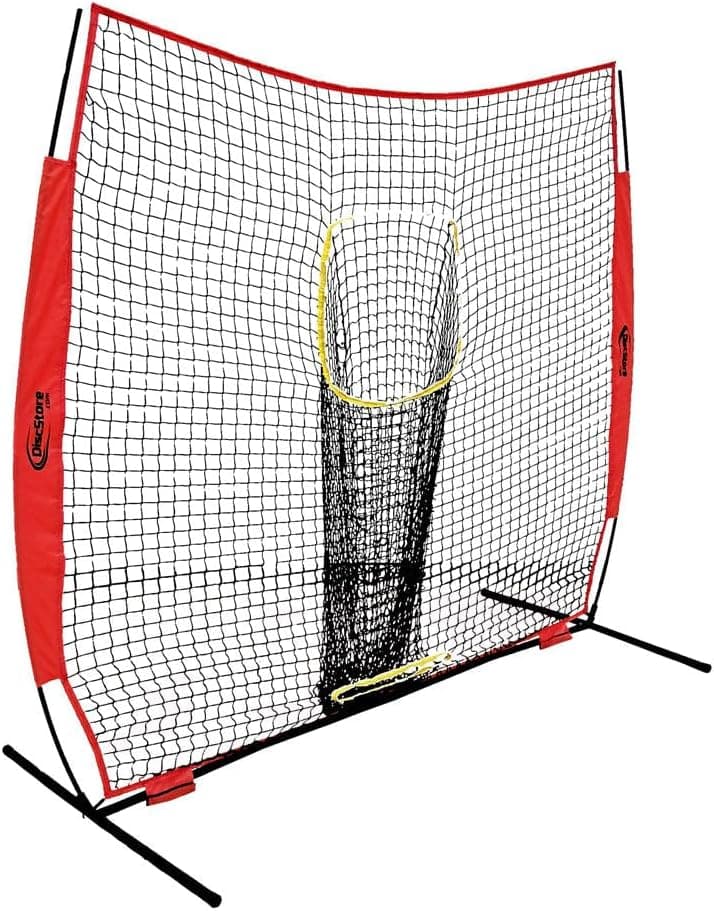
+ 7x7 net catches full-power throws for form practice at home
From our guide: Best Disc Golf Training Aids
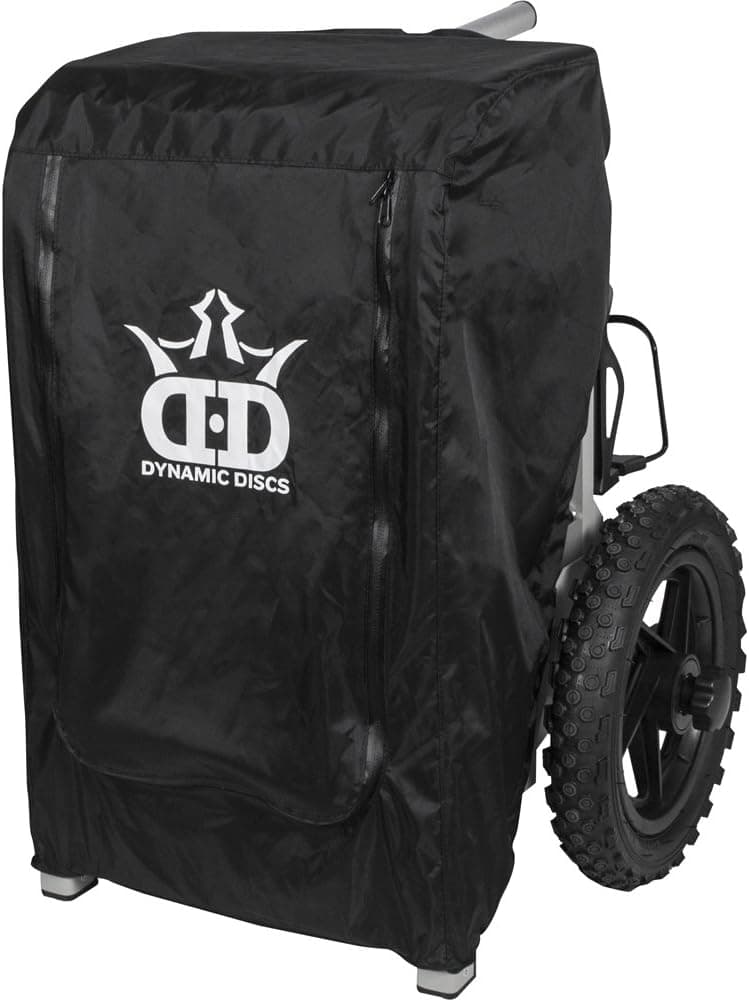
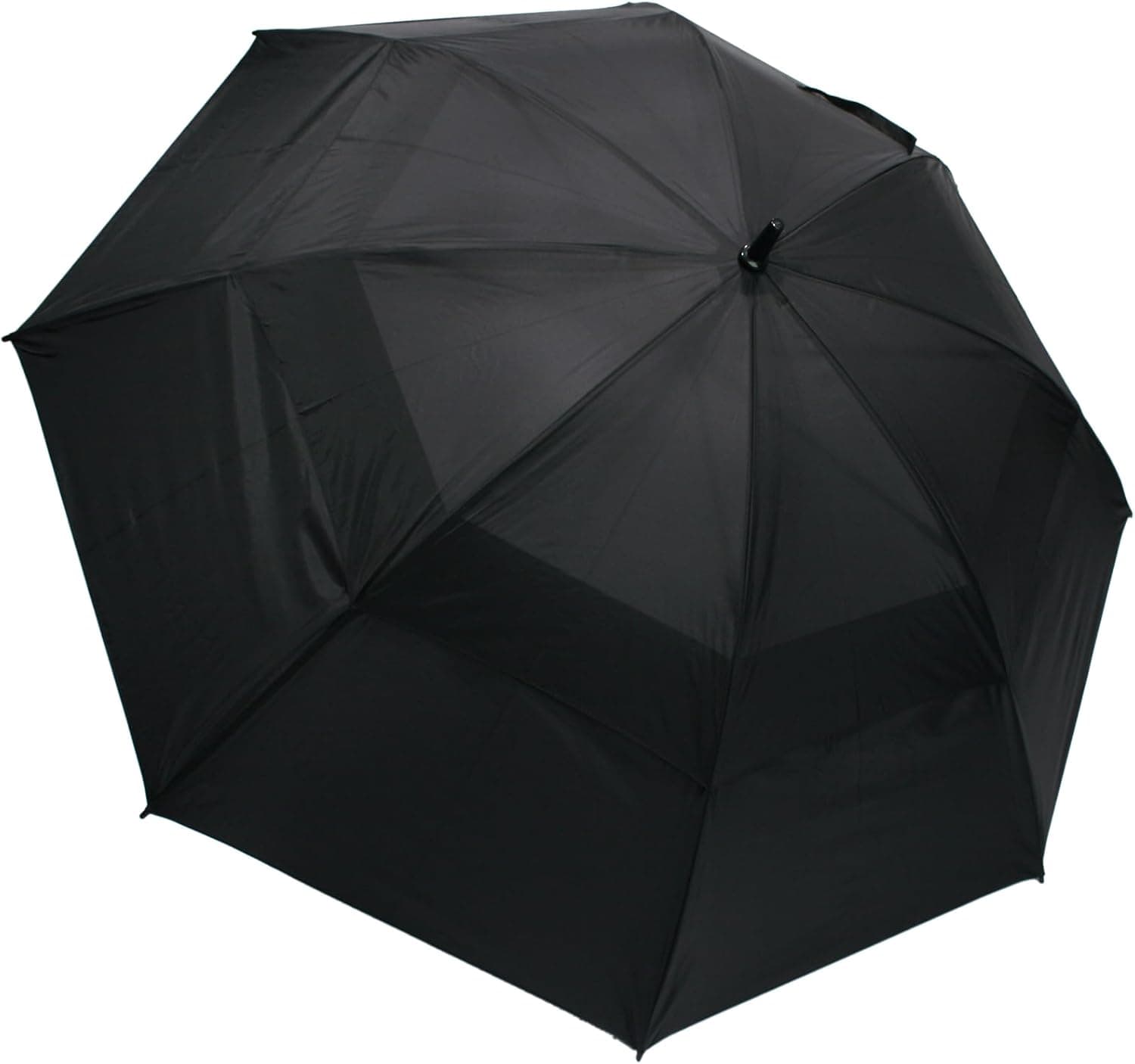
+ 62 Inch canopy covers both player and disc bag
From our guide: Best Disc Golf Rain Gear
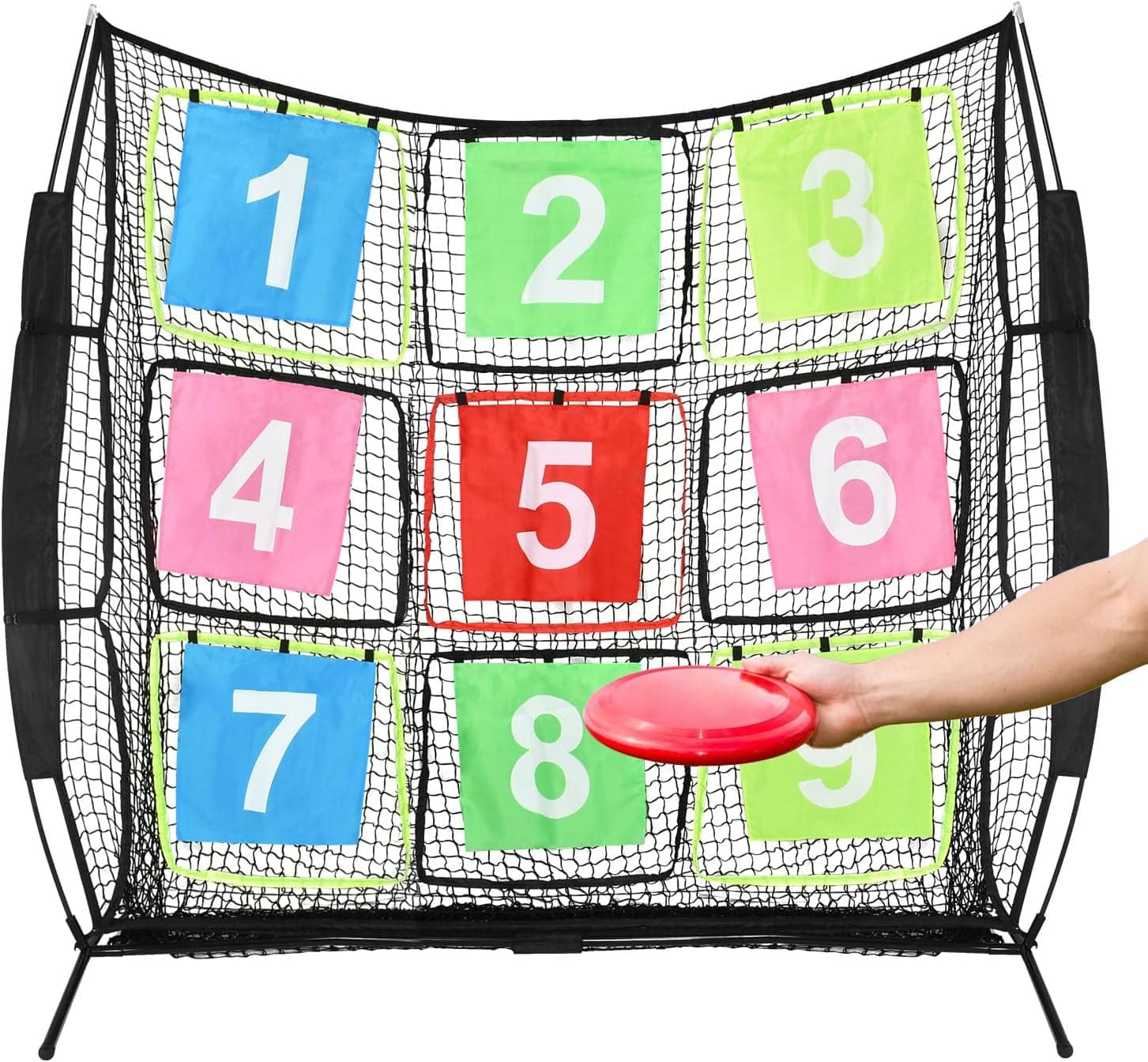
+ 9 targets help you practice accuracy on specific release lines
From our guide: Best Disc Golf Training Aids

You do not need a full bag to start. Two or three discs cover everything a beginner will actually attempt: something to putt with, something to throw a medium distance, and something for the long shots. Buying a nine-disc set on day one usually backfires, because most of those discs will be too fast for your arm speed and will simply dive into the ground to the left of where you aimed. Fewer discs also means fewer decisions on the tee, which speeds up your learning.
Before your first round, look up local courses on a course directory app or map. Pay attention to whether the course is described as wooded or open, and whether it is a par 54 pitch-and-putt or a long championship layout. A short, open course is the friendliest place to learn. Wooded courses punish inaccurate throws with lost discs and long walks, and that is a rough introduction. Go on a weekday morning if you can, when the course is quiet and nobody is waiting behind you.
On the course itself, the flow is simple. Everyone throws from the tee pad, usually with the player who scored best on the previous hole throwing first. After the tee shots, whoever is furthest from the basket throws next. You mark your lie by placing a small marker disc or the thrown disc itself on the ground, then take your next throw with a supporting point behind that spot. Once you are inside about ten meters of the basket, you must keep your balance after releasing the putt before moving toward the target, which is the rule most new players break without realizing it.
Expect your early throws to go left if you are right-handed and throwing backhand. That is not a flaw in your technique alone, it is physics: a disc released with too little speed for its design will fade hard at the end of its flight. The fix is to choose slower, more understable discs rather than to fight the disc with your body. Aim slightly right of your target, let the disc finish left, and you will be surprised how quickly your scores drop.
Bring more than you think you need in the small stuff department. Water, a small towel to dry your hands and discs, and a permanent marker to write your name and phone number on every disc you own. That last item is the difference between losing a disc forever and getting a text message that evening from a stranger who found it in the creek. Sunscreen and comfortable shoes with real tread matter too, since a typical round covers a few kilometers of uneven ground.
Finally, set your expectations correctly. A new player will usually shoot somewhere between fifteen and thirty throws over par on a standard eighteen-hole course, and that is completely normal. Focus on making clean contact, keeping the disc flat, and finishing holes without losing discs. Distance arrives later and it arrives from technique, not from effort. If you leave your first round having thrown one shot that felt effortless and flew straight, you have already got the thing that keeps people coming back.
Popular right now
- Best Soft Putters for Disc GolfBuying guide
- Best Overstable Drivers for Disc GolfBuying guide
- Disc Golf Weight and Diameter ChartArticle
- Backhand Form BasicsArticle
- Best Fairway Drivers for Disc GolfBuying guide
- Best Understable Drivers for Disc GolfBuying guide
Based on the last 28 days of search and visitor data.