Playing Disc Golf in Rain and Cold Without Losing Your Grip
Published How we research
Disc golf does not stop for weather, and in many places the season would be very short if it did. Rain and cold change the game in specific, predictable ways, and a player who prepares for them keeps scoring reasonably while everyone else complains about their grip. The adjustments are mostly about equipment and expectations rather than technique.
Products from this article
The highest-scoring picks from the buying guides this article links to. Scores are our editorial assessment, not customer ratings.
+ Champion plastic is among Innova's toughest, keeping the flight for years
From our guide: Best Premium Plastic Drivers
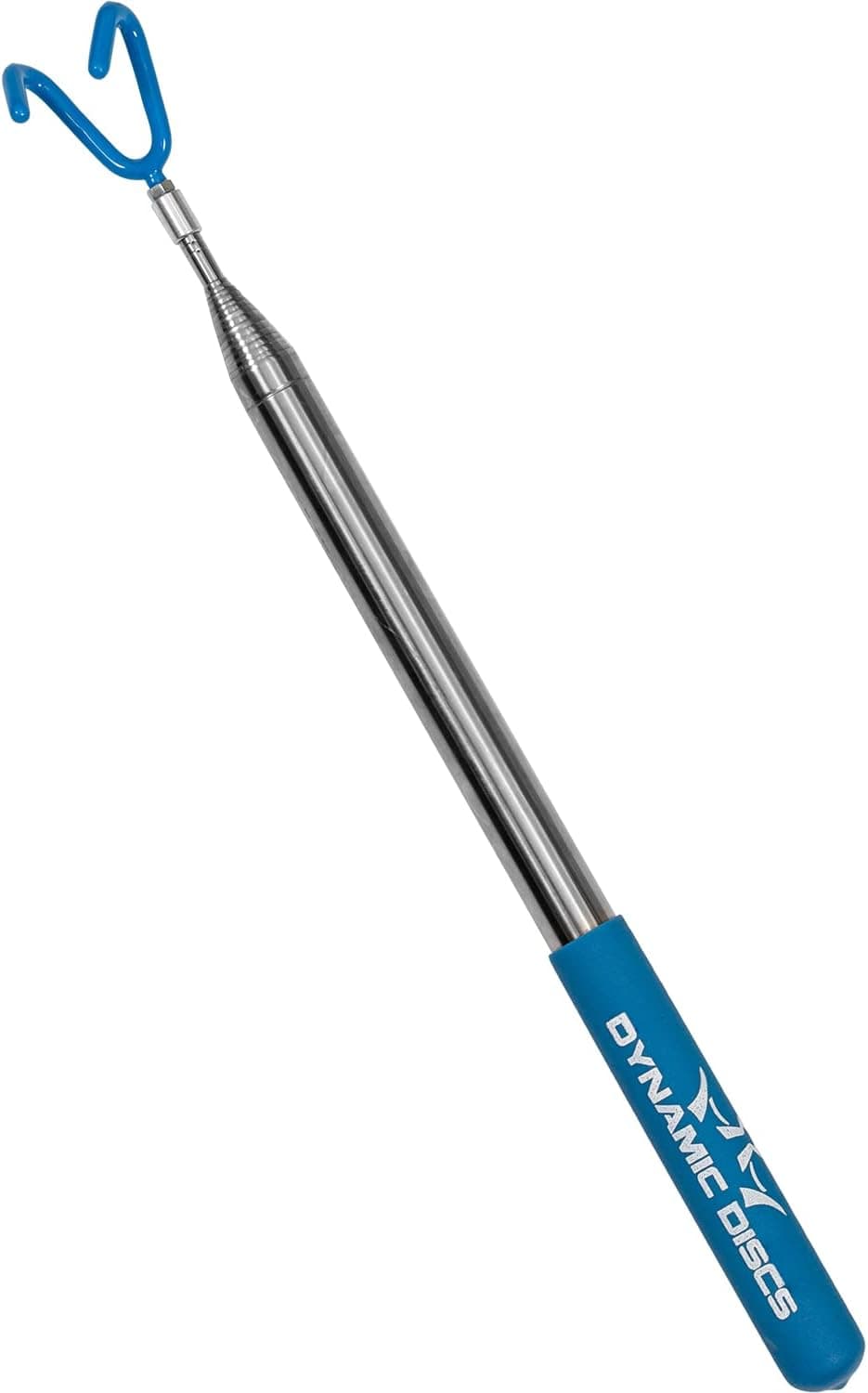
+ 16 ft reach recovers discs from ponds and deep creeks
From our guide: Best Disc Golf Accessories
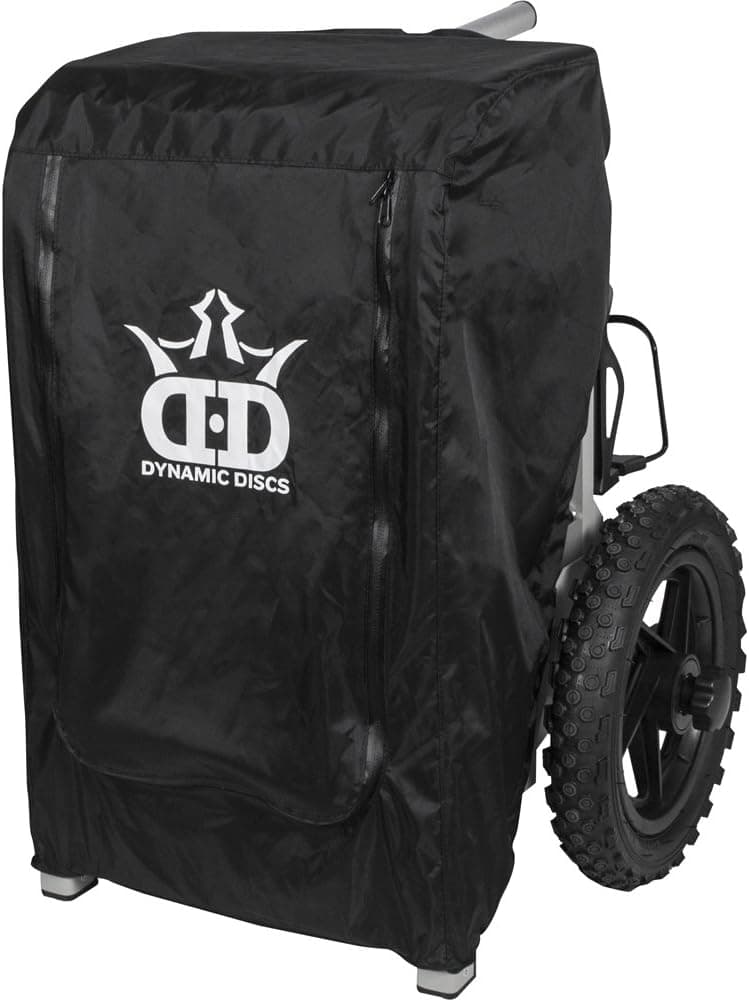
+ Designed to fit the Dynamic Discs backpack cart properly
From our guide: Best Disc Golf Bag Rain Covers
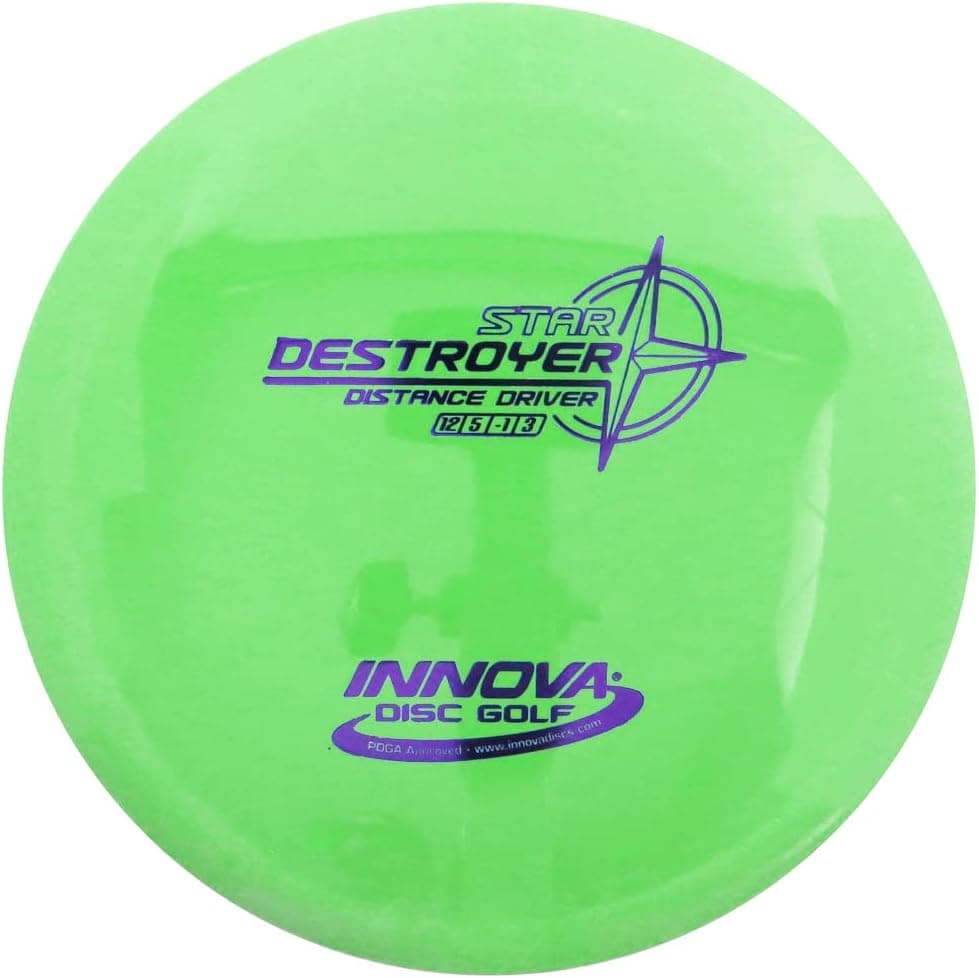
+ Star plastic is grippy and durable, a top premium blend for drivers
From our guide: Best Premium Plastic Drivers

Grip is the central problem in rain. A wet disc slips out of the hand early, producing a wobbly, powerless throw that goes nowhere near the intended line. The solution is a towel system. Carry at least two towels, keep one dry inside a sealed plastic bag or a waterproof pocket, and use it only for drying your hands and the disc immediately before throwing. The second towel handles mud and stays outside the bag. Some players add a small microfiber cloth for the grip surface specifically.
Plastic choice helps too. Grippy baseline and soft blends hold up far better in wet conditions than slick premium plastics, which become genuinely difficult to hold. If you know rain is coming, swap in baseline versions of your main discs. Rubber-blend putters are excellent in the wet, both because they stay in the hand and because they stick in the chains rather than sliding through wet metal.
Expect flight changes in rain. Water on the flight plate adds weight and disturbs airflow, and discs generally fly shorter and fade earlier when wet. Heavy air on damp days has a similar effect. Adjust by clubbing up slightly and by favouring straighter or more understable options than you would use in dry conditions. Wet ground also kills skip, so approach shots that would normally run out will stop dead. That is usually a benefit.
Cold weather is a different set of problems. Plastic stiffens as temperature drops, and stiff discs behave more overstably, fading earlier and flying shorter. Your body also produces less power when cold, compounding the effect. Two adjustments help: carry slightly more understable discs in winter than you would in summer, and warm up much more thoroughly than you think you need to. Cold muscles are both weaker and more prone to strains. Keeping hands warm is the practical challenge in cold rounds. Hand warmers in your pockets, a warm towel, and gloves worn between throws all work. Some players use disc golf gloves for throwing, though most prefer bare hands for grip feel and simply warm their hands between holes. Keep one hand, your throwing hand, warmer than the other if you have to choose.
Layering beats a single heavy coat. A bulky jacket restricts shoulder rotation and will actively shorten your throws. Use a thin thermal base layer, a light insulating mid layer, and a shell that allows movement. Waterproof trousers matter more than most people expect on a course with long wet grass, and proper footwear with tread prevents the slips that cause both bad throws and injuries. Safety deserves a mention. Wet roots, mud on slopes, and frozen ground all make footing unreliable. Shorten your run-up or throw from a standstill when the plant foot area is slick. Also be aware that fingers numb from cold are worse at judging grip pressure, which is how discs get released early and fly into places nobody expected.
Finally, adjust your goals. Scores go up in bad weather for everyone. Aim to keep the round clean rather than to score well: avoid out of bounds, take safer lines, use putters more, and treat a par as a very good result. Rounds played in poor conditions build skills that pay off later, because a player comfortable with a wet putter in a headwind has one less thing to worry about on a calm summer day.
Popular right now
- Best Soft Putters for Disc GolfBuying guide
- Best Overstable Drivers for Disc GolfBuying guide
- Disc Golf Weight and Diameter ChartArticle
- Backhand Form BasicsArticle
- Best Fairway Drivers for Disc GolfBuying guide
- Best Understable Drivers for Disc GolfBuying guide
Based on the last 28 days of search and visitor data.