Playing Your First Disc Golf Tournament
Published How we research
Competitive disc golf is far more accessible than most new players assume. Local tournaments and leagues welcome beginners, divisions exist specifically for players with no experience, and the atmosphere at a small event is closer to a social gathering than to a serious sporting contest. If you have played twenty or thirty casual rounds and can finish a course without losing discs constantly, you are ready.
Products from this article
The highest-scoring picks from the buying guides this article links to. Scores are our editorial assessment, not customer ratings.
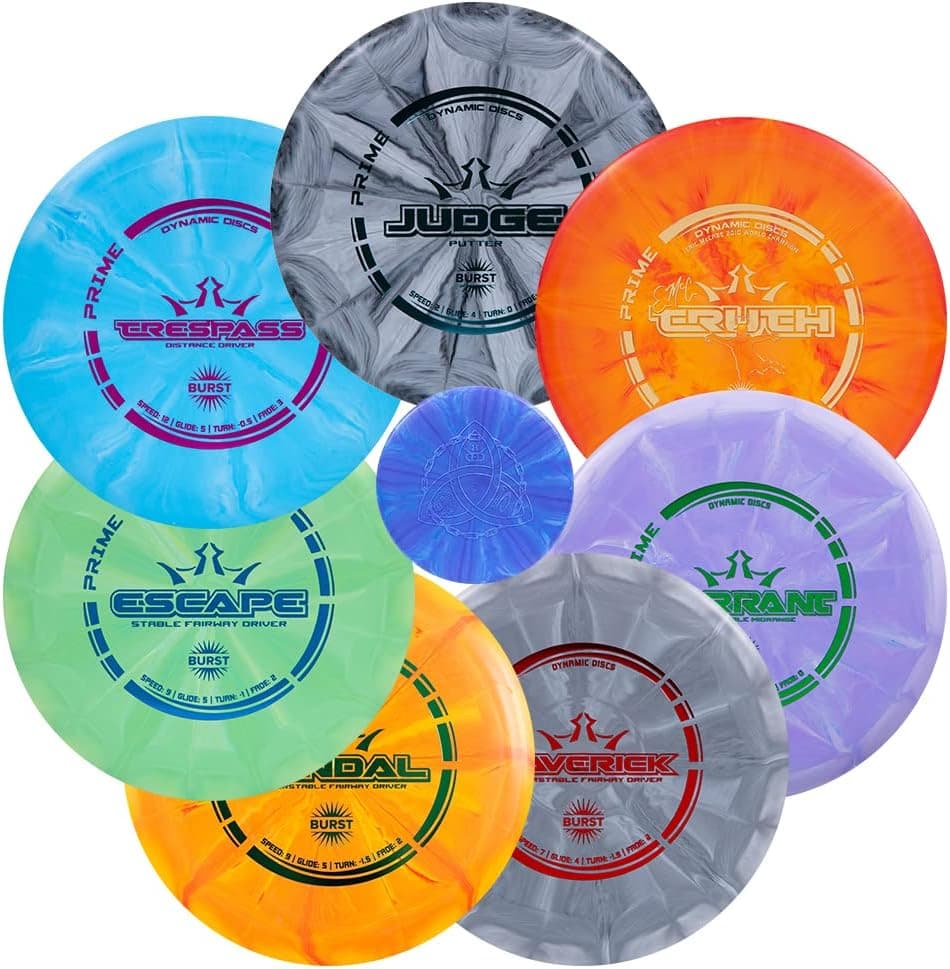
+ 3X fairway drivers give real shot-shaping options for competitive rounds
From our guide: Best Tournament Disc Packs
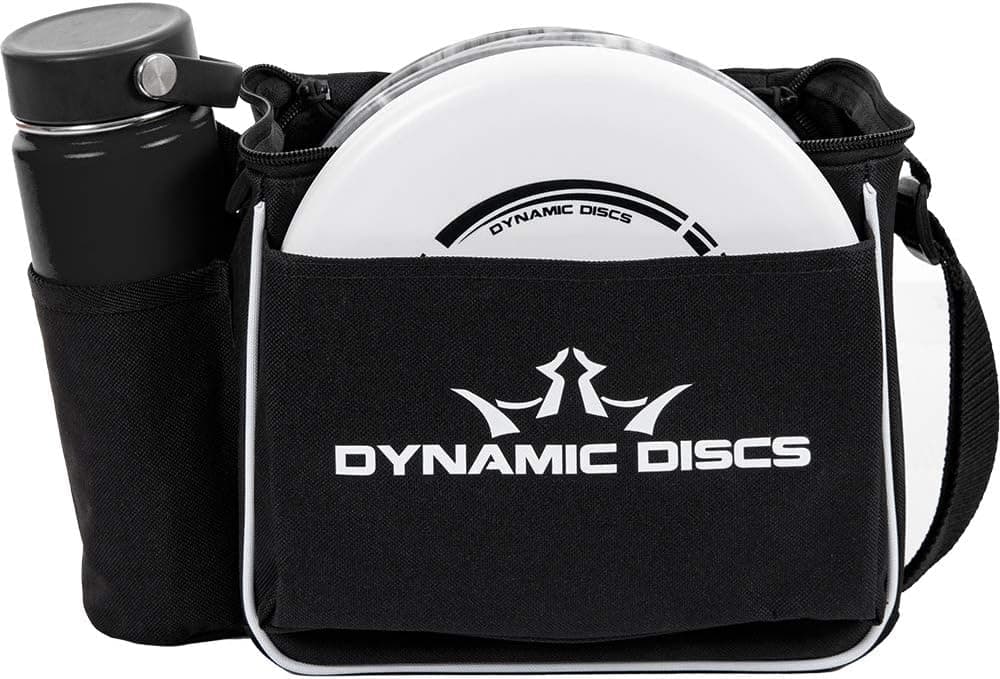
+ 10-12 disc capacity is ideal for beginners and light bags
From our guide: Best Disc Golf Shoulder Bags
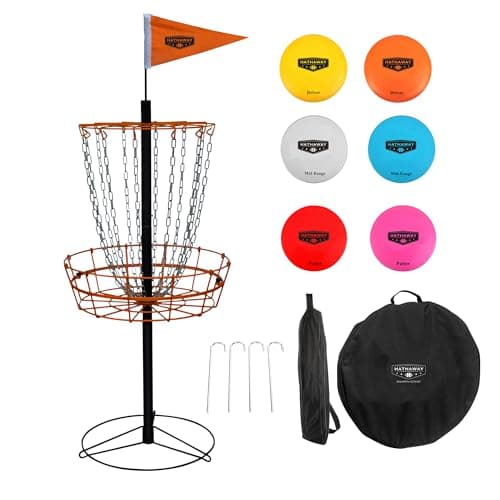
+ Includes a steel basket, six color-coded weighted discs, 12 chains, ground anchors, a flag and a carry bag.
From our guide: Best Kids Disc Golf Sets
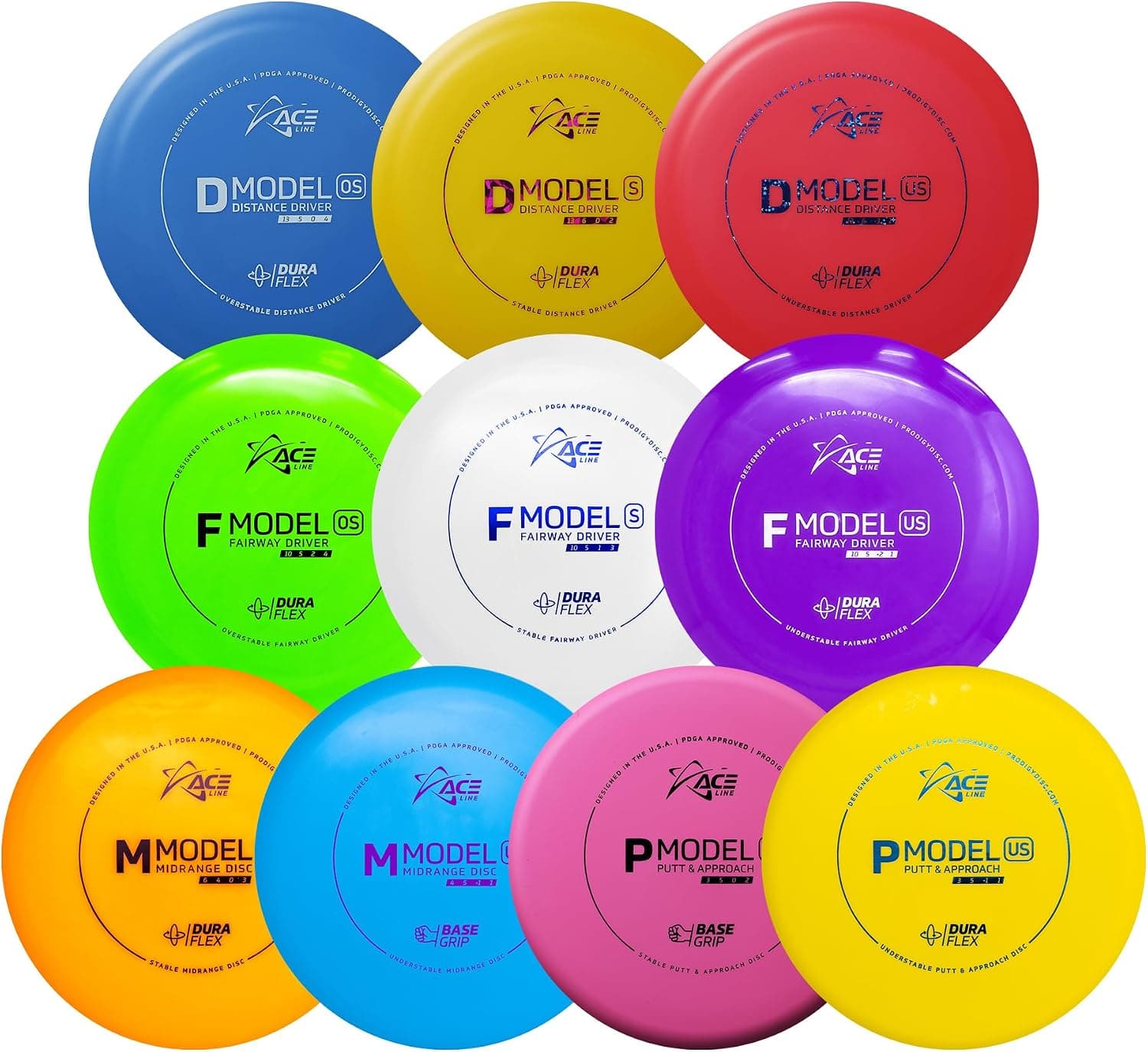
+ 3 fairways and 3 drivers give real range across tee shot needs
From our guide: Best Tournament Disc Packs
Start with registration. Most events are listed on regional or national disc golf organization sites and fill through an online registration system. Read the event page carefully for the entry fee, the start time, the format, and whether membership in an organization is required. Many local events are unsanctioned and require nothing but showing up with the entry fee. Sanctioned events usually require a current membership, which you can buy online in a few minutes.
Divisions exist so you compete against players of similar ability. Beginner or novice divisions are the right choice for a first event, and there is no shame in entering the lowest division available. Playing up into a division above your level means an entire day of watching other players hit lines you cannot reach, which is not a useful learning experience. Rating systems exist to guide this choice, and if you have no rating, ask the organizer where to enter.
On tournament day, arrive early. Check-in usually closes thirty to sixty minutes before the first tee time, and there is a players meeting where the organizer explains local rules, out of bounds definitions, mandatories, and any course changes. Listen to this even if you know the course, because tournament out of bounds lines often differ from casual play.
The format for most events is a shotgun start, where every group begins simultaneously on a different hole. You will be assigned a starting hole and a card of three or four players. Scoring is usually done by two people in the group, one on a phone app and one on paper, and totals are compared after each hole. Do not score only your own throws. Everyone on the card is responsible for confirming the group's scores.
Expect the pace to be slower than a casual round. Rounds take three to four hours, and there is waiting. Bring enough water, food, sunscreen, and layers for a full day outdoors. Bring more than you think you need, since leaving the course to fetch something is usually impossible mid-round. Rules are enforced more strictly than in casual play, which surprises many first-timers. Foot faults on the lie, falling putts inside ten meters, and out of bounds procedures all matter. Nobody expects perfection from a novice, and the standard practice is for a playing partner to point out an issue politely rather than to call a penalty immediately. If you are unsure about a ruling, ask your group before throwing, not after.
The biggest adjustment is mental. Nerves on the first tee are universal and they make people throw badly. The remedy is routine: use the same pre-throw process you use at home, choose conservative lines early, and give yourself permission to play a boring, safe round. Most first tournaments are won and lost through avoidable disasters rather than through missing birdies. Afterward, stick around for the results and prizes if you can. Local events often hand out modest payouts, player packs, or store credit, and the post-round conversation is where you meet the people you will play with for years. Whatever you score, you will have learned more about your own game in one competitive round than in a month of casual play.
Popular right now
- Best Soft Putters for Disc GolfBuying guide
- Best Overstable Drivers for Disc GolfBuying guide
- Disc Golf Weight and Diameter ChartArticle
- Backhand Form BasicsArticle
- Best Fairway Drivers for Disc GolfBuying guide
- Best Understable Drivers for Disc GolfBuying guide
Based on the last 28 days of search and visitor data.