Putting Practice at Home
Published How we research
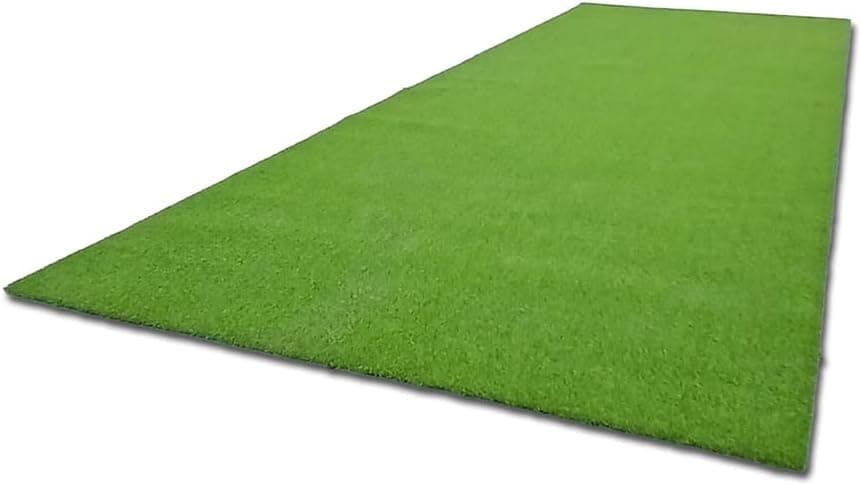
Putting is the only part of disc golf you can genuinely practice at home, which makes it the highest-return use of your practice time. Ten focused minutes a day for a month will change your scores more than a dozen field sessions with drivers. The setup does not need to be elaborate, and the drills do not need to be long.
Products from this article
The highest-scoring picks from the buying guides this article links to. Scores are our editorial assessment, not customer ratings.
+ 5-Pack of Judges builds a real practice stack in one purchase
From our guide: Best Home Disc Golf Putting Setup
+ 2 quick pop-up baskets set up in seconds for a mini yard course
From our guide: Best Backyard Disc Golf Course Kits
+ 2pcs baskets let you create a mini course or do two-sided putting
From our guide: Best Disc Golf Target Kits
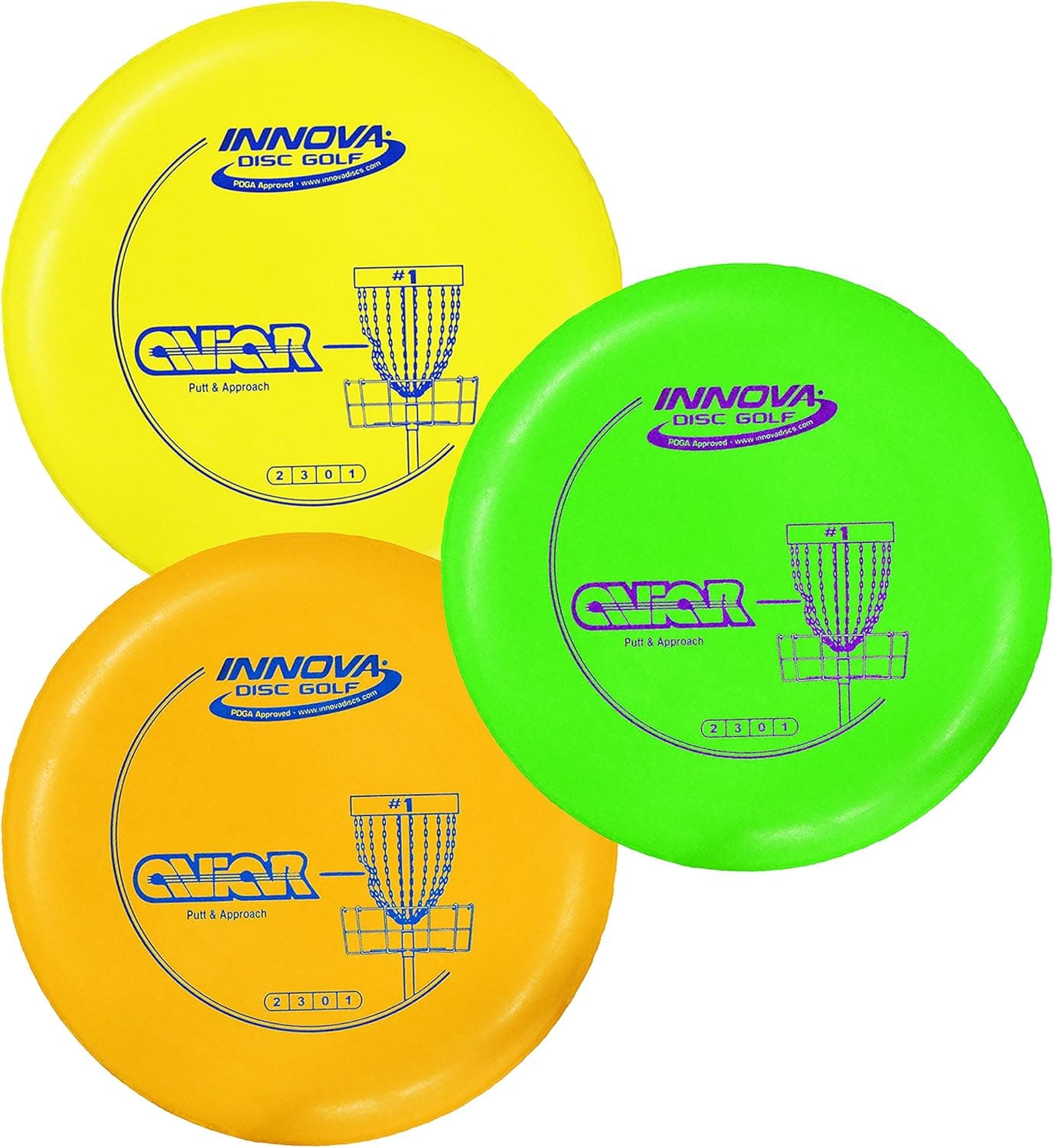
+ Pack of 3 identical Aviars makes putting practice consistent
From our guide: Best Home Disc Golf Putting Setup
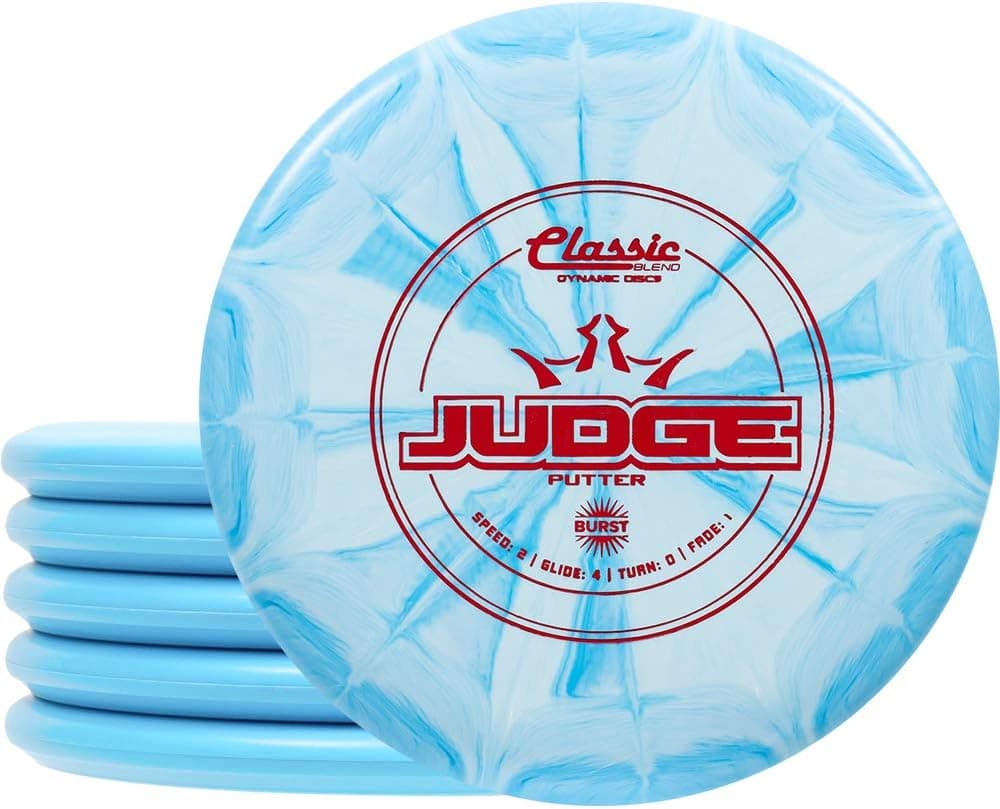
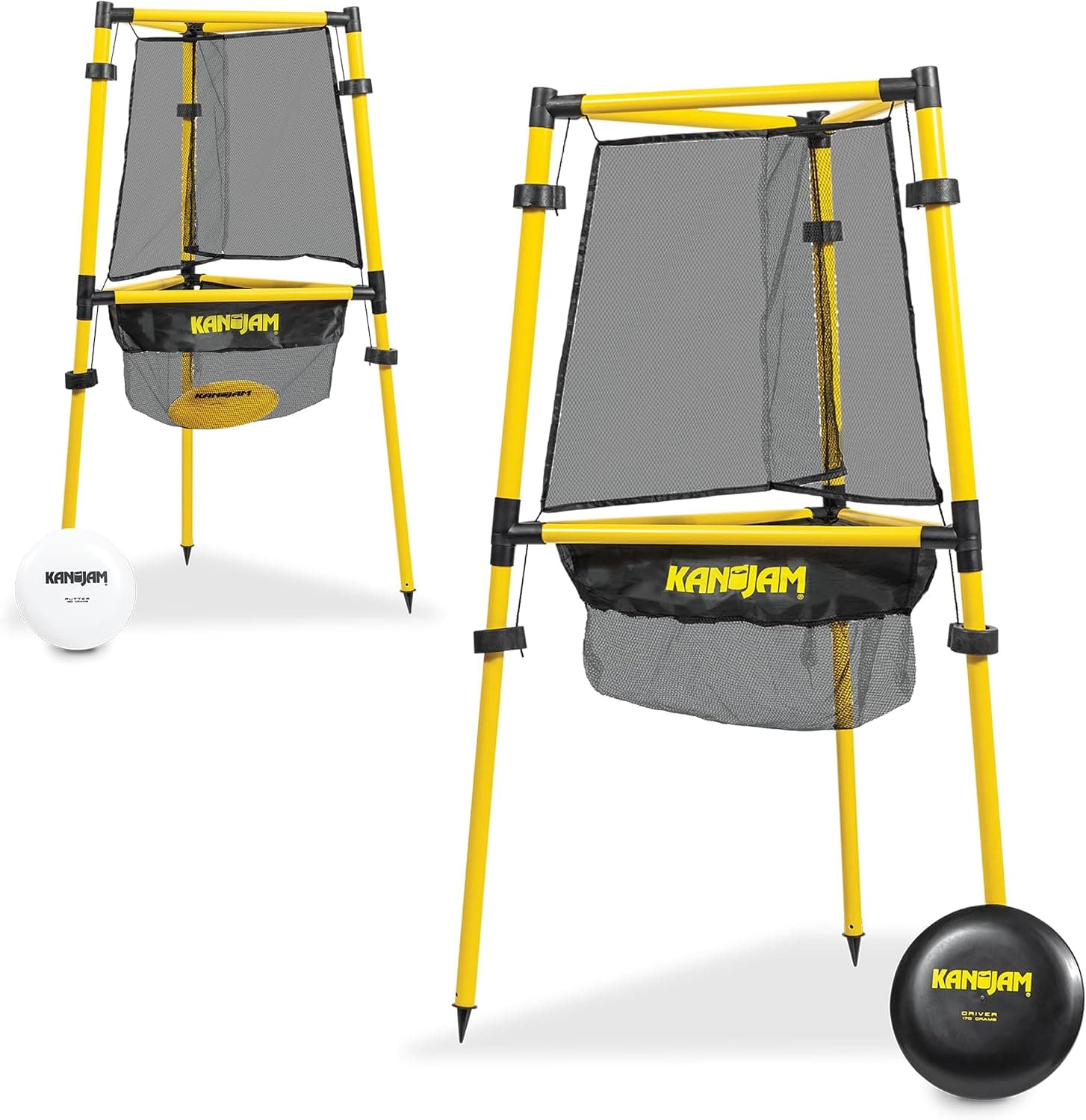
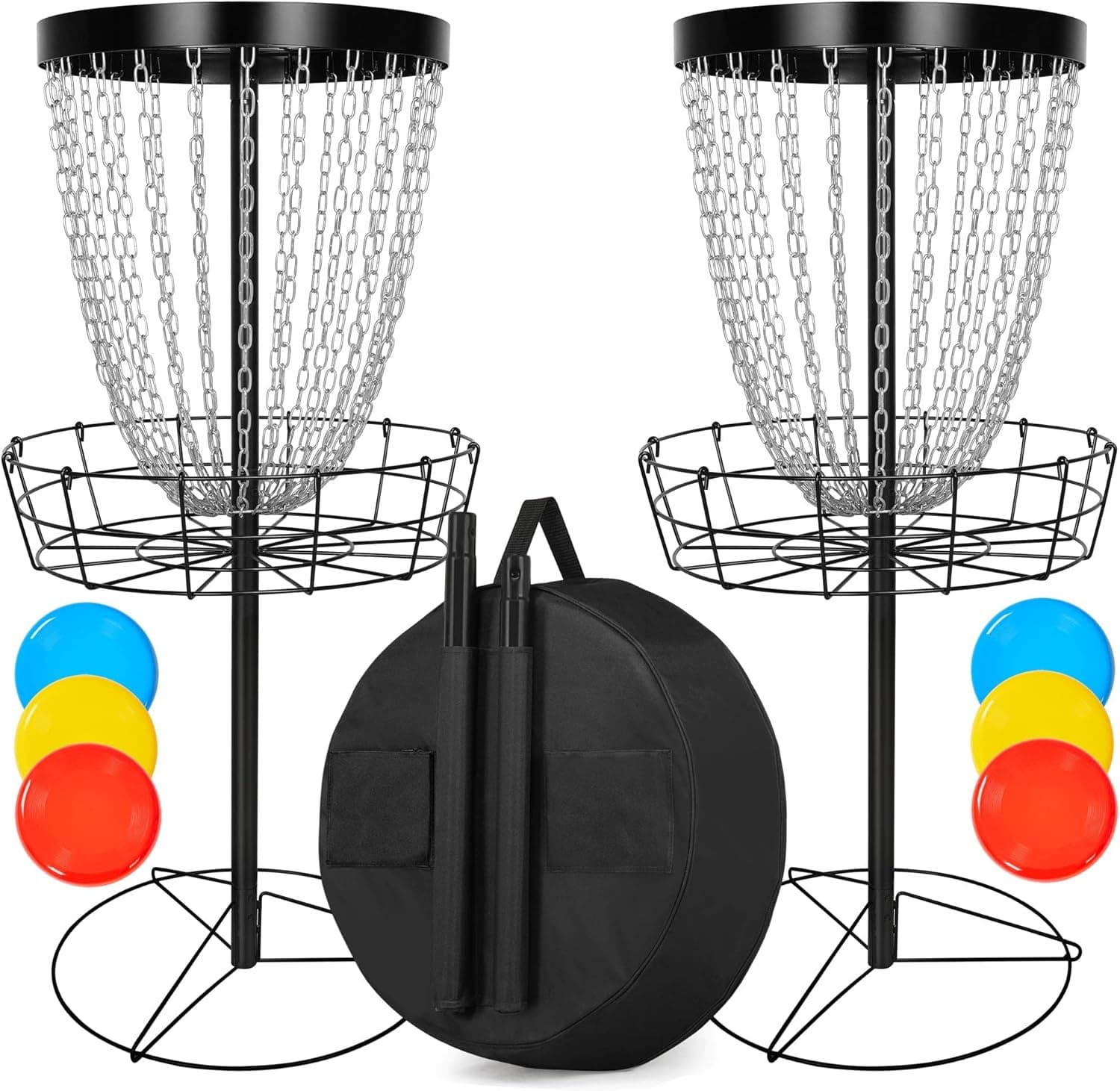
The ideal home setup is a real basket in a garage, basement, or garden. If space or budget rules that out, alternatives work surprisingly well. A laundry basket, a cardboard box on its side, or a marked spot on a wall all give you a target to aim at, and aiming at a specific point is most of what putting practice teaches. A blanket or old duvet hung behind the target catches discs indoors and keeps the neighbours happy. Ten to twelve putters lets you throw a full station without walking back and forth constantly.
Start every session with a calibration drill. Stand at your comfortable range, usually around six or seven meters, and putt your full stack. The goal is not to make them all, it is to make them all identically. Watch where the misses go. Consistent misses low mean you need more leg drive. Consistent misses right or left mean your aim point or your release angle is off. Random misses in all directions mean your stroke is not repeating yet, and you should shorten the distance until it does.
The circle drill builds range awareness. Mark three distances, for example five, seven, and nine meters, and putt five discs from each without changing your routine. Score yourself and write the number down. Tracking makes progress visible and keeps sessions honest, because it is very easy to convince yourself you are putting well when you are only counting the good ones.
A pressure drill is essential because home practice is comfortable and course putting is not. Set a rule: you cannot finish the session until you make five in a row from seven meters. Suddenly the fourth putt in a row feels different, and that feeling is a small dose of what a real putt on the last hole feels like. Adding a small consequence, like restarting the count, is enough to create genuine pressure without needing anyone else present.
For limited space, a short-range drill still helps. From two or three meters, putt with your eyes on the chain link you are aiming at and focus entirely on release quality. This is not about difficulty, it is about grooving a clean motion. Many top players spend a large share of practice inside five meters for exactly this reason.
Vary your stances during practice sessions rather than only ever putting from the same comfortable position. On a course you will regularly putt from a straddle, on a slope, or with one foot on a root. Spend a few minutes each session in an awkward stance so that awkward stances are not new experiences during a round. A final piece of advice: end every session on a make. It sounds trivial, but the last repetition is the one your body remembers most clearly, and finishing on a miss trains frustration. Keep sessions short, keep them consistent, and treat putting practice as maintenance rather than as a project you complete once.
Popular right now
- Best Soft Putters for Disc GolfBuying guide
- Best Overstable Drivers for Disc GolfBuying guide
- Disc Golf Weight and Diameter ChartArticle
- Backhand Form BasicsArticle
- Best Fairway Drivers for Disc GolfBuying guide
- Best Understable Drivers for Disc GolfBuying guide
Based on the last 28 days of search and visitor data.