Approach Shots and Scrambling
Published How we research
Approach shots are the least glamorous and most valuable part of disc golf. The stretch between forty and eighty meters is where most strokes are gained and lost, because it is the range where an aggressive shot can leave a tap-in birdie and a careless one can leave you further away than you started. Players who score well are almost always good at this range, even when their drives are unremarkable.
Products from this article
The highest-scoring picks from the buying guides this article links to. Scores are our editorial assessment, not customer ratings.
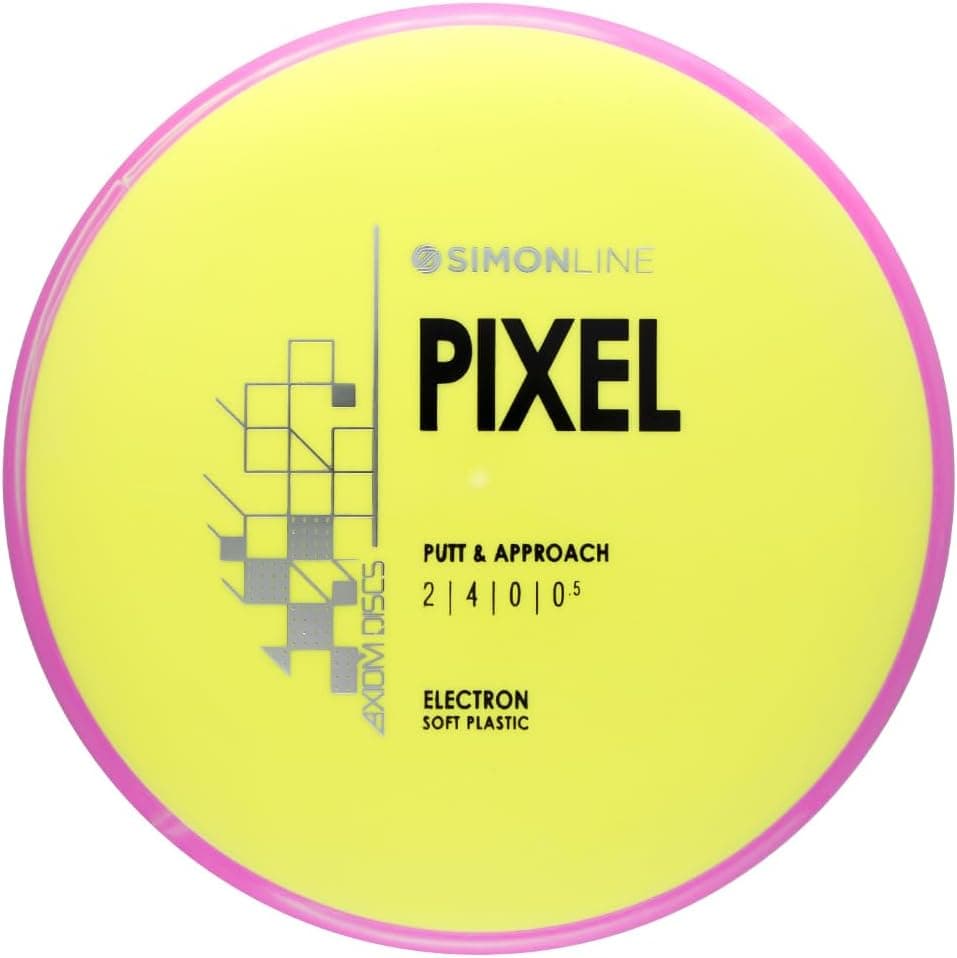
+ Pixel has a neutral, straight flight built mainly for confident putting
From our guide: Best Disc Golf Putters
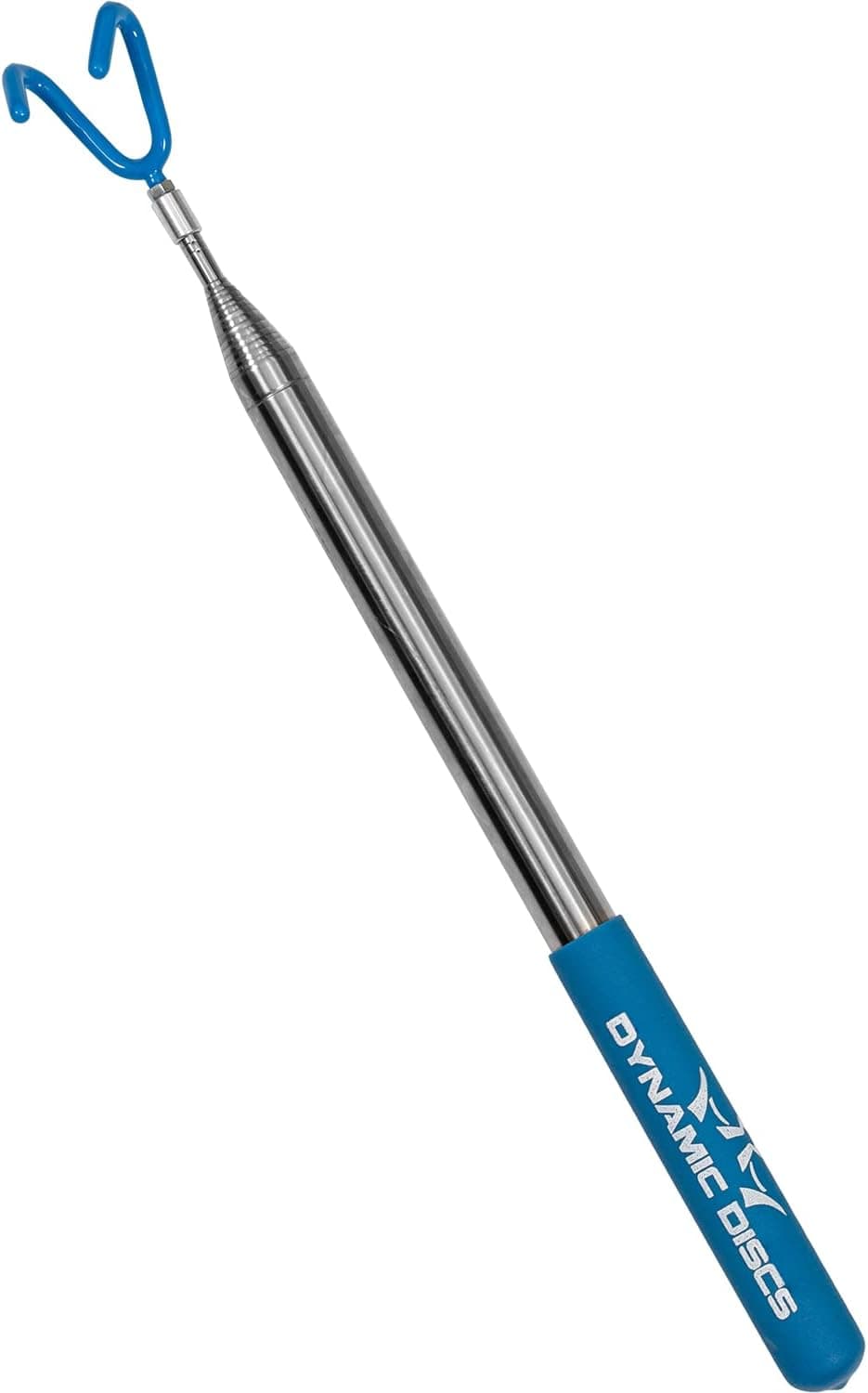
+ 16 ft reach recovers discs from ponds and deep creeks
From our guide: Best Disc Golf Accessories
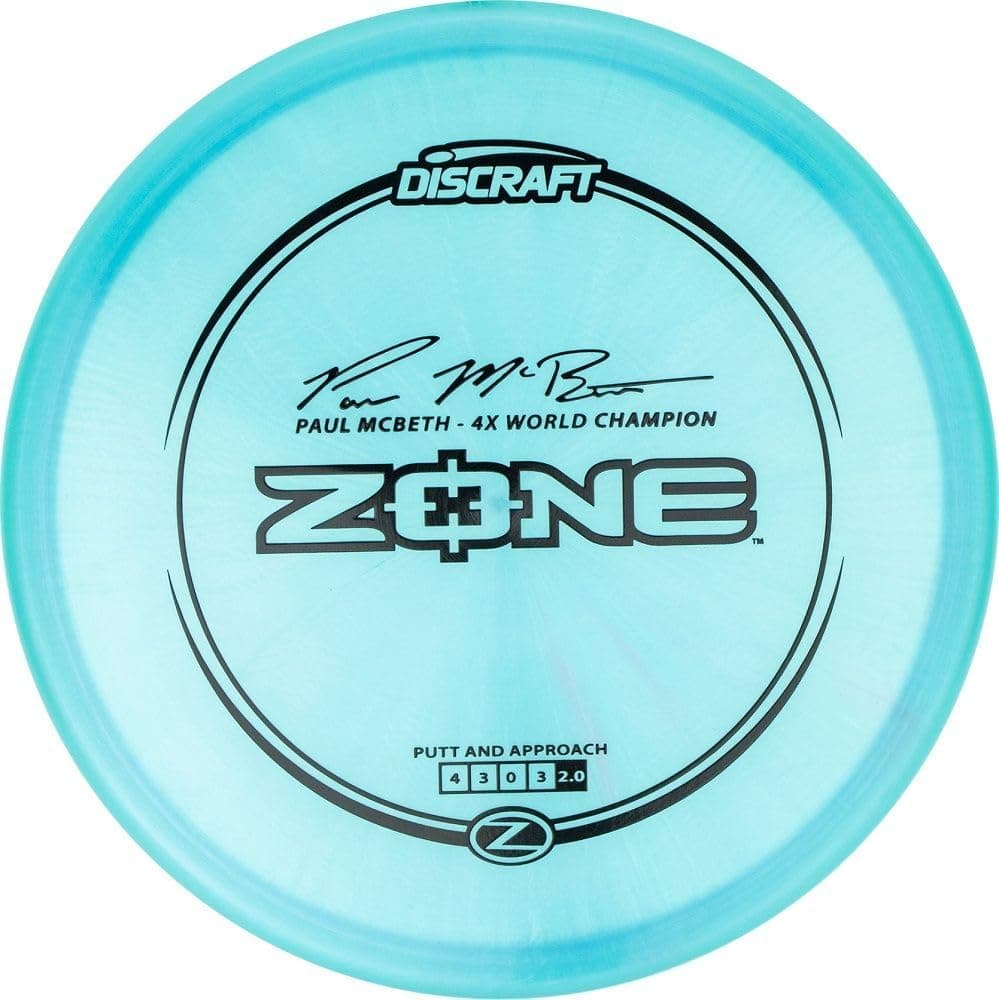
+ Zone's overstable flight handles forehand and backhand upshots with fade
From our guide: Best Approach Discs for Disc Golf
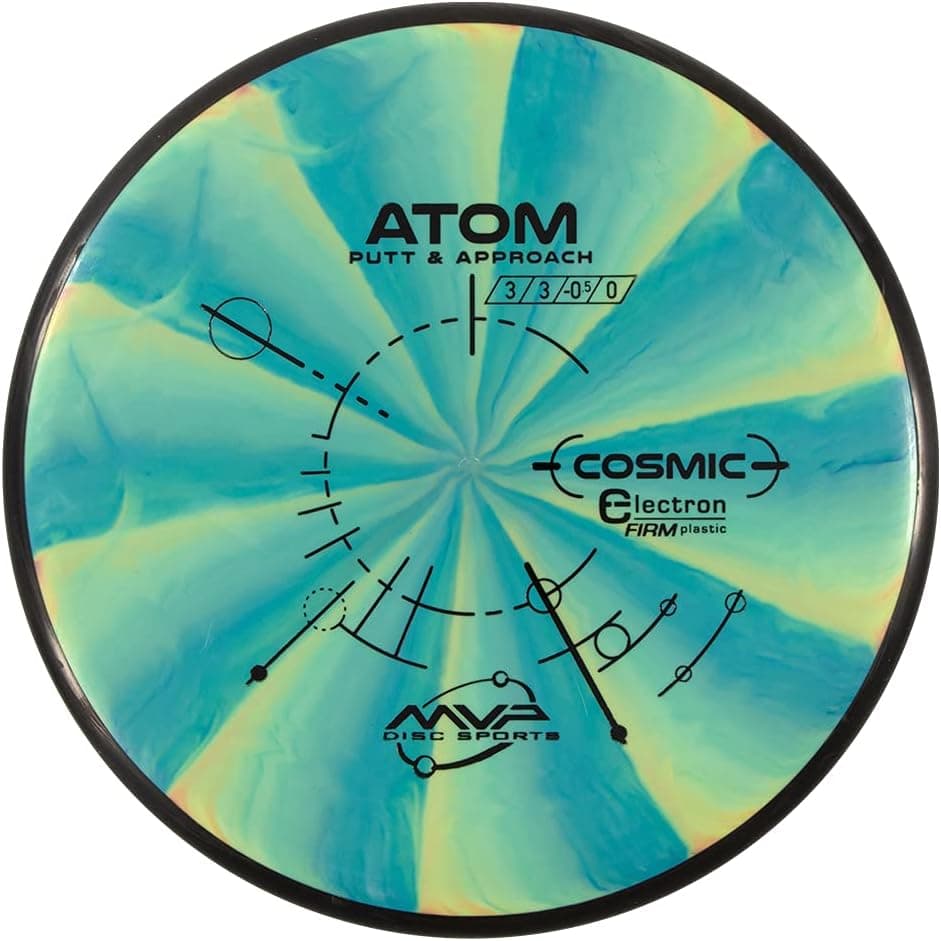
+ Atom has a neutral flight that suits both putting and short upshots
From our guide: Best Disc Golf Putters

The first principle is that the goal of an approach shot is usually not to hole out. It is to leave yourself an easy putt. Aiming to land the disc directly under the basket rather than in the chains produces better average results, because a disc that lands short and centered is always a simple next throw, whereas an aggressive shot that misses can skip well past. Playing for a comfortable putt sounds passive but it lowers scores.
Disc selection for approaches should default to putters and midranges. A putter thrown at approach range flies slowly, lands softly, and does not skip far, which keeps your next throw short. A midrange gives you more reach with slightly less control. Reaching for a fairway driver on a fifty meter approach is almost always a mistake, since the extra speed turns small errors into large ones and the disc skips much further on landing.
Learn a few distinct approach shapes rather than one. A flat throw that lands and stays is your bread and butter. A hyzer approach, released with the outer edge tilted down, drops steeply and stops fast, which is ideal on downhill lies or when there is trouble long. A turnover approach curves right for a right-handed backhand and gets around obstacles. A simple overhand throw, thumber or tomahawk, comes down almost vertically and is invaluable when you are blocked in all directions.
Scrambling is the art of recovering when your drive ends up somewhere it should not be. The most important scrambling skill is not a fancy shot, it is judgment. Look at your lie honestly and decide whether the hole can still be saved or whether the correct play is to get back to the fairway with a low-risk throw. Attempting a hero shot through a two meter gap and hitting a tree turns a likely bogey into a likely double bogey. Professionals take the safe out far more often than highlight reels suggest.
When you must throw from a difficult stance, simplify everything. Use a putter, shorten your motion, and prioritize getting the disc into open space over covering distance. Kneeling throws, forehand rollers, and low tunnel shots all become easier when you accept a shorter result. Also check your footing before you throw. Slipping on a wet root mid-throw both wrecks the shot and risks injury.
Wind changes approach play more than it changes driving. A headwind will make an approach disc lift, stall, and land short, so throw with the nose down and use a more stable disc. A tailwind will carry a disc long past the basket, so club down and expect extra skip. In crosswinds, favour a hyzer angle that fights the wind rather than a flat throw that will be pushed sideways. Practising approaches is simple and effective. Take five putters to an open area with a target, set up at forty, sixty, and eighty meters, and throw sets from each. Score by how many land within a putt's distance, not by how many hit the target. That metric reflects how approach shots actually affect your scorecard.
Popular right now
- Best Soft Putters for Disc GolfBuying guide
- Best Overstable Drivers for Disc GolfBuying guide
- Disc Golf Weight and Diameter ChartArticle
- Backhand Form BasicsArticle
- Best Fairway Drivers for Disc GolfBuying guide
- Best Understable Drivers for Disc GolfBuying guide
Based on the last 28 days of search and visitor data.