Building Your First Three-Disc Bag That Actually Works
Published How we research
The three-disc bag is the most repeated piece of advice in disc golf, and it is repeated because it works. A putter, a midrange, and a fairway driver cover the full range of shots on almost any course, and limiting yourself to three discs forces you to learn what each one does at different power levels. That knowledge transfers to every disc you buy later. A player who knows their midrange inside out will always outscore a player who owns twenty discs and understands none of them.
Products from this article
The highest-scoring picks from the buying guides this article links to. Scores are our editorial assessment, not customer ratings.
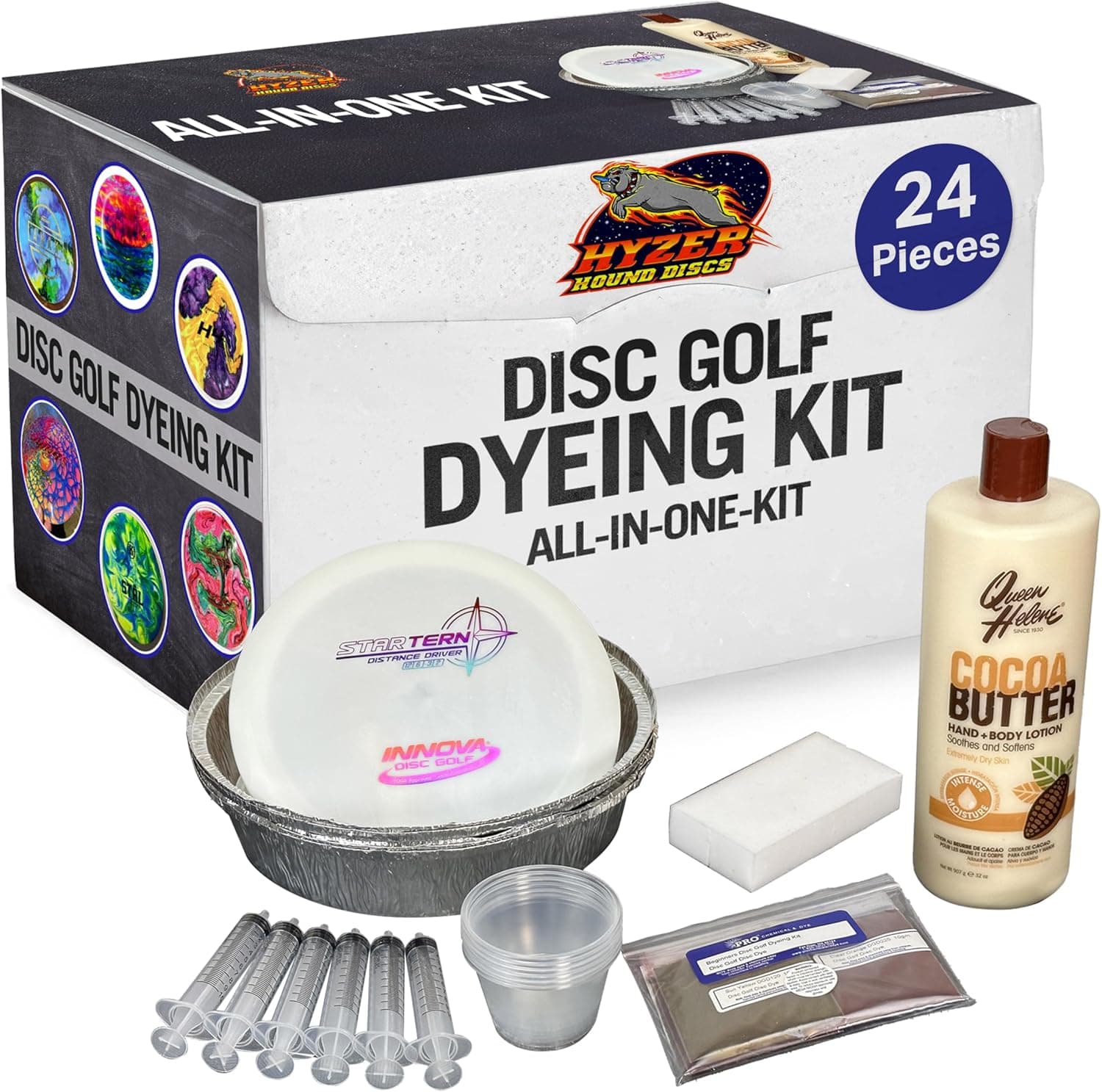
+ White disc included, so you can start dyeing right away
From our guide: Best Disc Golf Stamps and Dyes
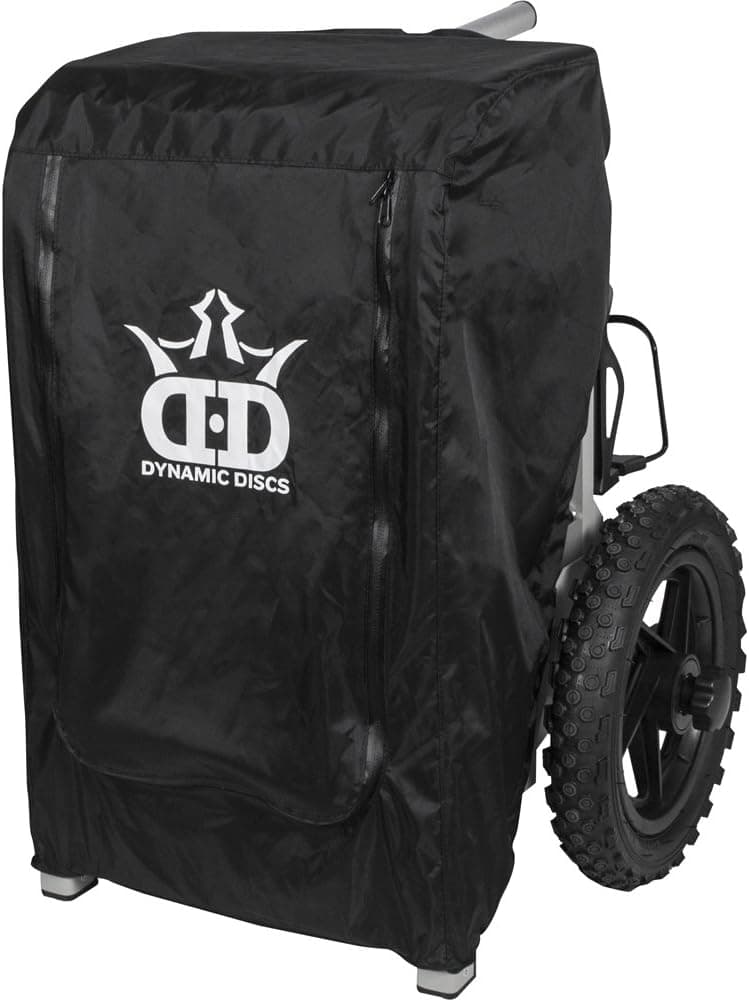
+ Designed to fit the Dynamic Discs backpack cart properly
From our guide: Best Disc Golf Bag Rain Covers
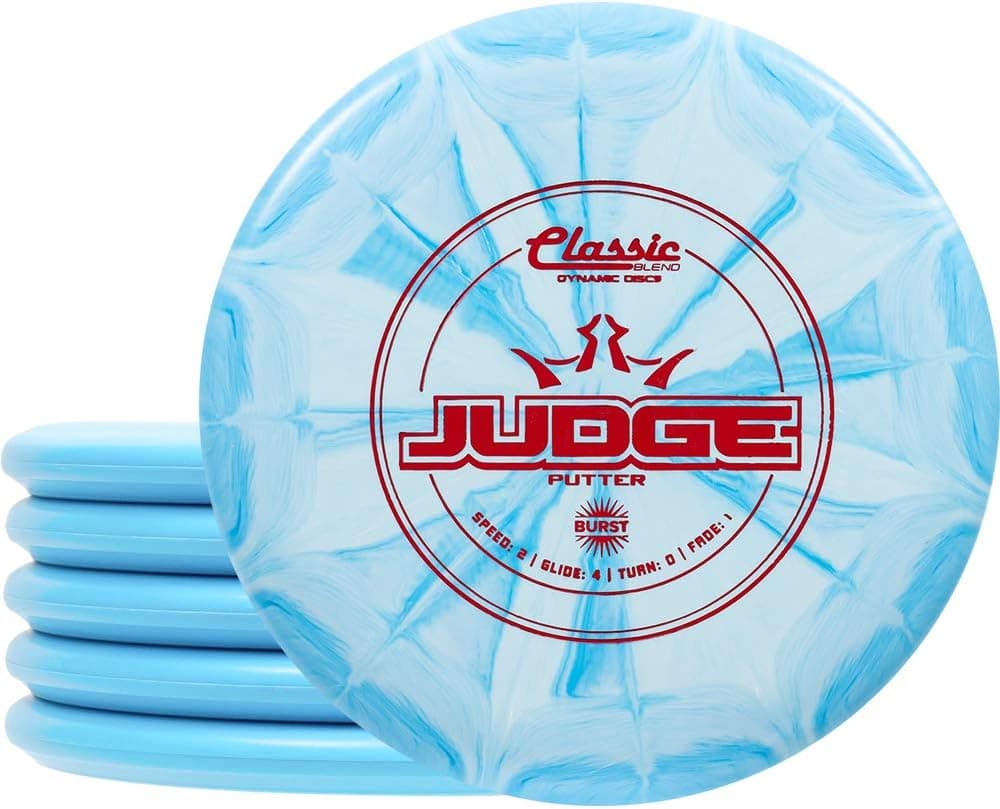
+ 5-Pack of Judges builds a real practice stack in one purchase
From our guide: Best Putter Packs and Multi-Packs
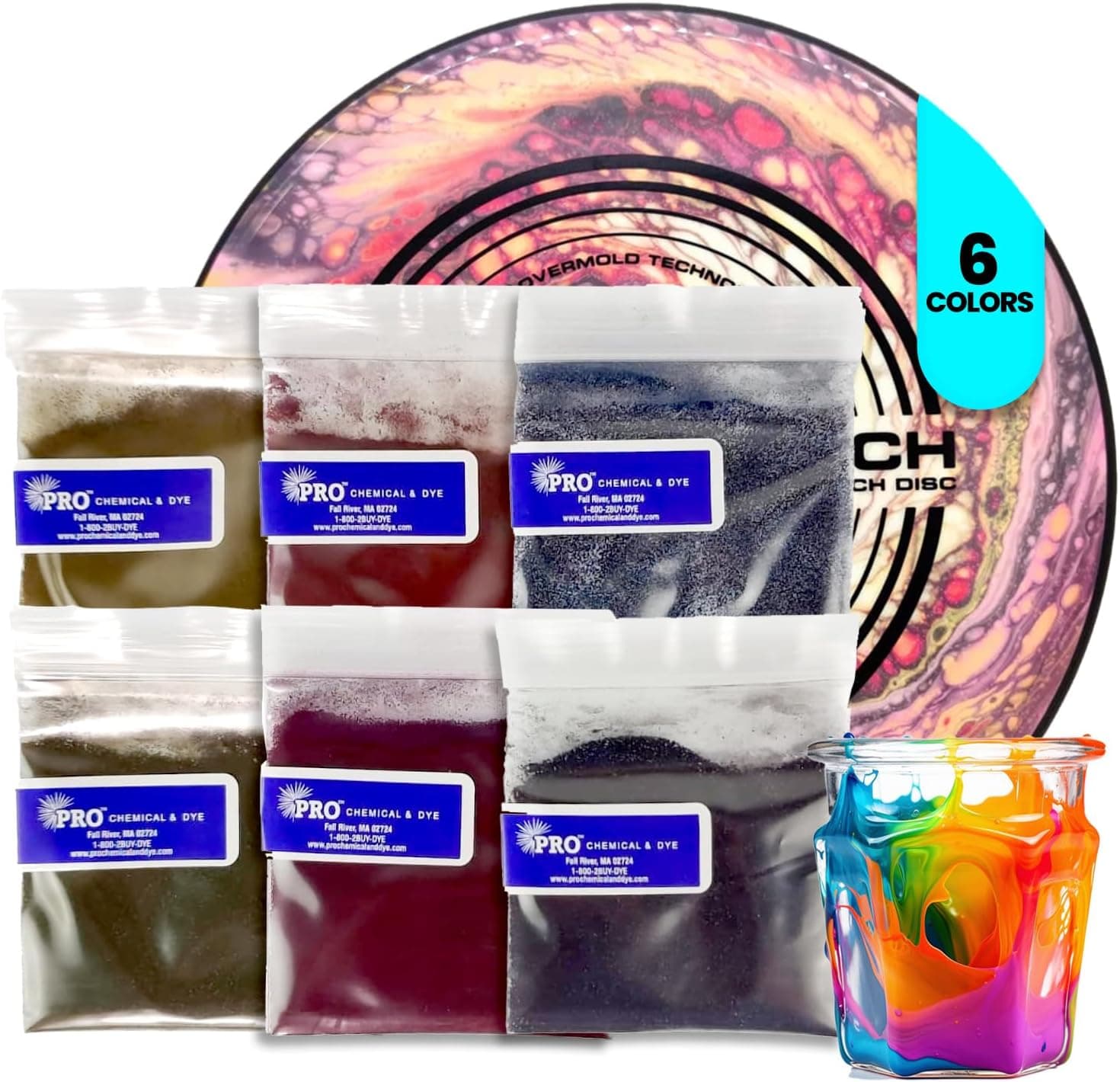
+ 6 Colors give enough variety for colorful tie dye and stencil work
From our guide: Best Disc Golf Stamps and Dyes
Start with the putter, because it is the disc you will throw most. Look for a beadless or lightly beaded putter in a grippy baseline plastic, in the 170 to 175 gram range. The putter is not just for the basket. It is a reliable approach disc from sixty meters, a safe tee shot on tight wooded holes, and a straight flyer that will not surprise you. Many experienced players carry three or four copies of the same putter for exactly this reason.
The midrange is your workhorse. Pick something with a flight rating around 5 speed, 5 glide, and a fade of 1 or less, which is the classic straight-flying midrange profile. This disc handles anything from forty to eighty meters depending on your arm, holds a line without turning over, and lands predictably. If you only ever learned one disc perfectly, this should be it. Avoid overstable midranges at the start, since they will finish hard left and reinforce the bad habit of aiming far right.
For the third slot, resist the urge to buy a high-speed distance driver. A fairway driver in the 6 to 8 speed range with a slight turn rating will fly further for a beginner than a 13 speed driver ever will. Fast drivers need arm speed to work as designed, and without it they simply nose up, stall, and hook left. A lighter fairway driver, somewhere between 155 and 165 grams, gives you extra glide and lets the disc show you what a real flight path looks like.
Think about how the three discs relate to each other. Ideally each one flies a clearly different distance and shape so there is never ambiguity about which to throw. If your midrange and your fairway driver land in the same place, one of them is doing nothing for you. Test them on an open field: throw each disc five times at a comfortable, controlled effort level and pace out the average. Those three numbers become your yardages, and yardages are what let you play a course instead of just throwing at it.
Plastic choice matters more than people expect on a starter bag. Baseline plastics, the cheaper opaque blends, grip better in the hand and are less likely to skip wildly when they hit the ground. They also wear in faster, which is a benefit, since a worn disc becomes more understable and easier for a developing arm to turn over. Premium plastics last far longer but stay stiff and overstable for years, which can hold a new player back.
Once your three discs feel predictable, add discs one at a time and only to fill a real gap. The right question is never which disc is popular. It is: what shot did I fail to execute last round, and which disc would have made it easier? Answering that honestly builds a bag that fits your throw. Answering it by browsing a shop builds a shelf of plastic you will never throw twice.
Popular right now
- Best Soft Putters for Disc GolfBuying guide
- Best Overstable Drivers for Disc GolfBuying guide
- Disc Golf Weight and Diameter ChartArticle
- Backhand Form BasicsArticle
- Best Fairway Drivers for Disc GolfBuying guide
- Best Understable Drivers for Disc GolfBuying guide
Based on the last 28 days of search and visitor data.