Disc Golf Course Etiquette Every New Player Should Know
Published How we research
Disc golf courses are usually free, often in public parks, and almost always shared with walkers, dogs, and children. That combination means etiquette is not a nicety, it is what keeps courses open and keeps the sport welcome. Most of it comes down to safety, awareness, and not making other people wait, and all of it is easy to learn in a single round.
Products from this article
The highest-scoring picks from the buying guides this article links to. Scores are our editorial assessment, not customer ratings.
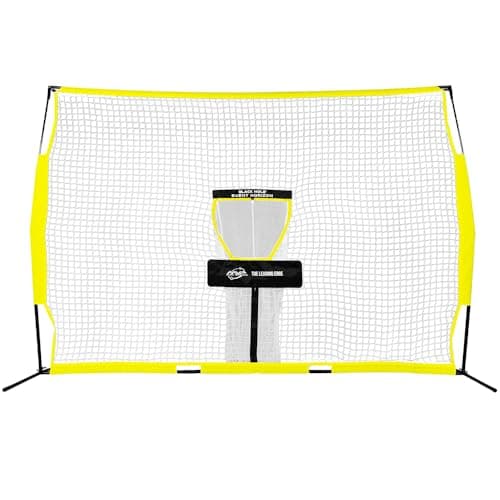
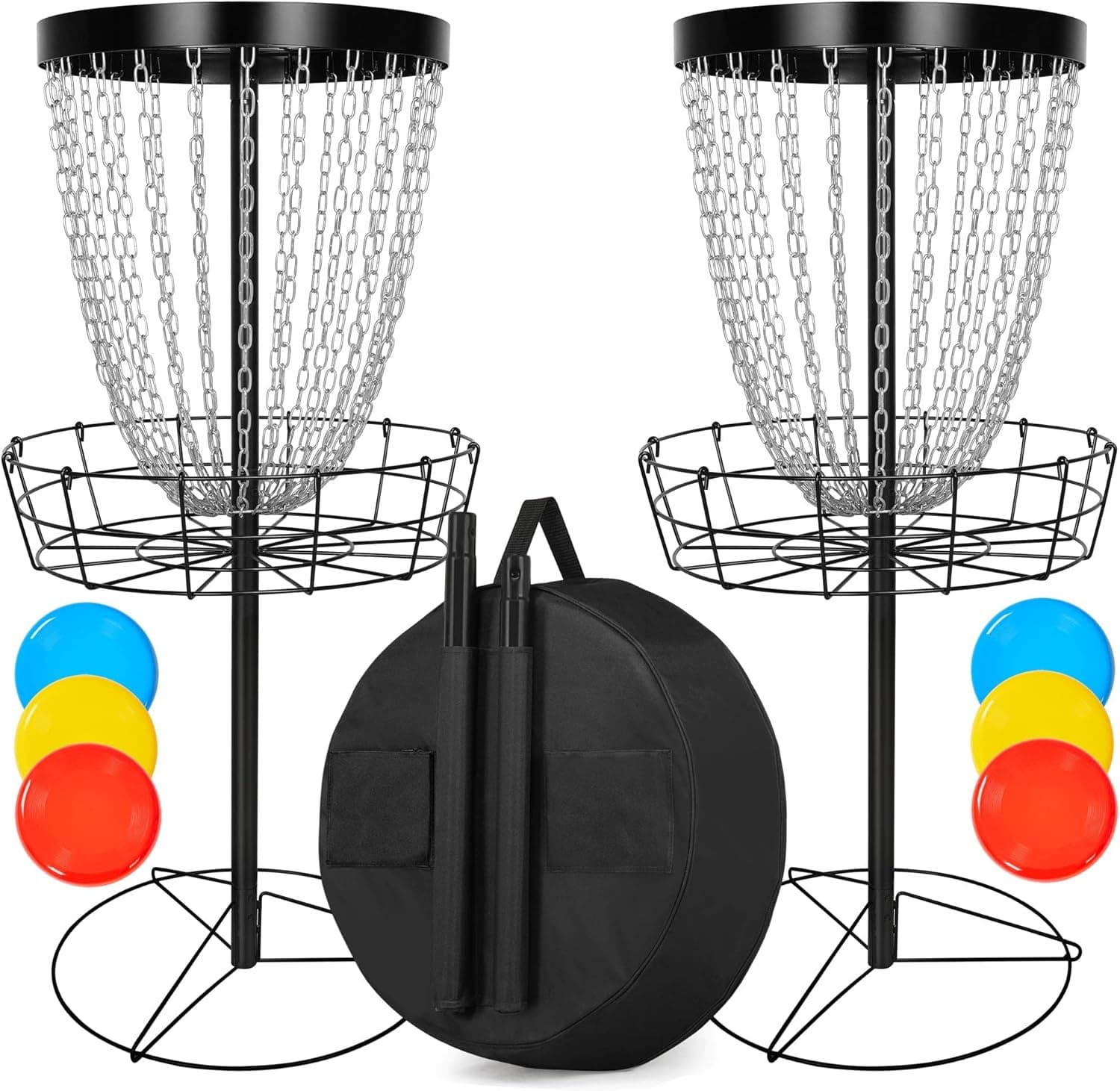
+ 2pcs baskets let you create a mini course or do two-sided putting
From our guide: Best Disc Golf Target Kits
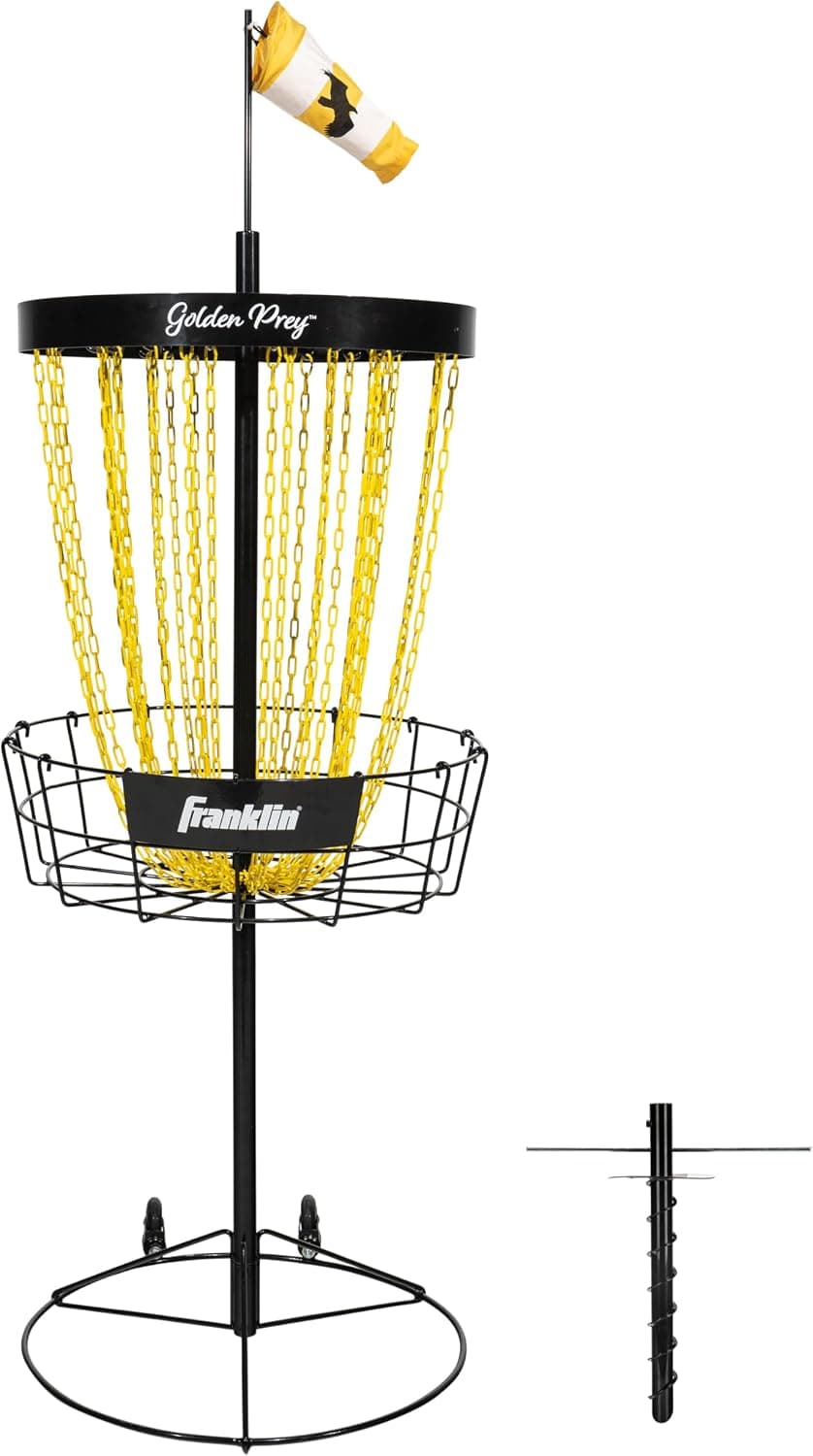
+ Built for disc golf by MVP, with a putting pocket and a pull cord so discs come back without reaching into the net
From our guide: Best Disc Golf Target Kits
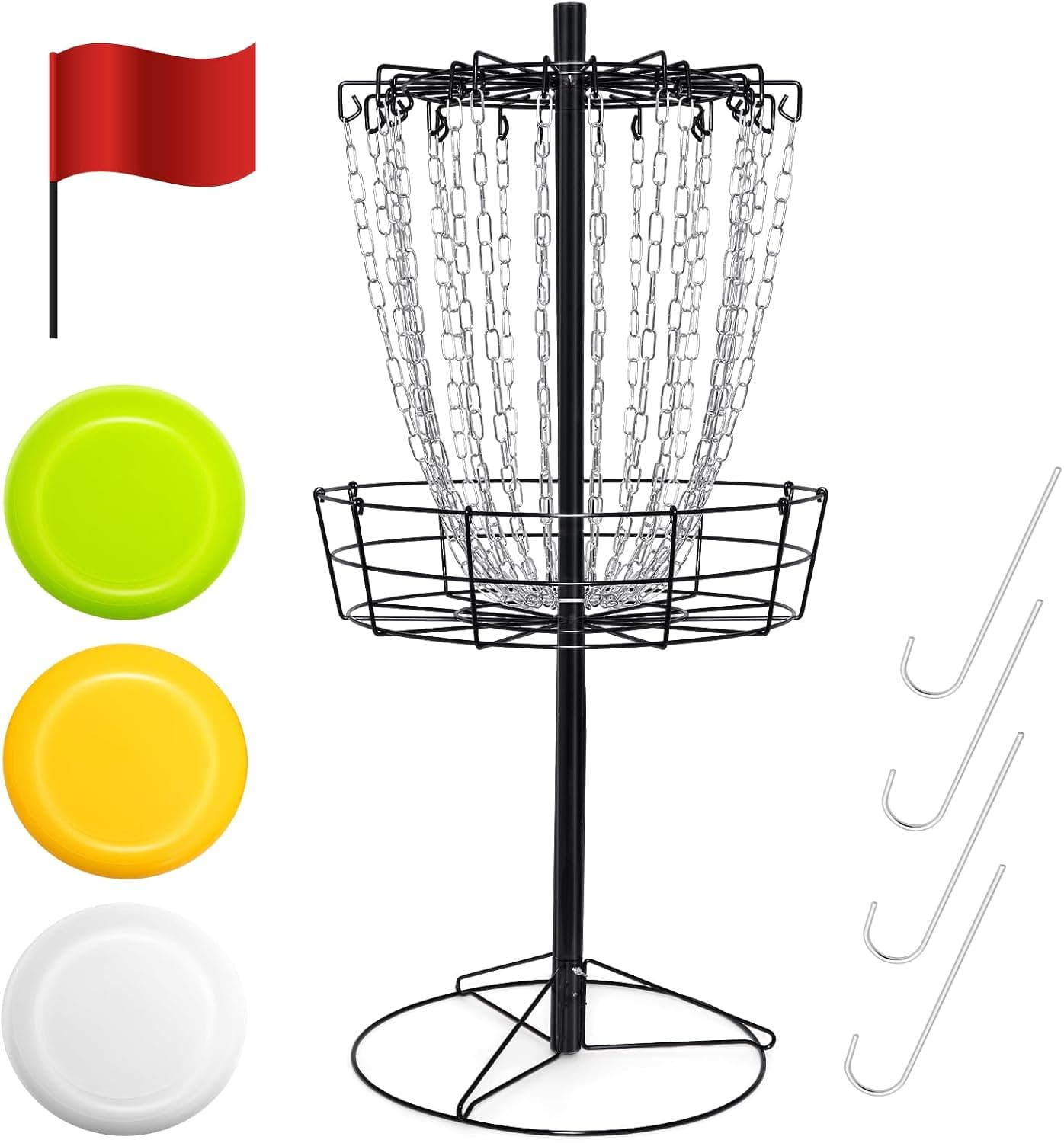
+ 24-Chain design gives good catching for practice putts
From our guide: Best Disc Golf Target Kits
+ Tool-free quick assembly makes setup simple for families
From our guide: Best Disc Golf Target Kits

Safety comes first, and the rule is simple: never throw when there is any chance of hitting someone. That includes players in your own group, the group ahead, and anyone who wandered onto the fairway. A disc travelling at speed can cause serious injury. If a member of the public walks into your line, wait. If your disc is heading toward someone despite your best judgment, shout a loud, clear warning immediately. In many regions players call out fore, borrowed from ball golf, and it is universally understood.
Stay behind the person throwing. Standing beside or in front of a thrower is dangerous and distracting, particularly with forehand throws where release timing can be unpredictable. Keep quiet while someone is in their motion, hold conversations between throws, and avoid moving in a player's field of vision as they set up. These small courtesies cost nothing and make a real difference to how a group plays.
Pace of play is the most common source of friction on busy courses. Be ready to throw when it is your turn: pick your disc and your line while others are throwing, not after. Limit searching for a lost disc to a few minutes if a group is waiting. If your group is slow, or if you are a single player or a pair moving quickly, offer to let the group behind play through. It takes thirty seconds and prevents an hour of frustration on both sides.
Respect the course itself. Do not break branches to open up a line, even small ones, because a hundred players doing that turns a wooded hole into a corridor and damages the park. Do not move rocks or dig out roots. Pick up your own litter, and if you can manage it, pick up someone else's too. Courses stay open when park authorities see players caring for the land. On the tee, one player throws at a time and the order follows the score from the previous hole, with the lowest score throwing first. After tee shots, the player furthest from the basket throws next. In casual rounds many groups play ready golf, where whoever is prepared throws first, which speeds things up considerably. Either way, do not throw while a player ahead of you is still walking to their lie.
If you find someone else's disc, look for a name and number. Returning a lost disc is a strong community norm in disc golf, and most players will happily meet you or pay for postage. Keeping a disc with contact details on it is considered poor form. Equally, write your own name and number on every disc you own, because the system only works if people can be contacted.
A few smaller courtesies round out the picture. Do not stand behind the basket in a player's sightline while they putt. Do not walk across another player's line while they are throwing. If your group brings speakers, keep the volume low or use headphones, since not everyone shares your taste and public parks are shared spaces. And if you are a beginner playing with strangers, say so early. Almost everyone in disc golf is happy to help, and the sport keeps its reputation for friendliness precisely because experienced players remember being new.
Popular right now
- Best Soft Putters for Disc GolfBuying guide
- Best Overstable Drivers for Disc GolfBuying guide
- Disc Golf Weight and Diameter ChartArticle
- Backhand Form BasicsArticle
- Best Fairway Drivers for Disc GolfBuying guide
- Best Understable Drivers for Disc GolfBuying guide
Based on the last 28 days of search and visitor data.