Disc Golf With Kids
Published How we research
Disc golf is one of the better family sports. It is outdoors, it costs almost nothing to play, it requires no team, and children can participate meaningfully from around five or six years old. The trick is to adjust the format to the child rather than expecting a child to play the adult version of the game. Get that right and it becomes something you do together for years.
Products from this article
The highest-scoring picks from the buying guides this article links to. Scores are our editorial assessment, not customer ratings.
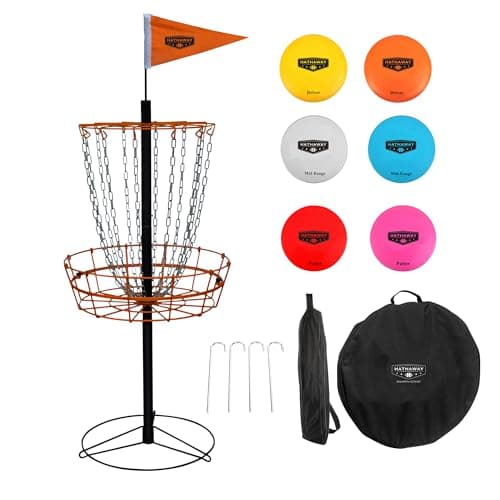
+ Includes a steel basket, six color-coded weighted discs, 12 chains, ground anchors, a flag and a carry bag.
From our guide: Best Kids Disc Golf Sets
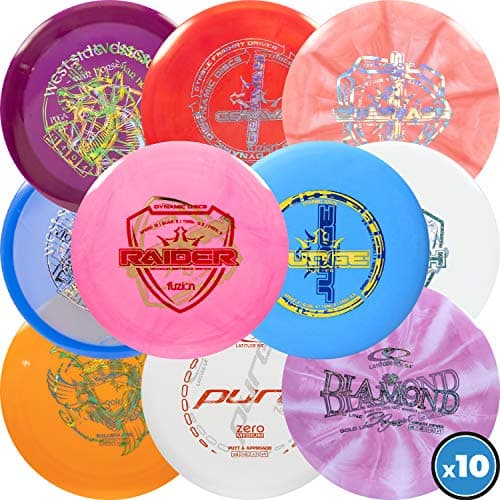
+ Ten discs with a spread of drivers, fairways, midranges and putters in one box.
From our guide: Best Mystery Disc Boxes
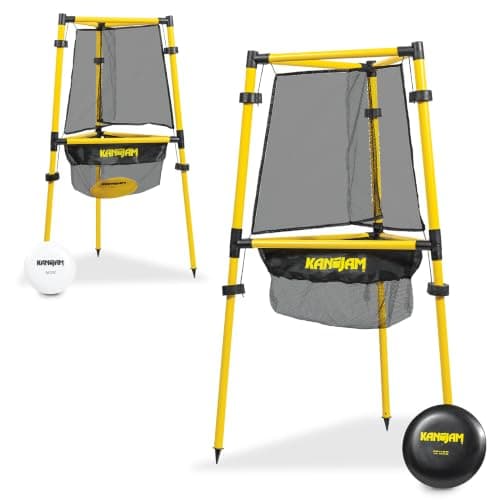
+ Two pop-up baskets are included, so two players can compete head to head right away.
From our guide: Best Kids Disc Golf Sets
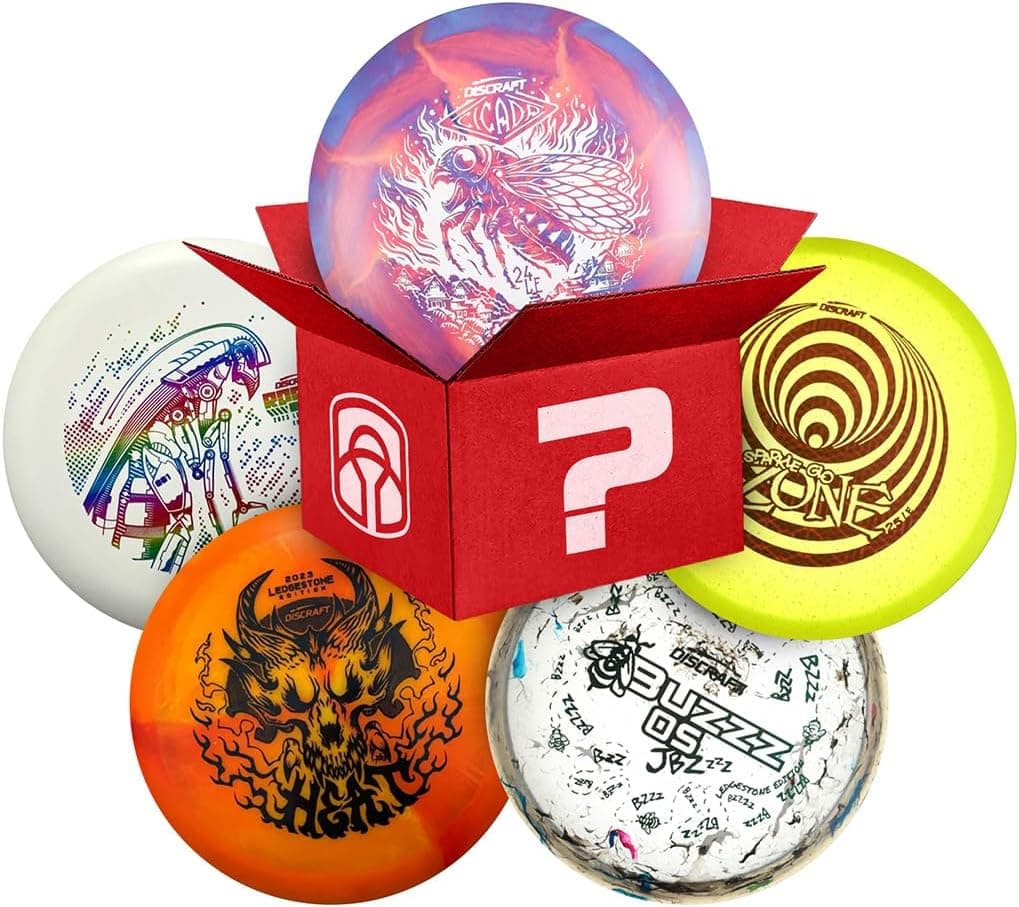
+ 5 disc assortment is a fun way to discover new molds
From our guide: Best Mystery Disc Boxes
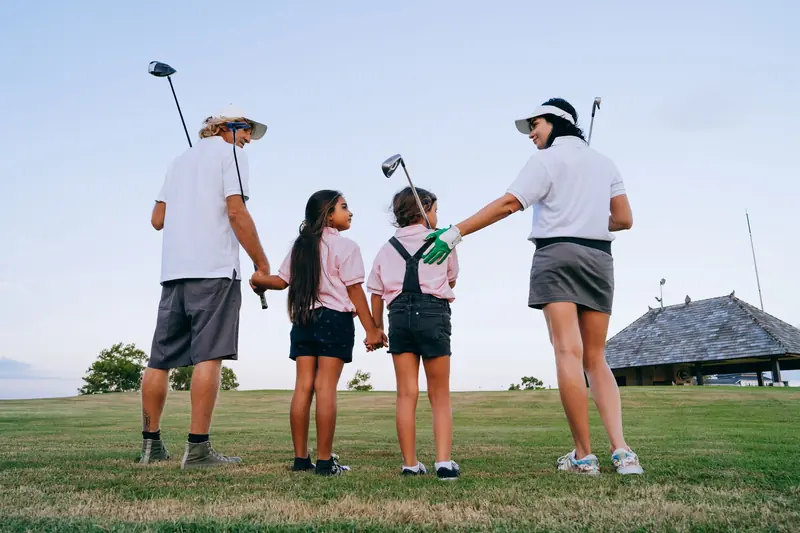
Equipment first. Children need light discs. A 150 gram driver is far too heavy for a small child, and a heavy disc produces frustration and poor mechanics. Look for lightweight putters and midranges in the 130 to 150 gram range, or dedicated kids discs which are smaller in diameter and easier to grip. Small hands cannot hold a standard driver rim properly, and a disc that does not fit the hand will never fly well no matter how good the throw is.
Expect and encourage a range of throwing styles. Many children naturally throw forehand or use a simple overhand toss, and either is fine. Do not spend a first outing correcting form. Get the disc flying, get it landing near a target, and let enjoyment build. Technical coaching lands much better once a child has decided the sport is fun and asks how to throw further.
Adjust the course to the child. Rather than playing from the tee pad on a two hundred meter hole, let children start halfway down the fairway or throw from wherever the adult's second shot landed. Some courses have shorter tee positions designed for juniors. On a long hole, simply declare that the child's hole starts eighty meters from the basket. Nobody is keeping an official record, and a child who reaches the basket in two throws is far more engaged than one grinding out an eleven.
Keep sessions short. Nine holes is plenty for younger children, and even that may be too much on a hot day. Ending while everyone is still enjoying it is much better than pushing through to eighteen and finishing with a tired, unhappy child who associates the sport with being marched around a park. Bring snacks and water, and plan for breaks. Make scoring optional or playful. Strict stroke play is not motivating for most young children. Alternatives include counting only how many baskets they hit, playing a version where everyone throws until they hit the basket and nobody counts, or setting simple challenges such as landing a disc past a particular tree. For older children who like competition, a handicap system where they start closer works well.
Safety needs a bit more attention than in an adult round. Children wander, and a disc thrown by an adult can seriously injure a small person. Establish a firm rule that everyone stands behind the thrower, and confirm visually that all children are behind you before every throw. Teach them to shout a warning if a disc heads toward anyone, and explain why it matters.
Backyard and park play is a great supplement. Setting up a portable basket or simply using a tree as a target lets children practise in short bursts without the walking. Many children enjoy putting more than throwing because the feedback is immediate and the chains make a satisfying noise. Finally, manage your own expectations. A round with children will be slower, less focused, and score worse than a round alone. That is the trade, and it is worth making. Play a course that is quiet, let go of your own scorecard, and treat the round as time outdoors that happens to involve discs. The competitive rounds will still be there next week.
Popular right now
- Best Soft Putters for Disc GolfBuying guide
- Best Overstable Drivers for Disc GolfBuying guide
- Disc Golf Weight and Diameter ChartArticle
- Backhand Form BasicsArticle
- Best Fairway Drivers for Disc GolfBuying guide
- Best Understable Drivers for Disc GolfBuying guide
Based on the last 28 days of search and visitor data.