Disc Golf Plastic Types Explained
Published How we research
Two discs with the same mold and the same flight numbers can behave very differently depending on the plastic they are made from. Plastic affects grip, durability, how quickly the disc becomes understable with use, and how it reacts to hitting a tree. Understanding the categories saves money and prevents the common frustration of buying a disc that felt great in the shop and behaved strangely on the course.
Products from this article
The highest-scoring picks from the buying guides this article links to. Scores are our editorial assessment, not customer ratings.
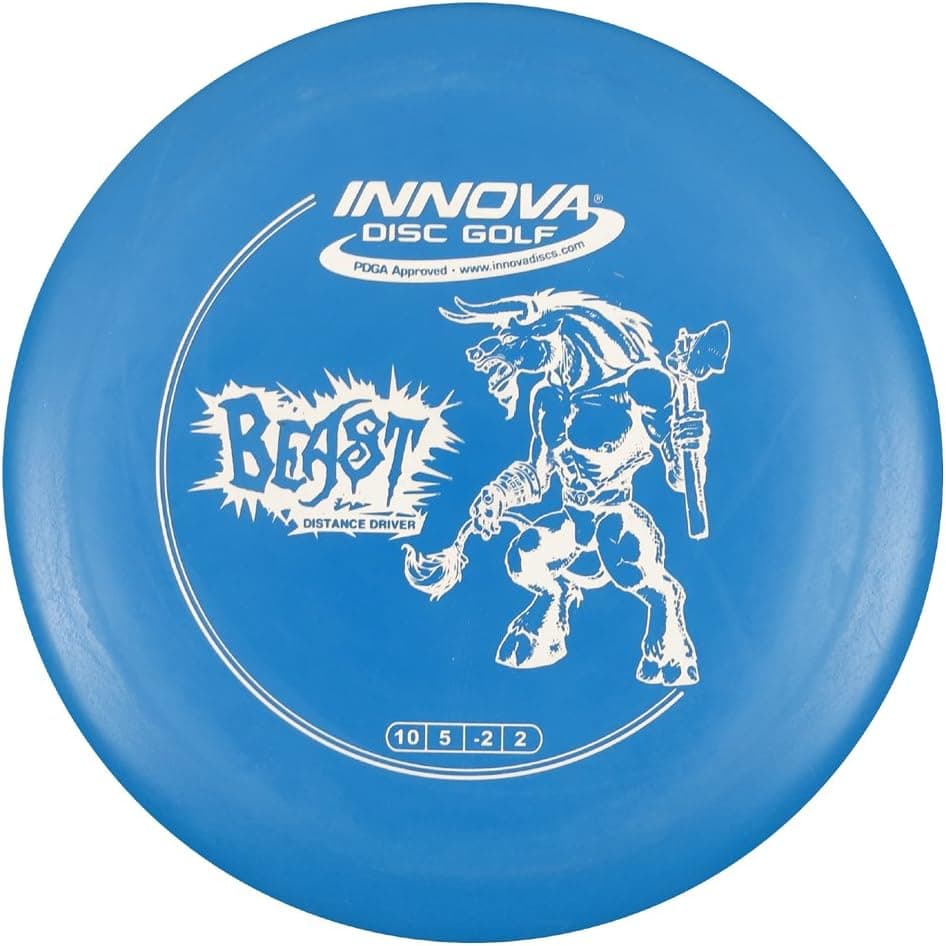
+ Glide 7 with turn -1 and fade 1 gives long, straight flights without needing much arm speed
From our guide: Best Value Disc Golf Drivers
+ Champion plastic is among Innova's toughest, keeping the flight for years
From our guide: Best Premium Plastic Drivers
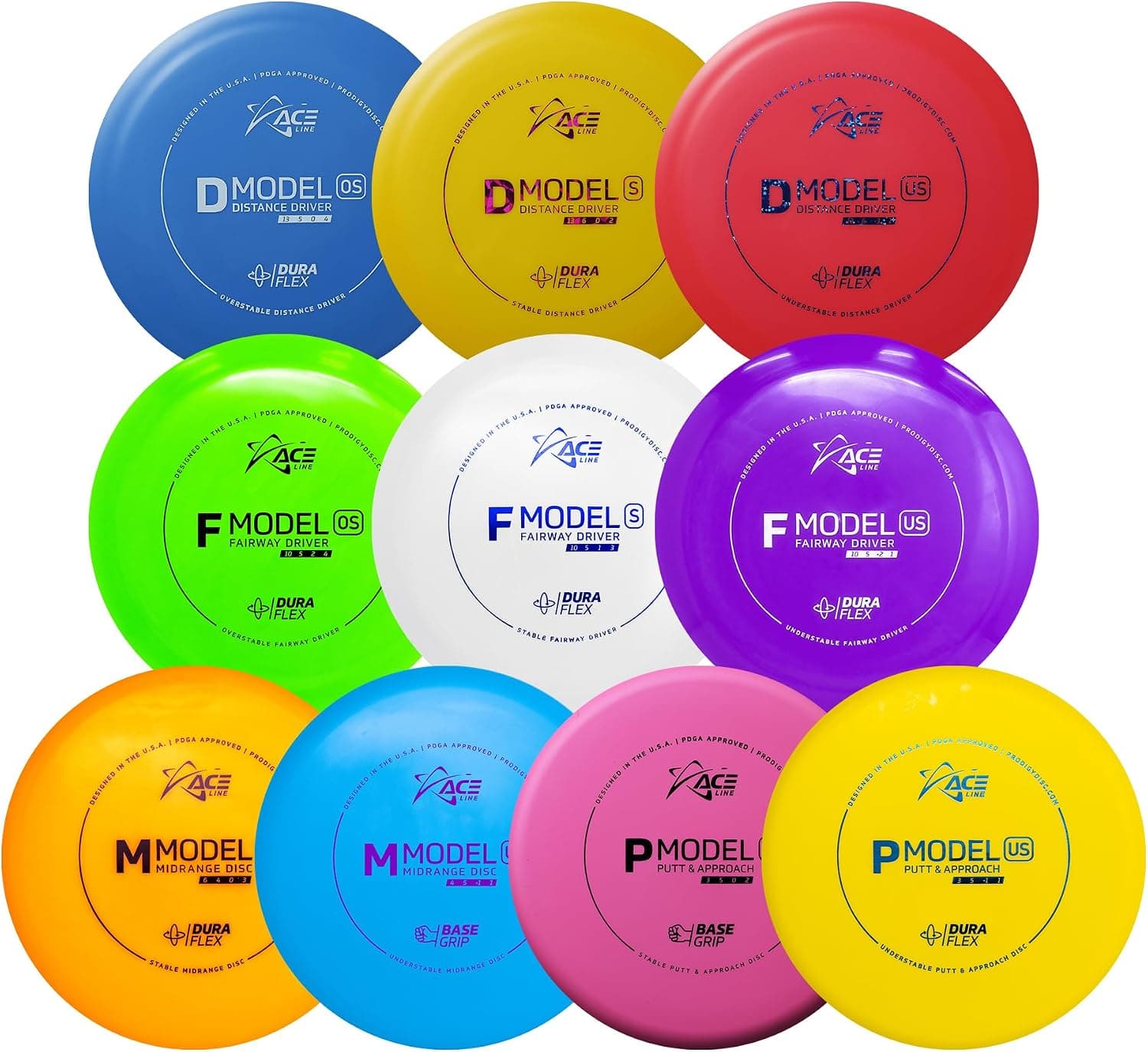
+ 3 fairways and 3 drivers give real range across tee shot needs
From our guide: Best Disc Golf Disc Bundles
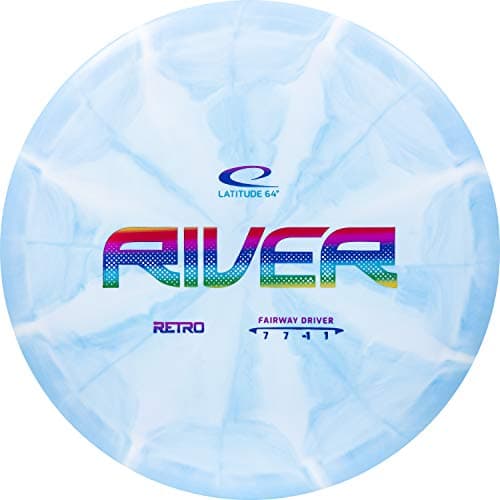
+ King turns and glides for long drives without needing maximum arm speed
From our guide: Best Value Disc Golf Drivers
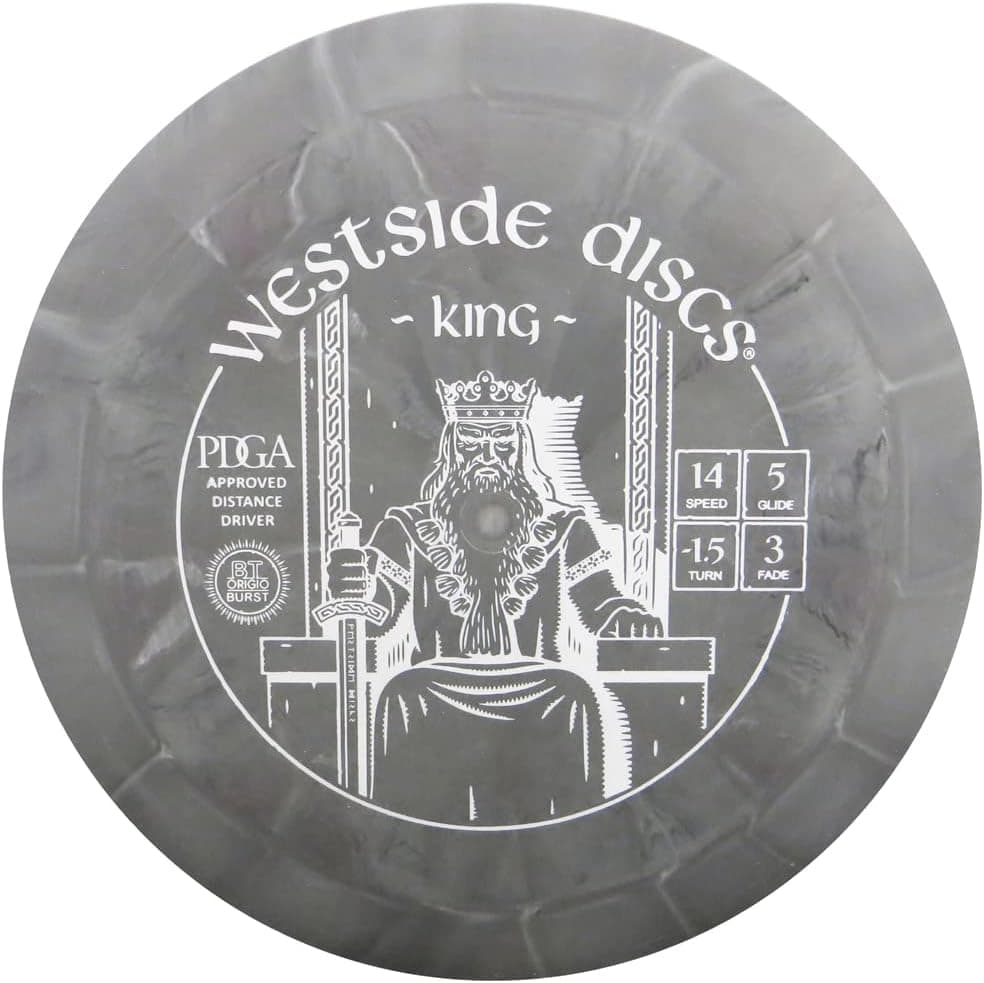

Baseline plastics are the opaque, slightly chalky blends that most manufacturers sell as their cheapest option. They have excellent grip, especially in cold or damp conditions, and they cost roughly half what a premium disc costs. The tradeoff is durability. Baseline discs scuff, dent, and wear in quickly. For putters this is a feature rather than a flaw, because a soft, grippy putter that stays where it lands is exactly what you want in the chains. For drivers, expect a baseline disc to become noticeably more understable within a season of regular play.
Premium plastics are the clear, translucent, or shiny blends that resist damage. A premium driver can survive hundreds of tree hits and still fly close to how it flew new. That stability is valuable when you have found a disc you love and want it to stay consistent. The downside is grip: premium plastics can feel slick, particularly when wet or when your hands are sweaty, and they cost more. They also skip further on hard ground, which can turn a decent approach into a long walk.
Between those two sit a large family of mid-grade plastics that offer better durability than baseline with more grip than premium. Most manufacturers have at least one. These are often the smartest buy for a developing player, because they hold their flight reasonably well without feeling like glass in your hand. If you are unsure, this middle tier is rarely the wrong answer.
Some discs use two plastics in one mold, with a soft, grippy rim bonded to a rigid flight plate or the reverse. These overmold and dual-blend designs are engineered to shift the weight distribution toward the rim, which usually produces a more stable, higher-torque-resistant flight. They tend to be expensive and specialized. They are worth trying once you know what shot you want but cannot find a single-plastic disc that produces it.
Soft plastics deserve a special mention for putting and approach work. A very flexible putter will absorb impact instead of bouncing off the basket band, and it grips wet chains rather than sliding through them. Many players carry soft putters for putting and a firmer version of the same mold for driving and approaching, since the firmer one holds its line better on longer throws.
Temperature changes how every plastic behaves. In cold weather, premium plastics become stiff and slick while baseline plastics stay more manageable, which is why many players switch to grippier blends in winter. In hot weather the reverse can happen, with soft plastics feeling tacky and gummy. Keeping one grippy disc in the bag year round costs little and rescues rounds in bad conditions. A reasonable approach for most bags: baseline or soft plastic for putters, mid-grade for midranges you throw into wooded areas, and premium for the drivers you want to keep consistent for years. Buy duplicates of the discs you trust most, in the same plastic and weight, so that losing one to a lake does not mean relearning a shot from scratch.
Popular right now
- Best Soft Putters for Disc GolfBuying guide
- Best Overstable Drivers for Disc GolfBuying guide
- Disc Golf Weight and Diameter ChartArticle
- Backhand Form BasicsArticle
- Best Fairway Drivers for Disc GolfBuying guide
- Best Understable Drivers for Disc GolfBuying guide
Based on the last 28 days of search and visitor data.