Putting Technique and Routine
Published How we research
Putting is where rounds are won and lost. A player who drives three hundred feet and misses every ten meter putt will lose to a player with half the arm and a reliable stroke. The good news is that putting requires no athleticism, only repetition and a routine you trust. The bad news is that it is the part of the game most players neglect, because throwing far is more fun than standing in front of a basket for an hour.
Products from this article
The highest-scoring picks from the buying guides this article links to. Scores are our editorial assessment, not customer ratings.
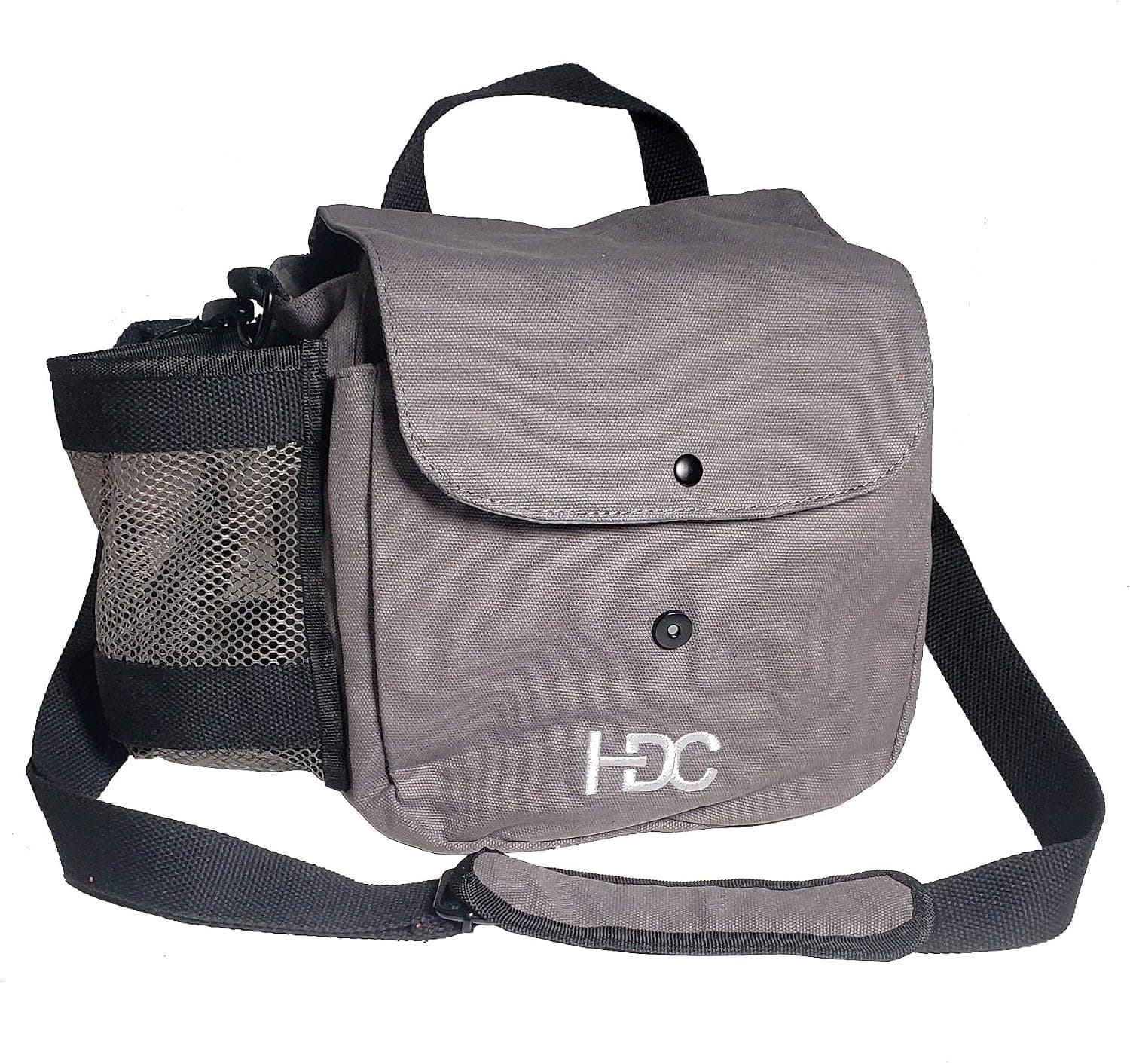
+ 10-12 disc capacity is ideal for beginners and light bags
From our guide: Best Disc Golf Shoulder Bags
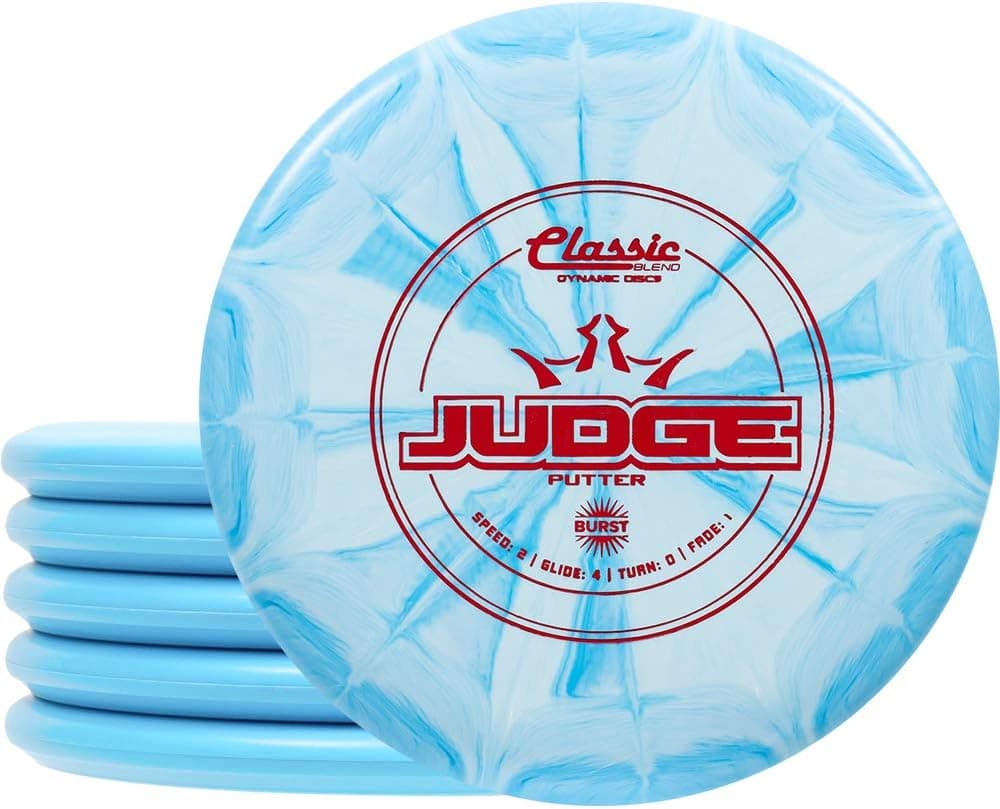
+ 5-Pack of Judges builds a real practice stack in one purchase
From our guide: Best Home Disc Golf Putting Setup
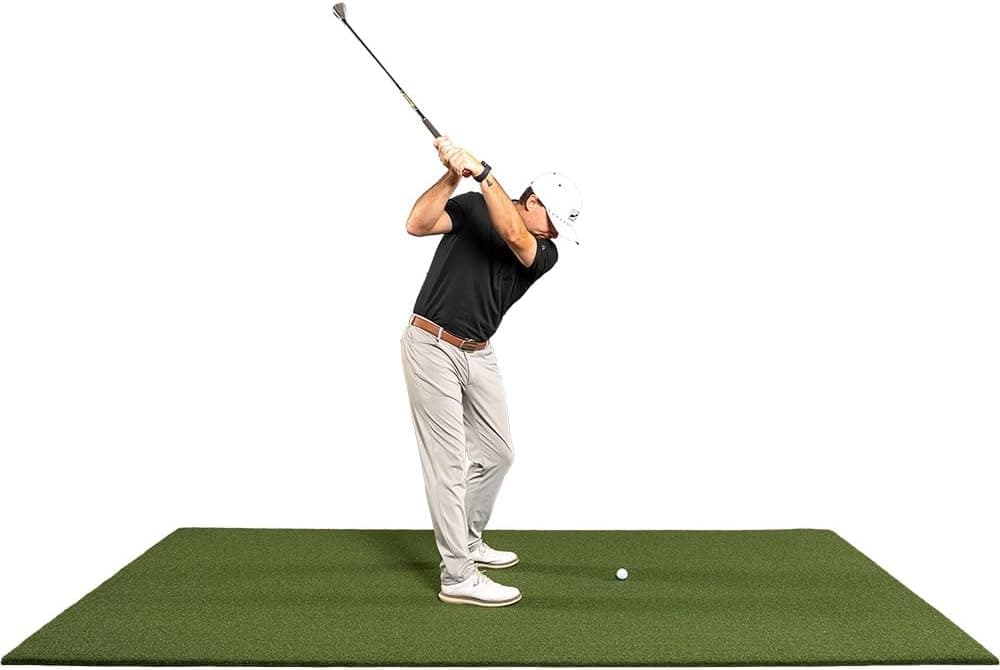
+ 5 x 5 size gives a large, stable standing surface for footwork
From our guide: Best Disc Golf Putting Mats
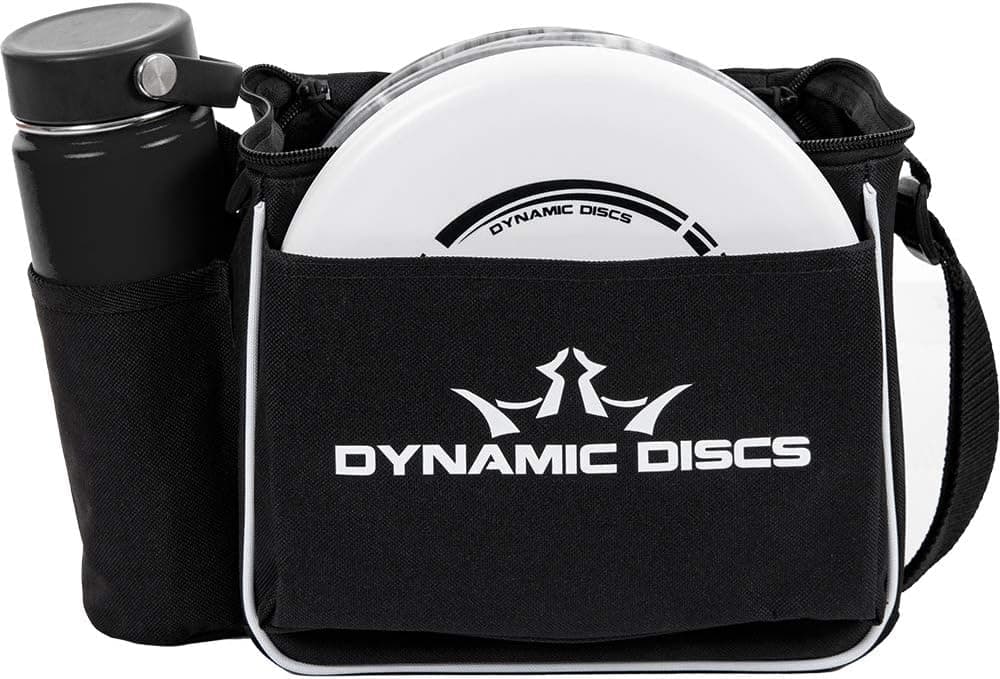
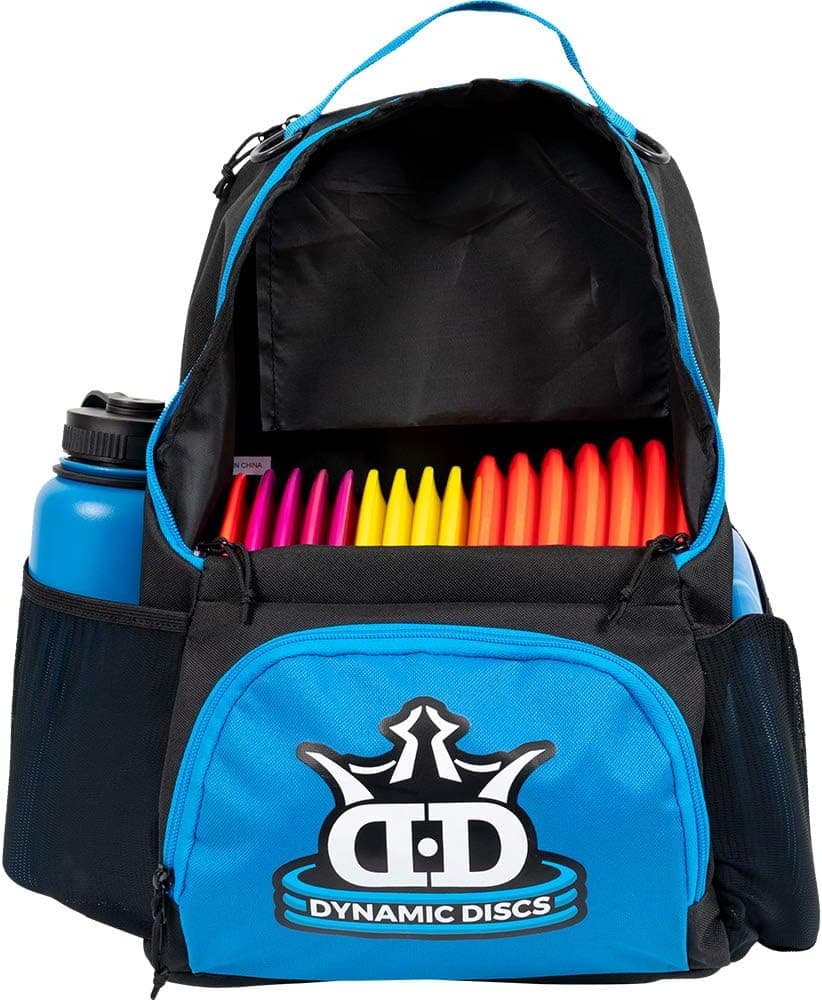
+ 17+ disc capacity is generous for a compact shoulder bag
From our guide: Best Disc Golf Shoulder Bags

There are two dominant putting styles. The spin putt uses more wrist and releases the disc with significant rotation, flying a flatter, faster line that resists wind. The push putt uses a straighter arm motion with less spin, sending the disc on a higher, gentler arc that lands softly and stays close on misses. Neither is better. Most players find one feels natural within a few sessions. Pick that one and stop switching, because the biggest source of missed putts is inconsistency, not style.
Stance follows the same principle. A staggered stance with your throwing-side foot forward is the most common and gives good balance. Some players prefer a straddle stance with feet level and wide, which is stable and useful when a tree or bush blocks a staggered setup. Learn one as your default and the other as a backup, and know which one you are using before you step to the lie.
The stroke itself should be simple. Start with the disc low, near your waist or knee, and drive it up toward the basket with your legs and arm moving together in one motion. Aim at a specific link of chain rather than at the basket as a whole, and keep your eyes fixed on that point through the release. Vague aim produces vague results. The disc should arrive at the chains still rising slightly, which helps it stick rather than sliding through.
Grip pressure for putting should be lighter than for driving, and the release should feel like the disc leaves your hand rather than being flung from it. Many players hold the disc with a fan grip, fingers spread across the underside of the flight plate, which promotes a smooth release with less spin. Others use a modified power grip. Experiment in practice, not on the course.
A routine is what makes all of this survive pressure. Build a short sequence you perform identically before every putt: mark the lie, pick your aim point, take one or two practice motions, breathe out, then putt without hesitation. The whole thing should take under ten seconds. The purpose is not superstition, it is to occupy your attention with a familiar process so that nerves have nowhere to go. On a putt that matters, the routine is the only thing that will feel normal.
Distance control comes from calibration, not from guessing. In practice, work at three ranges: five meters, eight meters, and eleven meters. Learn what each one feels like so that on the course you recognize the distance and reach for a known feeling rather than inventing one. Beyond about twelve meters, most players score better by laying up safely below the basket than by running the putt and risking a long comeback. Finally, accept that missing is part of putting. The players who make the most putts are not the ones who never miss, they are the ones whose misses are boring: short and directly below the basket instead of sailing past into a bush. Aim for that quality of miss and your scores will improve even before your make rate does.
Popular right now
- Best Soft Putters for Disc GolfBuying guide
- Best Overstable Drivers for Disc GolfBuying guide
- Disc Golf Weight and Diameter ChartArticle
- Backhand Form BasicsArticle
- Best Fairway Drivers for Disc GolfBuying guide
- Best Understable Drivers for Disc GolfBuying guide
Based on the last 28 days of search and visitor data.