Upgrading From Beginner to Intermediate Discs Without Wasting Money
Published How we research
There is a point in most players' development where the discs that helped them learn start to hold them back. The understable fairway driver that used to fly straight now turns over and rolls. The lightweight midrange gets pushed around in wind. These are good problems, because they mean your arm speed has increased. Knowing how to respond without buying twenty discs is what separates a smart upgrade from an expensive shelf of plastic.
Products from this article
The highest-scoring picks from the buying guides this article links to. Scores are our editorial assessment, not customer ratings.
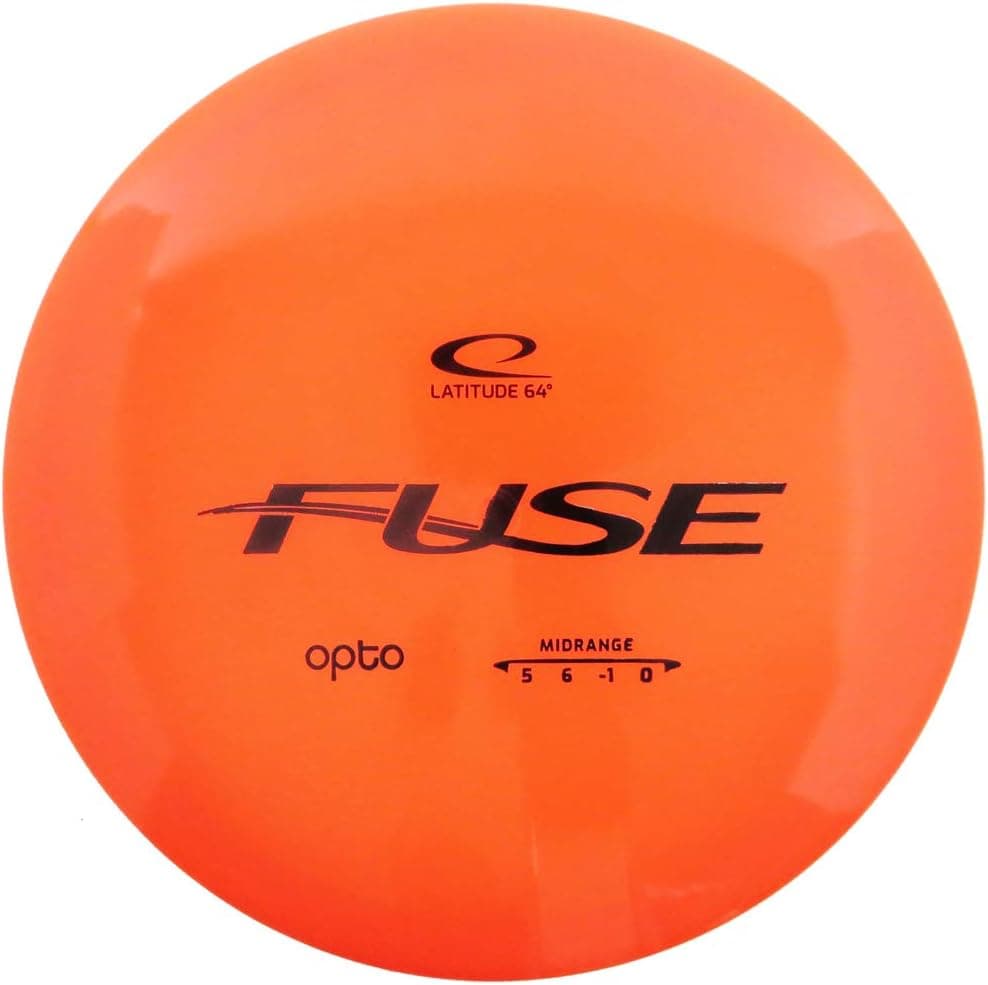
+ Fuse offers a gentle turn and straight finish for tunnel shots
From our guide: Best Understable Midranges
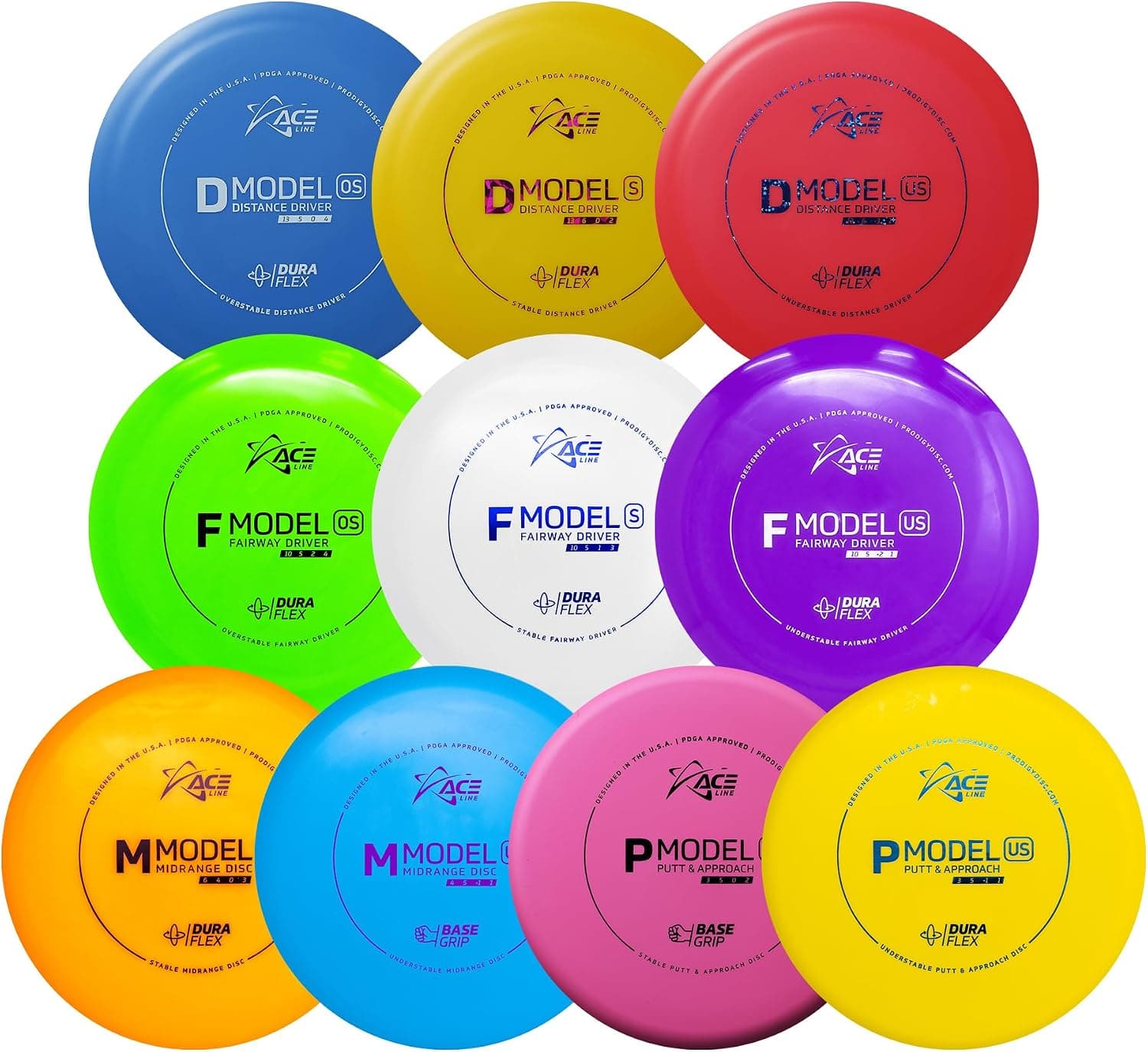
+ 3 fairways and 3 drivers give real range across tee shot needs
From our guide: Best Disc Golf Disc Bundles
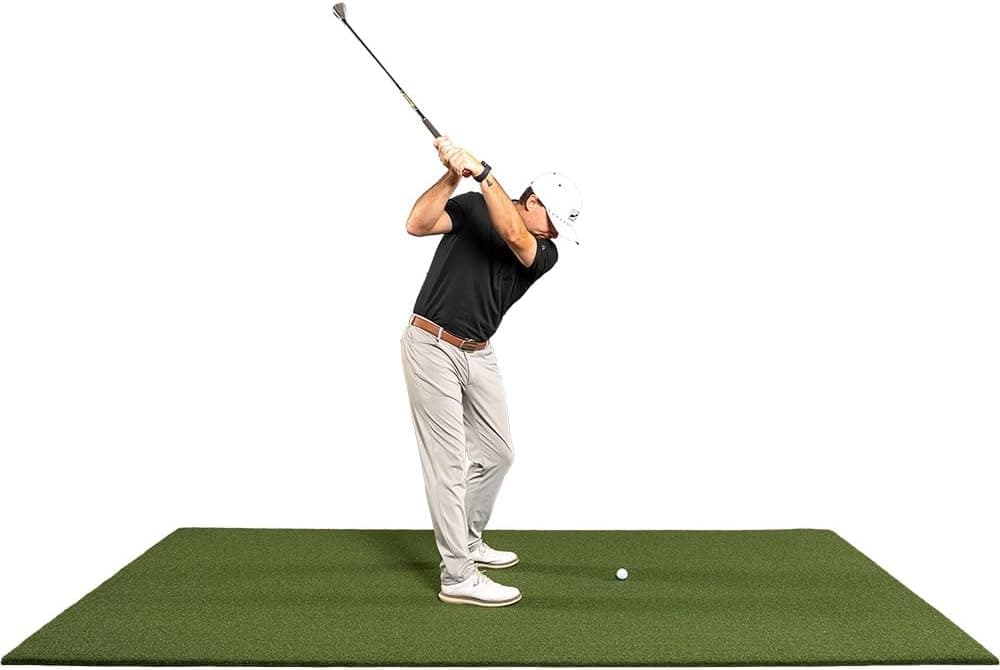
+ 5 x 5 size gives a large, stable standing surface for footwork
From our guide: Best Disc Golf Putting Mats
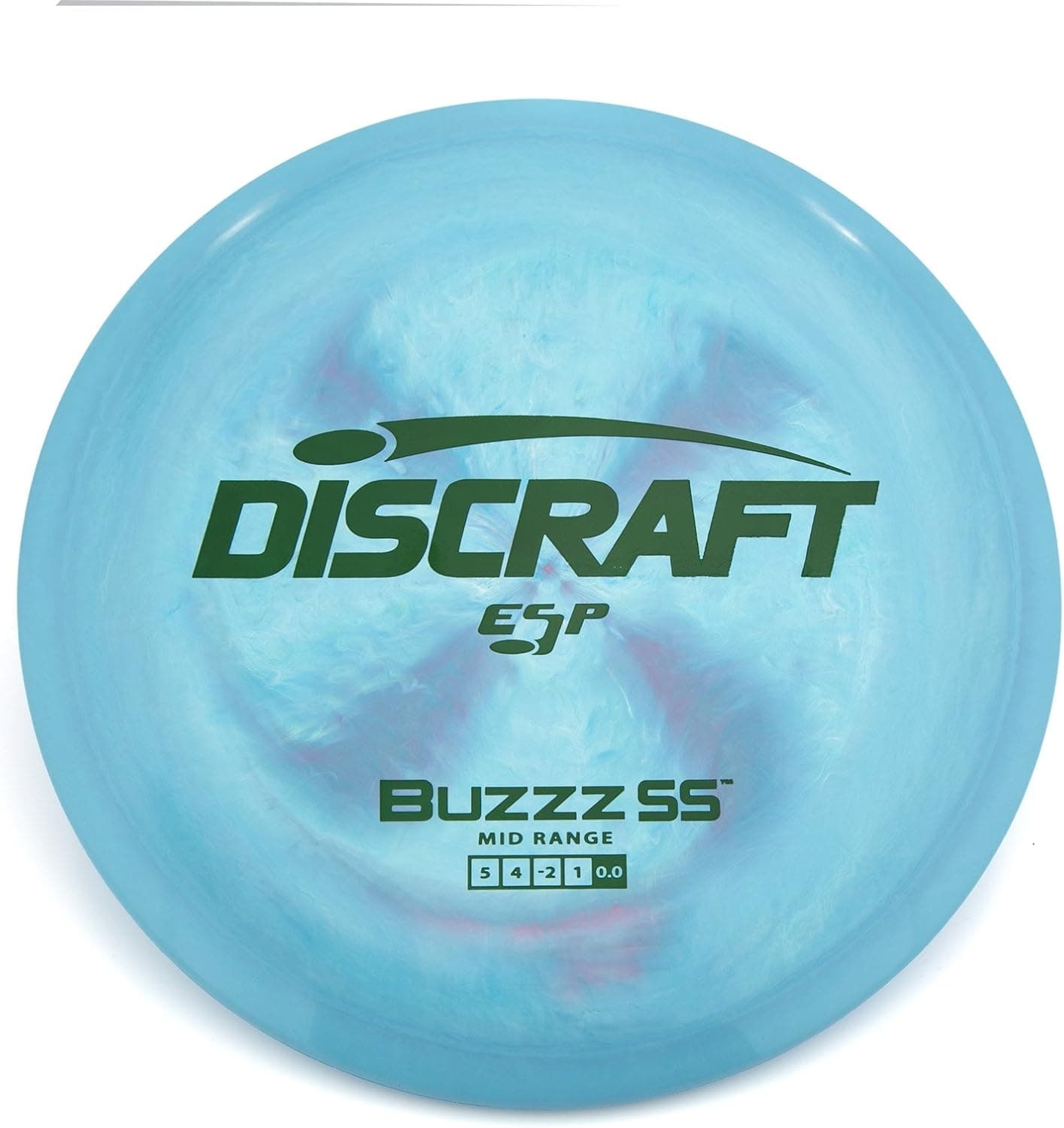
+ Buzzz SS turns more than a normal Buzzz, great for anhyzer mid lines
From our guide: Best Understable Midranges
The clearest signal that you are ready for faster or more stable discs is consistent turnover. If your usual driver now finishes right and rolls away when thrown flat at a comfortable effort, you have outgrown it. Another signal is distance plateau with good form: if your technique is clean, your releases are flat, and you are getting maximum flight from your current discs, a slightly faster disc may add real distance. If your throws still wobble or fly nose up, faster plastic will make things worse, not better.
Upgrade one slot at a time and give each change several rounds before making another. The usual sequence is to add a stable or overstable midrange first, since it gives you a wind-resistant option and a reliable hyzer shot without demanding much power. Next comes a stable fairway driver in the 7 to 9 speed range to replace the understable one you have beaten in. Only after those two feel comfortable is a control distance driver worth considering.
When adding a faster disc, keep everything else similar. If you throw a 165 gram fairway driver in a mid-grade plastic, buy your next disc in a comparable weight and plastic. Changing speed, weight, and plastic all at once means you learn nothing from the result, because you cannot tell which variable caused the change in flight. Do not retire your beaten discs. A well worn understable driver is one of the most useful discs in any bag, producing long turnover shots and gentle right-finishing lines that no new disc can replicate. Many experienced players carry a fresh and a beaten copy of the same mold precisely because they fly like two different discs. The upgrade is an addition, not a replacement.
Be cautious about the high-speed distance driver category. Speed 12 to 14 discs are designed for arm speeds that take years to develop, and for most intermediate players they produce shorter, less controllable throws than a speed 9 disc. If you want to test one, borrow rather than buy, and test in a field where you can see the full flight rather than on a wooded course where every result looks the same.
Field testing is how you make upgrade decisions honestly. Take the new disc and the disc it might replace to an open space and throw ten of each at controlled effort. Pace out distance and note the flight shape. If the new disc does not clearly do something the old one could not, it does not belong in the bag. Popularity is not evidence, and a disc that transformed someone else's game may do nothing for your throw.
Finally, think about gaps rather than upgrades. The most useful question is which distances and shapes you currently cannot produce. If you have no disc that flies a hard, wind-resistant hyzer, that is a real gap. If you already have three discs that fly seventy meters straight, adding a fourth is not an upgrade, it is shopping.
Popular right now
- Best Soft Putters for Disc GolfBuying guide
- Best Overstable Drivers for Disc GolfBuying guide
- Disc Golf Weight and Diameter ChartArticle
- Backhand Form BasicsArticle
- Best Fairway Drivers for Disc GolfBuying guide
- Best Understable Drivers for Disc GolfBuying guide
Based on the last 28 days of search and visitor data.