Disc Golf Grips: How to Hold a Disc for Every Throw
Published How we research
There are three disc golf grips worth learning first: the power grip for backhand drives, the fan grip for putts and short approaches, and a two-finger grip for forehands. Curl all four fingers under the rim when you want distance, spread them across the underside of the disc when you want control, and in every grip keep the rim seated firmly against your fingers with the thumb pressing down on top. The rest is detail: where the thumb sits, how hard to squeeze, and how to keep that hold when the disc is wet or your hands are cold. This guide walks through each grip, when to use it, and the mistakes that cause wobble and early or late releases.
Which grip for which throw
Backhand drives with a fairway or distance driver: power grip. All four fingers curl under the rim with the thumb on top. It gives the most spin and distance and the least touch.
Backhand approaches and midrange shots: fan grip or modified fan grip. The fingers spread under the flight plate with the index finger at the rim. You give up distance for a cleaner, more repeatable release.
Putts: fan grip. The fingers spread wide to hold the putter flat and stable, with the index finger either along the outside of the rim or tucked under it.
Forehand drives: stacked two-finger grip, with the index and middle fingers together against the inside of the rim. Forehand approaches: split grip, with the middle finger on the rim and the index finger flat on the flight plate for support.
None of this changes between right-handed and left-handed players, and none of it is a rule. Hand size, finger length and rim shape all shift what feels secure, so treat these as starting points.
Power grip for backhand drives
The power grip is the standard grip for backhand drives. Lay the rim across the base of your fingers so it sits in the crease where the fingers meet the palm, then curl all four fingers under the rim until the pads press against the inside wall. The thumb goes on top of the flight plate, near the edge and roughly above the index finger. Squeezing the thumb and index finger together creates the pinch point that the disc pivots out of at release, and that pivot is where most of the spin comes from.
Two details matter more than exact finger placement. First, the disc should line up with your forearm when you look down at it, like an extension of the arm, not cocked upward. A nose that points up at release makes the disc climb, stall and fade early. Tipping the wrist slightly down, as if pouring from a pitcher, fixes it. Second, there should be no gap between the rim and your palm. If the disc can rock in your hand, it will come out with wobble.
The power grip suits fairway and distance drivers, where the rim is wide enough to fill the hand. On a deep-rimmed putter or midrange the same grip can feel cramped, which is one reason many players switch to a fan grip for slower discs. If you are still learning it, a fairway driver is the easier place to start because the rim is narrower than on a distance driver.
Fan grip and modified fan grip for control
In a fan grip the fingers spread out across the underside of the flight plate instead of curling into the rim. The index finger rests on or just under the rim, the other three fingers fan toward the center of the disc with their pads flat on the plastic, and the thumb presses down on top. The disc is held across a wide, stable base, so it comes out flat and clean. The trade-off is power: fanned fingers cannot hold on as long or generate as much spin as a full power grip.
The modified fan grip sits between the two. The index finger hooks under the rim as it does in a power grip, while the middle, ring and little fingers rest with their pads against the inside of the rim or just off it, only loosely curled. Many players use it for midranges and for controlled fairway shots, because it keeps most of the clean release of the fan grip and adds some of the snap of the power grip.
A simple rule works for most bags: power grip on anything you throw at full effort, modified fan grip on midranges and touch drives, and a full fan grip on short approaches and on the putting green.
Forehand grips: stacked and split
A forehand is thrown off two fingers. In the stacked grip, the index and middle fingers lie together, with the middle finger pad pressed hard against the inside wall of the rim and the index finger tight beside it. The thumb clamps down on the flight plate above them, and the rim sits deep in the web between thumb and index finger. This is the strongest forehand grip and the one most players use for drives.
In the split grip, the middle finger stays on the rim while the index finger lies flat on the underside of the flight plate, pointing toward the center of the disc. That extra finger supports the disc and reduces wobble, which makes the split grip easier for beginners and useful for short, soft forehand approaches. It costs some power because only one finger drives the rim.
Whichever version you use, the ring and little fingers stay curled out of the way, and the disc must feel locked into the hand, not balanced on the fingertips. Forehands put more torque on a disc than backhands do, so flutter is common at first. A firm grip, a flat wrist and a stable or overstable disc all help while the release cleans up.
Putting grip
Most players putt with a fan grip. Spread the fingers under the flight plate so the disc is supported across its width, press the thumb on top, and place the index finger where it feels most natural: along the outside edge of the rim for a soft, pushing release, or under the rim with the others for a little more spin. Either works. What matters is that the grip is identical on every putt.
Hold the putter firmly enough that it cannot shift, but keep the wrist and forearm loose. Putters differ a lot in the hand. A beaded rim gives the fingers a small ridge to sit against, a beadless rim feels smoother on release, and softer plastic gives more grip in the cold. If your fingers never find the same spot twice, the mold may simply not fit your hand, and trying a deeper or shallower putter is a reasonable fix.
Grip pressure and common mistakes
Grip pressure should be firm in the fingers and relaxed everywhere else. A useful picture is holding a hammer: tight enough that it will not fly out of your hand, not so tight that the forearm locks up. Pressure also should not be constant through the throw. Hold the disc securely during the reach back, then let the squeeze peak as the disc comes through the release point, so that it rips out of the pinch between thumb and index finger.
Too loose a grip lets the disc slip out early with little spin, which shows up as wobble and lost distance. Too tight a grip, or holding on too long, causes grip lock: the disc comes out late and sprays wide of the target. If both happen in the same round, the usual cause is tension in the arm, not the fingers. Slow the throw down, keep the squeeze in the hand, and let the disc pull itself out.
Rim width limits what your hand can do. Fairway drivers have rims of roughly 1.6 to 1.9 centimeters, while distance drivers run about 2.1 centimeters and wider. If your fingertips cannot reach the inside wall of a wide rim comfortably, a fairway driver you can hold cleanly will usually fly better for you than a distance driver you cannot.
Keeping your grip in rain, sweat and cold
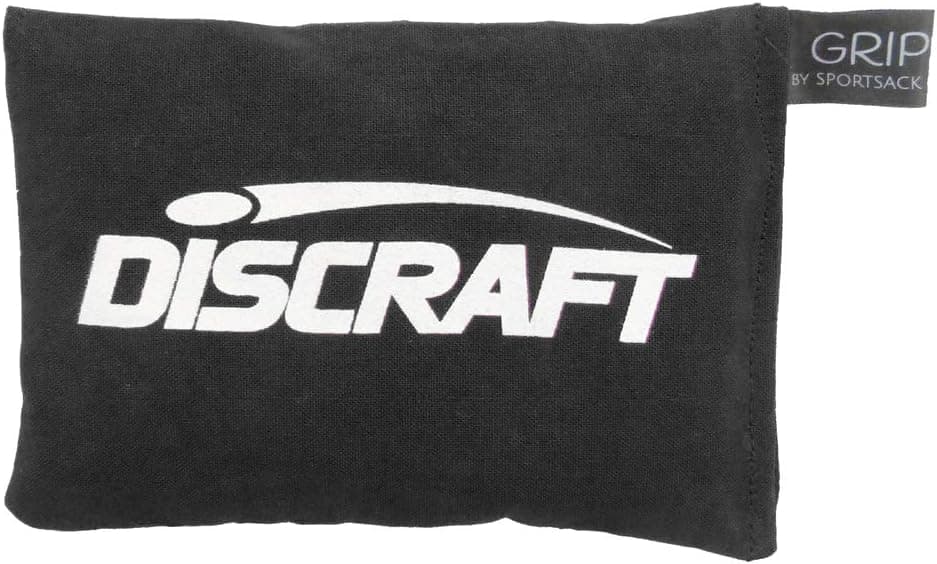
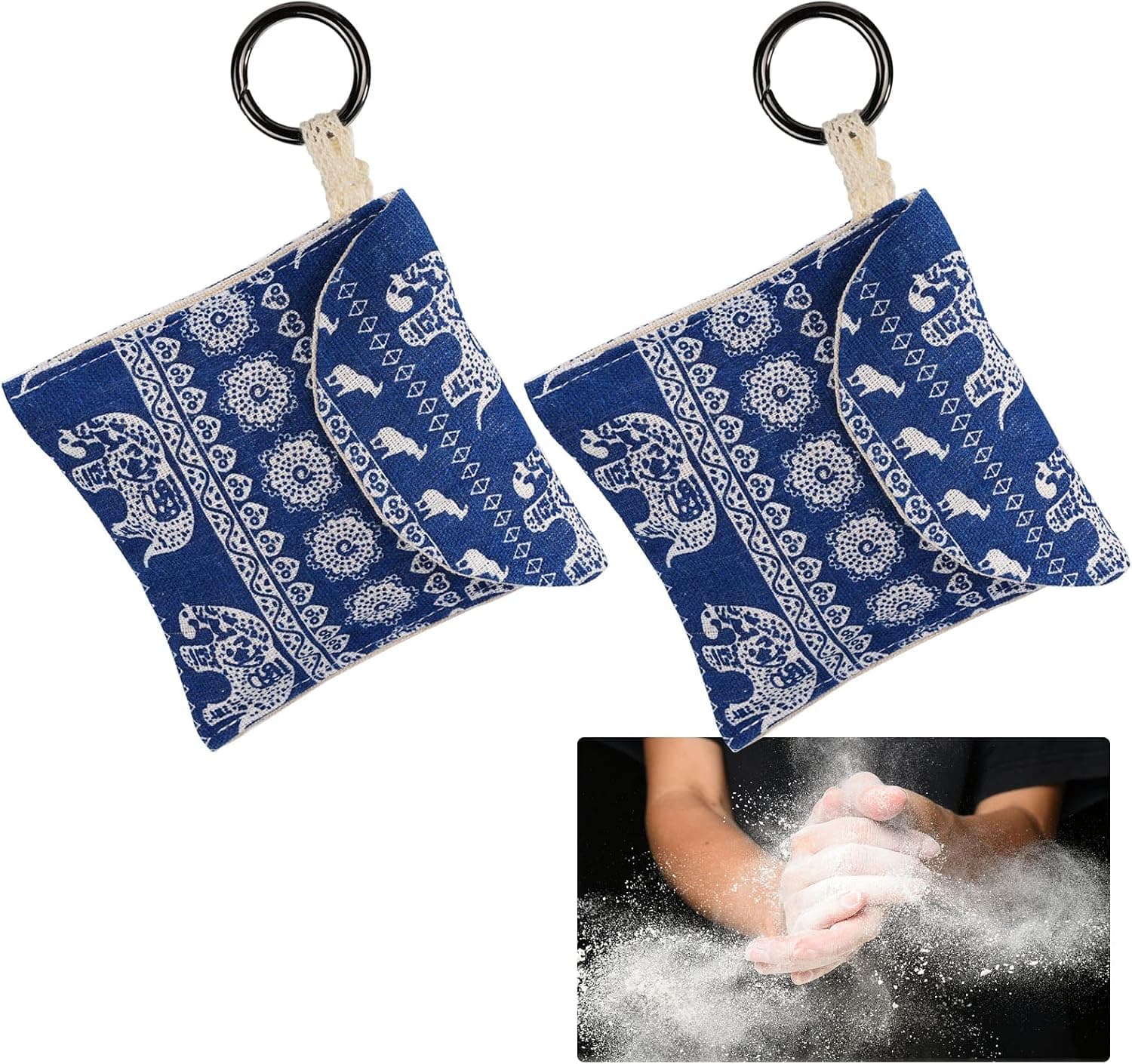
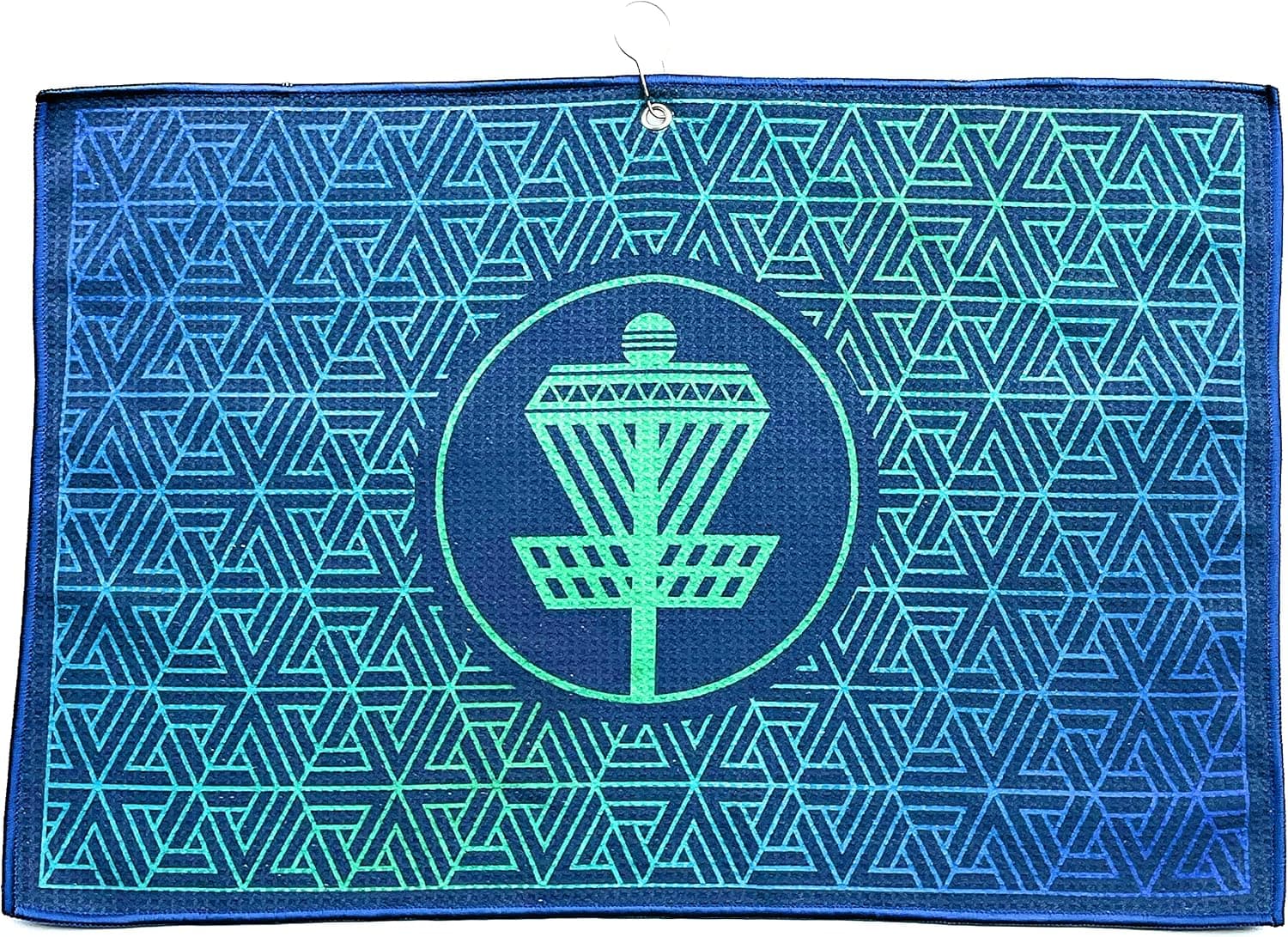
A good grip fails quickly when the disc or your hand is wet. The basic kit is a towel on the bag to dry the disc before every throw and a second, dry towel kept inside the bag for your hands. A grip bag, a small sack of drying powder or clay beads that you squeeze before a throw, takes sweat and light moisture off the fingers and is a common grip aid in hot or humid weather.
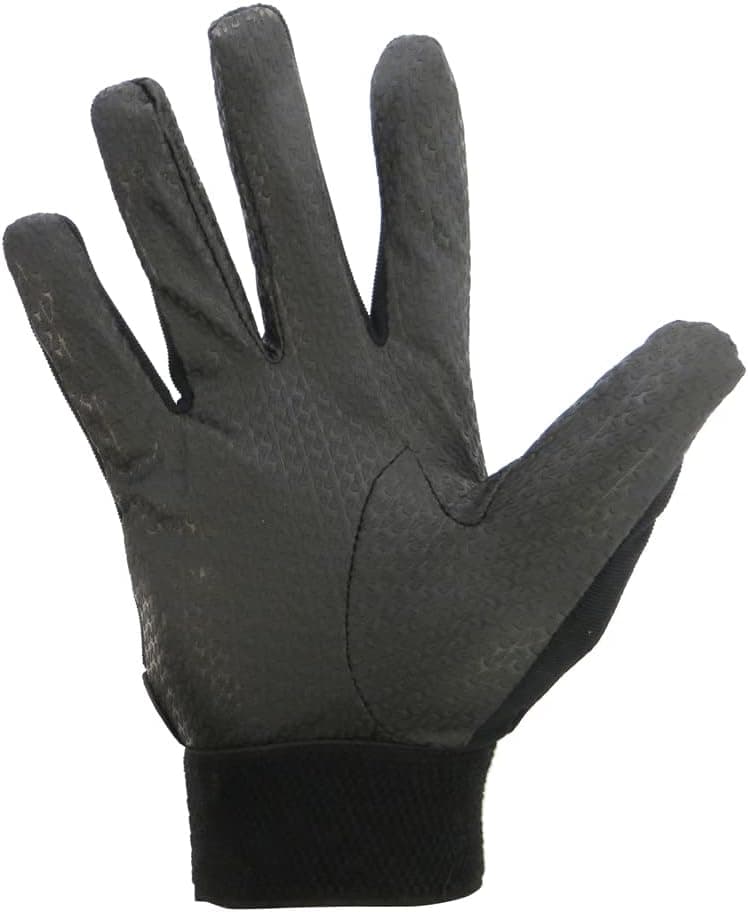
In cold weather the plastic stiffens and fingers lose feel. Keep the throwing hand warm between shots with a hand warmer in a pocket, and consider a thin glove: some players throw in a grippy glove, others wear one only between throws. Softer, tackier plastics are easier to hold in the cold and wet than hard, glossy premium blends, so a soft putter and a grippy driver are worth carrying on bad-weather days.
Frequently asked questions
What is the best disc golf grip for beginners? Start with the power grip for backhand drives and the fan grip for putting. If the power grip feels cramped or the disc wobbles, try the modified fan grip on midranges and putters first, since it is easier to release cleanly, then move back to the power grip as your drives get faster.
Where should my thumb go on a disc golf disc? On top of the flight plate, close to the rim and roughly above your index finger for a backhand. Many players find that a thumb placed nearer the edge helps keep the nose of the disc down, while a thumb placed toward the center tends to lift it, so small changes are worth trying if your drives climb and stall.
How tight should I grip a disc golf disc? Firm in the fingers, relaxed in the wrist and arm. The disc should not move in your hand during the reach back, and the squeeze should be strongest at the moment of release. If your forearm is tense before the throw starts, you are gripping too hard.
Do I need a different grip for a forehand? Yes. A forehand uses two fingers against the inside of the rim with the thumb on top, either stacked together for power or split with the index finger on the flight plate for control. The backhand power grip and fan grip do not carry over.
Products from this article
The highest-scoring picks from the buying guides mentioned above. Scores are our editorial assessment, not customer ratings.
+ 2 Pack gives a spare for your bag or a playing partner
From our guide: Best Disc Golf Grip Enhancers
+ Pair covers both hands for warmth and grip on cold rounds
From our guide: Best Disc Golf Gloves
+ 15x23 in size is large enough for drying discs and hands
From our guide: Best Disc Golf Towels
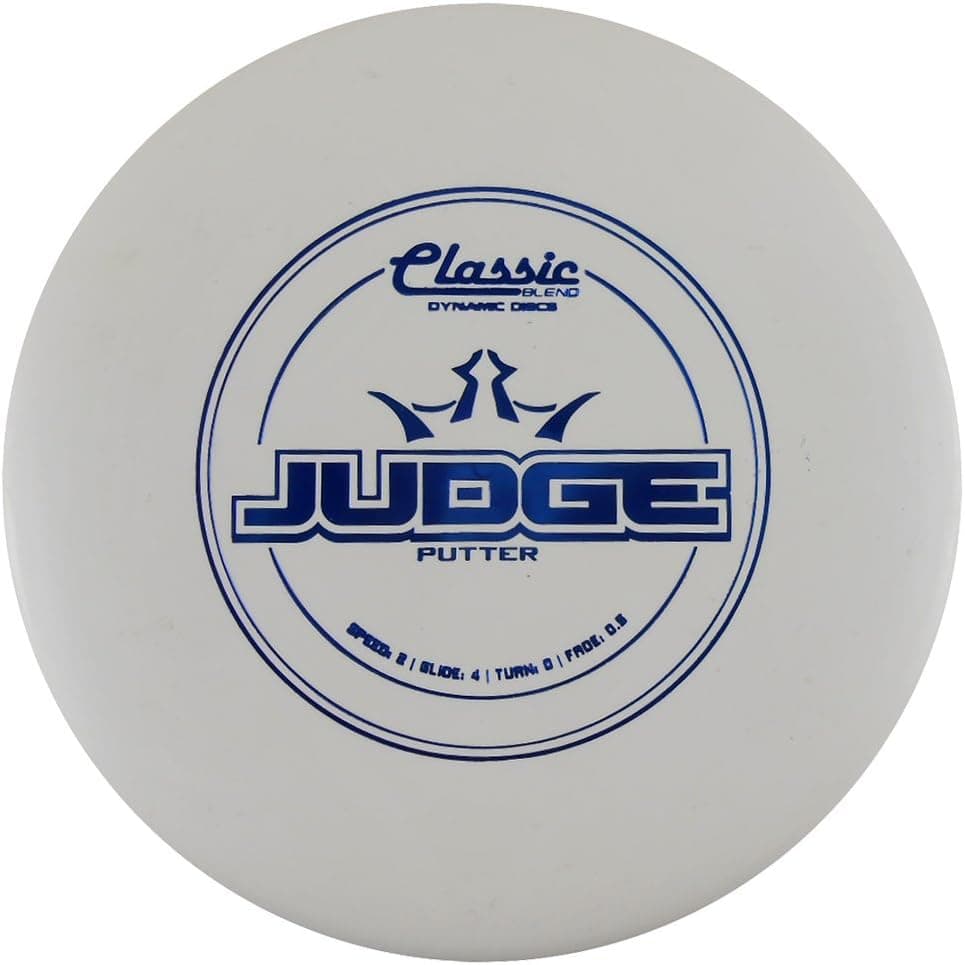
+ Classic Blend is soft and grippy, grabbing chains nicely on putts
From our guide: Best Putting Putters
Popular right now
- Best Overstable Drivers for Disc GolfBuying guide
- Backhand Form BasicsArticle
- Best Soft Putters for Disc GolfBuying guide
- Setting Up Backyard Practice for Putting and Short ApproachesArticle
- Disc Golf Weight and Diameter ChartArticle
- Understanding Stability and How Discs Age With UseArticle
Based on the last 28 days of search and visitor data.