Setting Up Backyard Practice for Putting and Short Approaches
Published Updated How we research
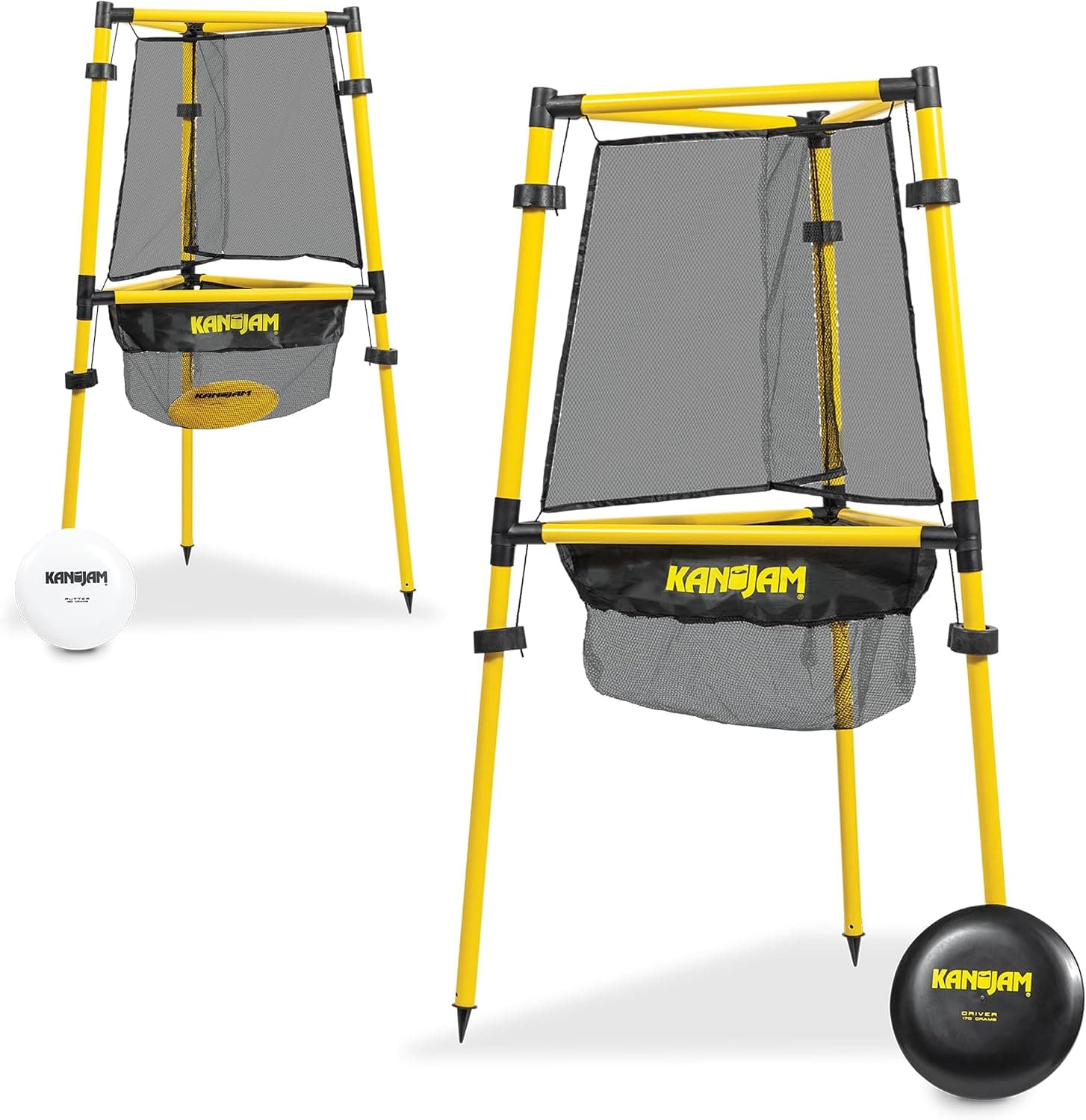
A portable practice basket, or a bucket or marked fence target, gives you a defined aim point for putting practice. Place it with something safe behind it, angled so misses run parallel to a fence rather than toward a house. Mark five, seven, and ten meter distances so practice transfers to real course feel. A good routine is ten putts from each distance plus a pressure set of five in a row. Own ten to twelve identical putters to triple your reps per session, and add variety like kneeling putts or slope throws. Lighting extends practice into winter evenings, and keeping the setup permanently ready maximizes how often you actually use it. Most of the shots that determine your score happen within thirty meters of the basket, and almost all of them can be practised in a small outdoor space. A backyard setup removes the biggest barrier to improvement, which is the effort of driving to a course. Even a modest garden or a driveway can support meaningful practice if you plan it around putting and short approaches rather than distance.
Products from this article
The highest-scoring picks from the buying guides this article links to. Scores are our editorial assessment, not customer ratings.
+ 2 quick pop-up baskets set up in seconds for a mini yard course
From our guide: Best Backyard Disc Golf Course Kits
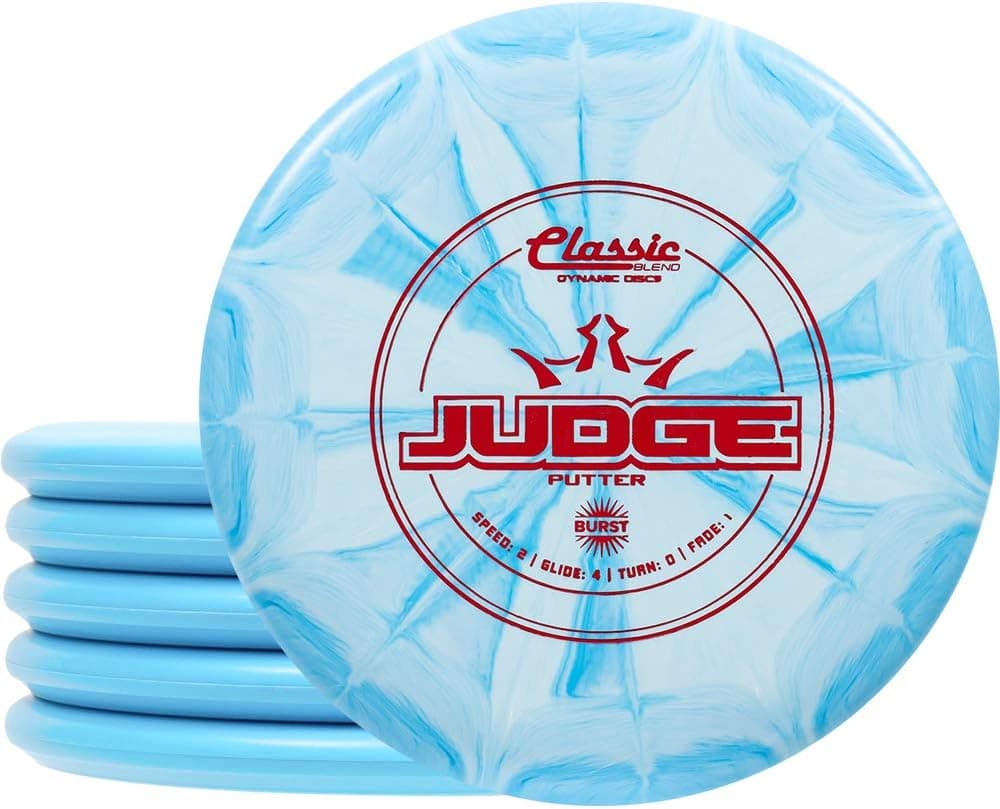
+ 5-Pack of Judges builds a real practice stack in one purchase
From our guide: Best Home Disc Golf Putting Setup
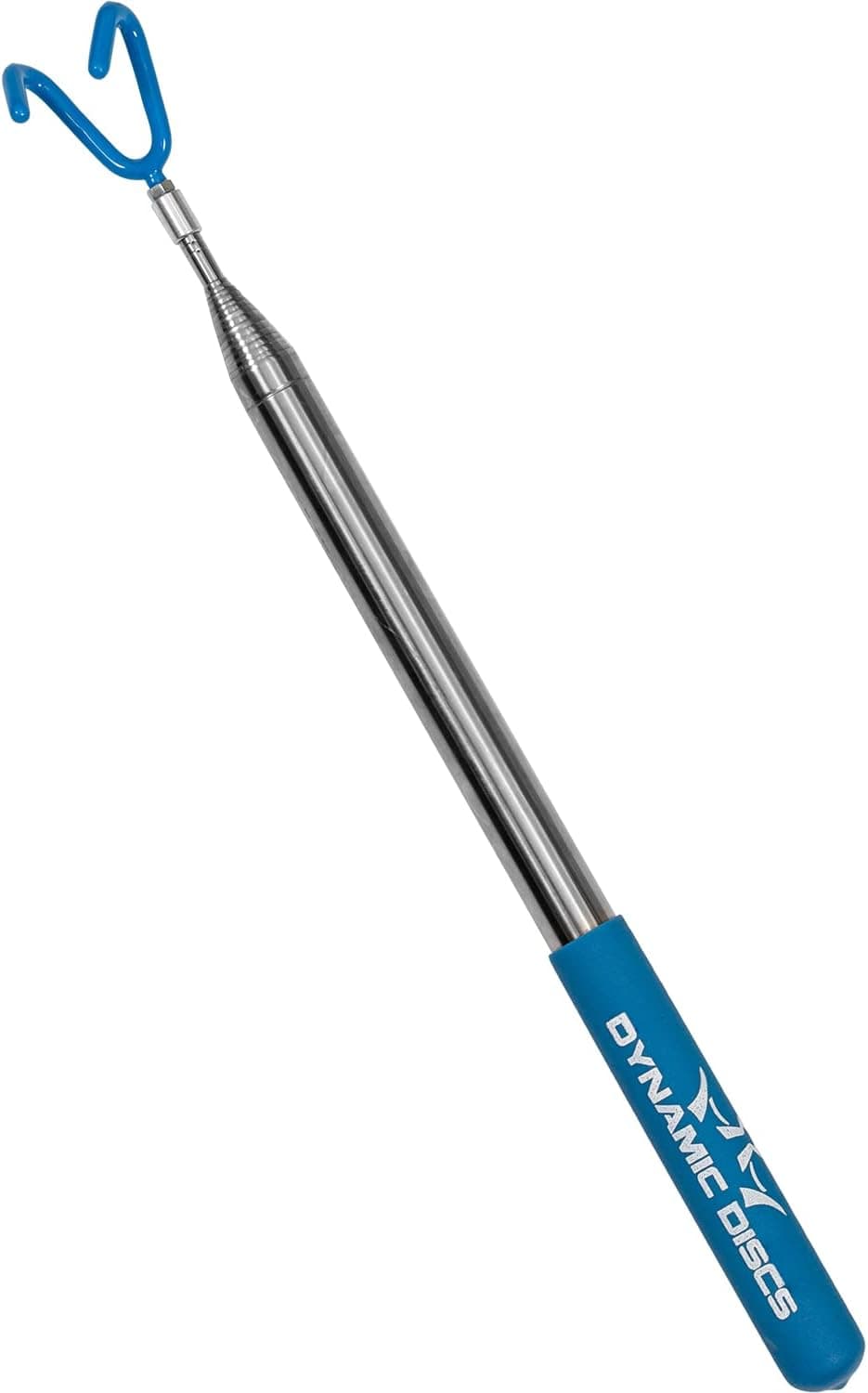
+ 16 ft reach recovers discs from ponds and deep creeks
From our guide: Best Disc Golf Accessories
+ 27 heavy-duty metal chains catch putts much like a course basket
From our guide: Best Portable Disc Golf Baskets
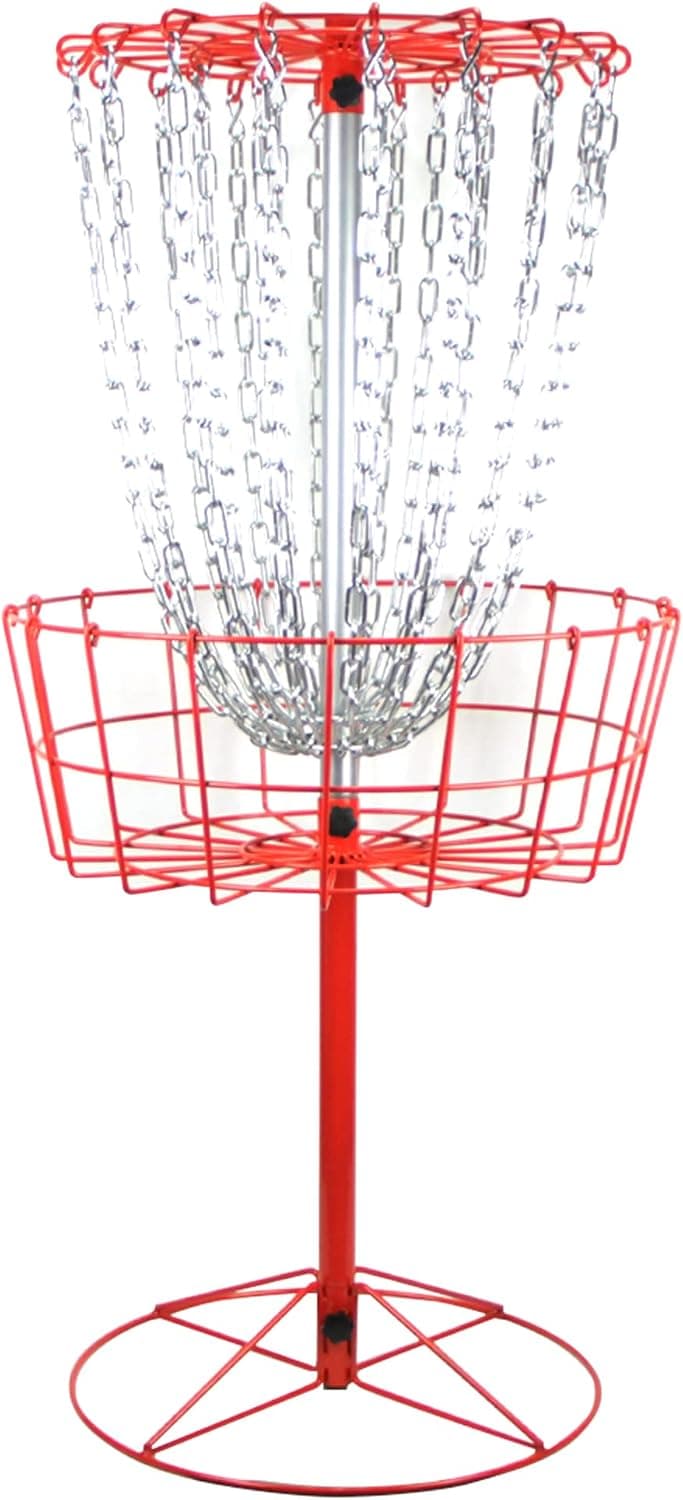
The centrepiece is a target
The centrepiece is a target. A portable practice basket is the ideal purchase, and prices range widely. Lighter practice models are easy to move and fold away, while heavier permanent baskets feel closer to what you find on a course. If a basket is out of budget, a large bucket, a laundry basket, or a marked target on a fence all work for aim training. The key requirement is a defined aim point rather than a general direction.
Place the target thoughtfully for safety
Place the target thoughtfully. Behind it you want something that stops discs safely: a hedge, a fence, a net, or a blanket hung on a frame. Discs that miss a basket can travel a surprising distance, and the first broken window turns a practice setup into a family dispute. Consider where a disc will go if you release badly, not just where it will go on a good throw. Angling the target so misses run parallel to a fence rather than toward a house is a simple, effective precaution.
Mark your distances
Mark your distances. Paint small marks, place stones, or use garden features to identify five, seven, and ten meter positions. Practising from measured, consistent distances is what makes practice transfer to the course, because you learn what specific ranges feel like. Random practice from random spots builds much less usable feel.
Build a routine that fits the space you have
Build a routine that fits the space you have. A good short session is ten putts from each of three distances, then a pressure set where you must make a run of five in a row before stopping. If you have thirty meters of space, add short approach throws with a putter, focusing on landing softly near the target rather than hitting it. Both drills take ten to fifteen minutes and can be done most days.
Own enough putters to make sessions efficient
Own enough putters to make sessions efficient. Ten to twelve identical putters lets you throw a full station before walking to collect them, which roughly triples the number of repetitions per session. Buying used putters in bulk is inexpensive, and they do not need to be pristine since practice putters take a beating. Add variety so the setup does not become one-dimensional. Practise from a straddle stance, from a kneeling position, and from a slope if your garden has one. Throw a few putts into a headwind on breezy days. Try short hyzer and anhyzer approaches around a tree or a corner of the house. Every awkward situation you rehearse at home is one you have already seen when it appears on the course.
Lighting and readiness extend how much you practise
Lighting extends the season considerably in northern climates. A simple outdoor light or even a work lamp lets you practise through dark winter evenings, which is exactly when most players lose their touch. Glow discs and a UV light are a fun alternative and make finding stray discs in the dark far easier. Finally, keep the setup ready to use. A basket that must be assembled each time will be used a quarter as often as one that stands permanently. Keep a bucket of putters by the door. The whole value of backyard practice is that it lowers the friction between deciding to practise and actually throwing, and every step you remove from that process gets you more repetitions.
Frequently asked questions
What do I need for a backyard disc golf practice setup? A portable practice basket, or a substitute like a bucket or marked fence target, plus something safe behind it like a hedge or fence to stop missed throws.
How far should backyard disc golf putting practice distances be? Mark five, seven, and ten meter positions, since practising from measured, consistent distances is what makes the feel transfer to the course, unlike random practice from random spots.
How many putters should I own for practice? Ten to twelve identical putters lets you throw a full station before walking to collect them, roughly tripling the number of repetitions per session compared to using just one or two.
How do I make sure a backyard disc golf practice setup gets used? Keep it permanently assembled and ready, since a basket that must be set up each time gets used far less often than one that stands ready, and lighting extends practice into dark evenings.
Laying out a mini backyard course
If you have more than one target, a mini course turns putting practice into something closer to a real round. Place a basket or target at one end and pick two or three tee spots at different distances and angles, so each hole asks for a slightly different shot. Short holes that force an anhyzer, a hyzer, or a throw around a tree teach far more than one straight line repeated.
Use the features you already have. A tree, a shed corner, or a garden bed can act as an obstacle or a mandatory line, and slopes are valuable because putting uphill and downhill feels very different. Mark tees with a paver, a flat stone, or a small mat so you can repeat each hole exactly and see your progress over time.
Think about neighbors and passers-by before finalizing the layout. Keep every throwing line pointed away from property lines, windows, cars, and paths, and keep holes short enough that a bad release still lands in your own yard. A mini course that stays inside your property gets used for years, while one that sends discs over the fence gets shut down quickly.
How far from the basket should you practice?
Start close and move back as your make rate allows. A common starting point is 10 to 15 feet (3 to 4.5 m), where most beginners can build a clean, repeatable stroke. Once you are making most of them, step back to 20 feet, then to 33 feet (10 m), which is the edge of Circle 1 under PDGA rules. Circle 1 putting is where the scoring happens, so it deserves the most reps.
Circle 2 runs from 33 feet out to 66 feet (20 m). Few backyards have room for it, and it is not essential. If you do have the length, a few putts from 40 to 50 feet are useful for learning how much harder the stroke has to work, but keep most of your session inside Circle 1. Pace the distances out once and mark them, so you do not drift closer without noticing.
How much room does a practice basket need?
Plan on a straight lane at least as long as your farthest putting mark, plus a few feet behind the basket for misses. For putts out to 33 feet, a lane of about 40 feet is enough. Keep the lane clear of windows, cars and walking paths, and put a fence, hedge or net behind the target rather than open space.
If the yard is too short, a basket in a garage, a spare room or on a driveway still works for 10 to 20 foot putts. Indoors, a putting mat or a quiet-chain setup keeps noise down and gives you a stance surface that does not slip.
Quick answers
How far should a disc golf basket be for putting practice?
Practise from about 3, 5, 7 and 10 metres (10, 16, 23 and 33 feet). Most putts made in rounds are inside 10 metres, so mark those distances and practise each regularly.
How much space do you need for a backyard disc golf setup?
For putting practice, a clear strip of about 10 to 12 meters (roughly 35 to 40 feet) in front of the target is enough to cover the most common putting distances, plus room behind it for misses. Short approach practice needs more length, but even a small yard supports a useful putting station if you have a safe backstop.
Can I set up a backyard disc golf course with more than one basket?
Yes. Two or three targets let you create short holes with different tee spots, angles, and obstacles, which makes practice feel more like a round. Keep every throwing line pointed away from windows, fences, and neighbors, and mark tees with a stone or paver so you can replay each hole the same way.
What can I put behind a disc golf basket to stop missed putts?
A hedge, a solid fence, or a practice net all work well. A heavy blanket or tarp hung on a simple frame is a low-cost option that also protects discs from hard surfaces. Whatever you use, make it wider than the target, because misses often skip left or right rather than straight back.
Is a disc golf practice net useful in a backyard?
A net is great for form work when you do not have room for full throws. You can practice drives, grips, and release angles into a net from a few meters away without chasing discs across the yard. It will not teach flight paths or distance control, so pair it with putting and short approach practice.
Popular right now
- Best Soft Putters for Disc GolfBuying guide
- Best Overstable Drivers for Disc GolfBuying guide
- Disc Golf Weight and Diameter ChartArticle
- Backhand Form BasicsArticle
- Best Fairway Drivers for Disc GolfBuying guide
- Best Understable Drivers for Disc GolfBuying guide
Based on the last 28 days of search and visitor data.