Understanding Stability and How Discs Age With Use
Published How we research
Stability describes how much a disc resists turning, but it's not fixed: it depends on the interaction between the disc and the thrower's speed and spin. Rim width, weight, and dome shape all influence a mold's inherent stability. Discs become more understable with wear from tree hits and ground scrapes, a process that happens fast in baseline plastic and slowly in premium plastic. Manage your bag as a moving system, shifting beaten discs into new understable roles rather than discarding them. Headwinds make discs act more understable and tailwinds more overstable, so carry at least one clearly overstable and one understable disc for any conditions. Stability is the single most useful concept in disc golf, and it causes more confusion than any other. It describes how a disc resists turning over during flight. An overstable disc fights the turn and finishes hard to the left for a right-handed backhand throw. An understable disc turns easily to the right. A stable disc sits between them and flies relatively straight. Once you can look at a disc and predict which of those it is, choosing shots becomes far simpler.
Products from this article
The highest-scoring picks from the buying guides this article links to. Scores are our editorial assessment, not customer ratings.
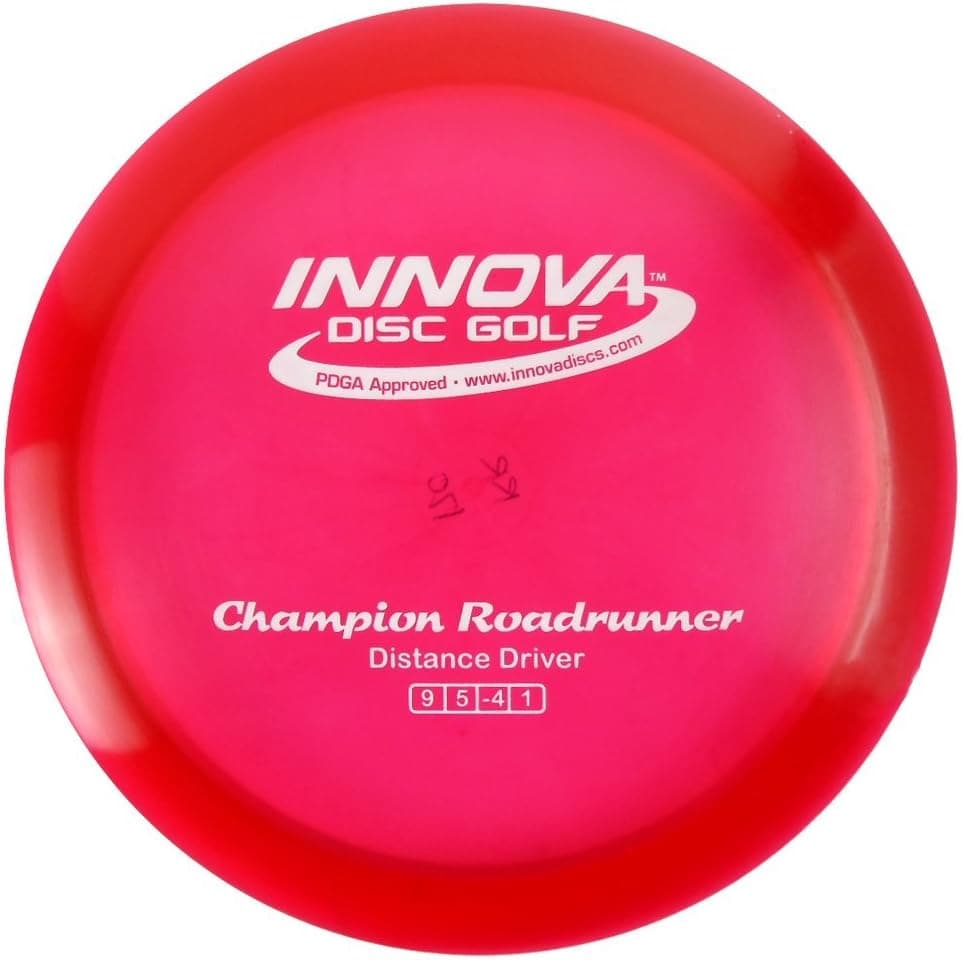
+ Roadrunner turns over smoothly, giving lower-power players extra distance
From our guide: Best Understable Drivers for Disc Golf
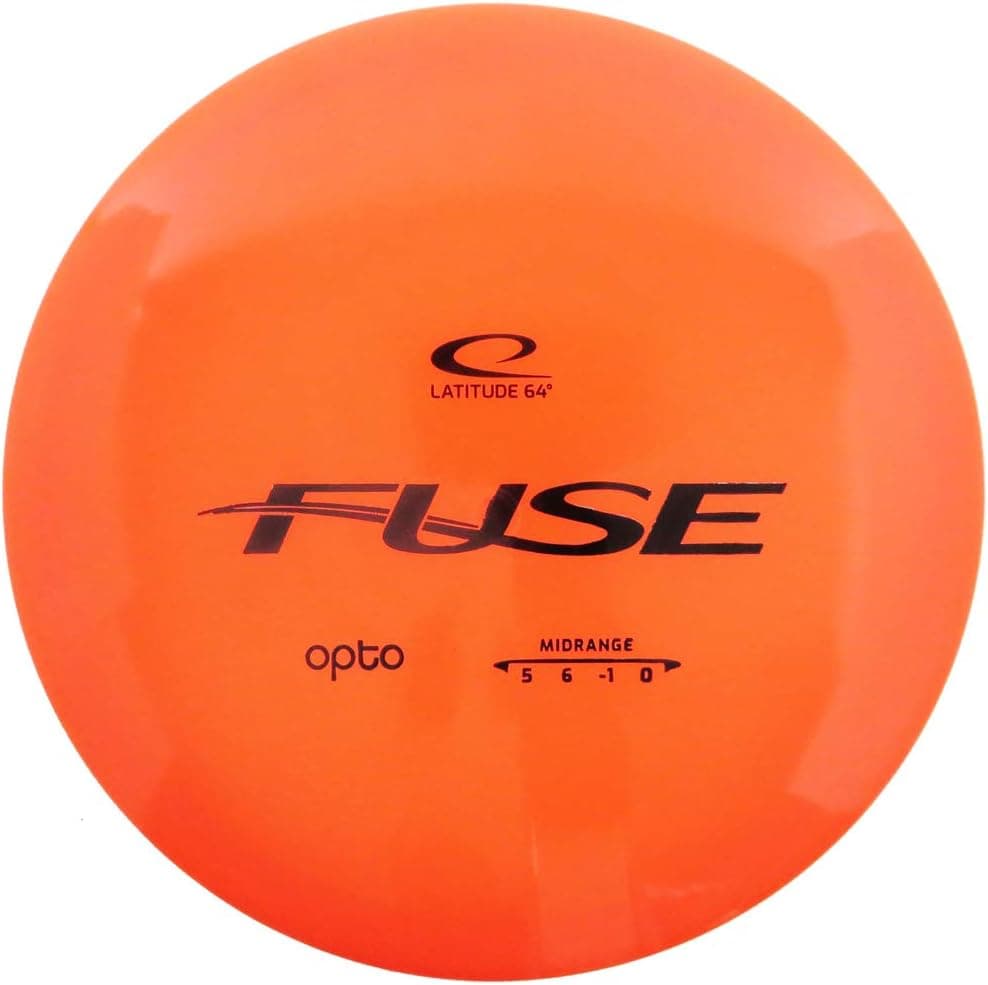
+ Fuse offers a gentle turn and straight finish for tunnel shots
From our guide: Best Understable Midranges
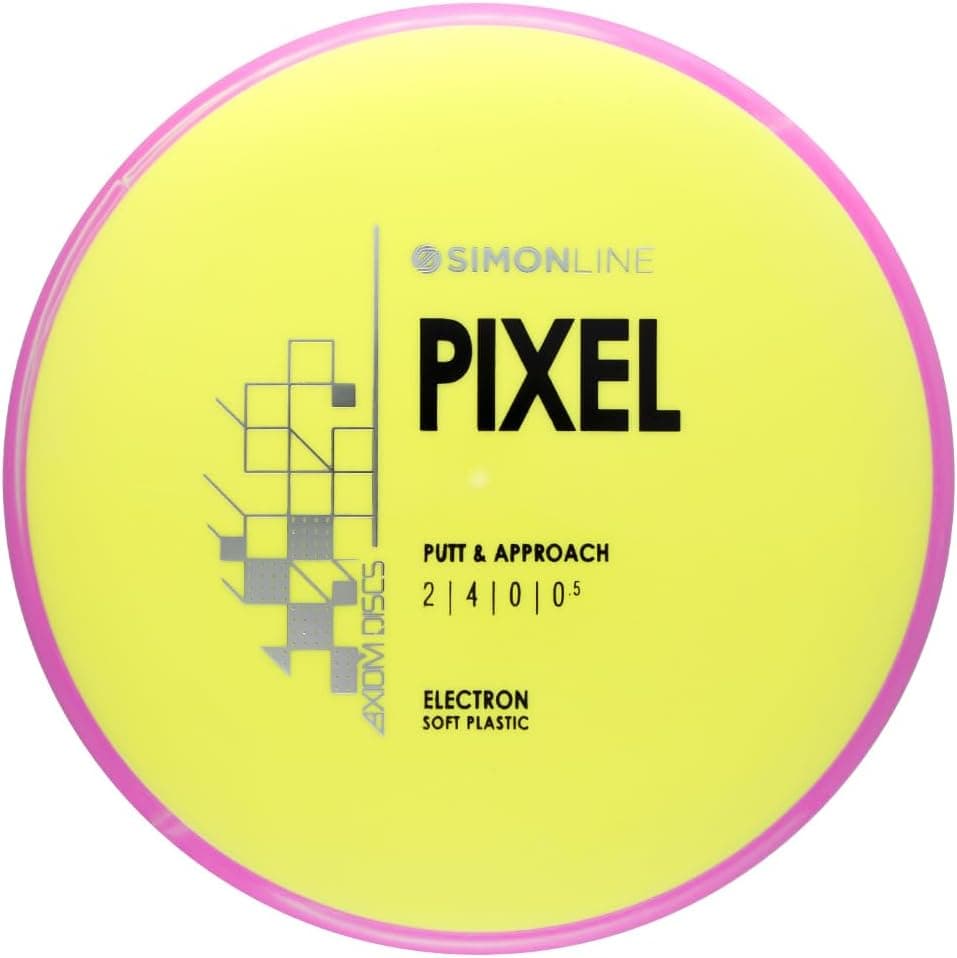
+ Pixel has a neutral, straight flight built mainly for confident putting
From our guide: Best Disc Golf Putters
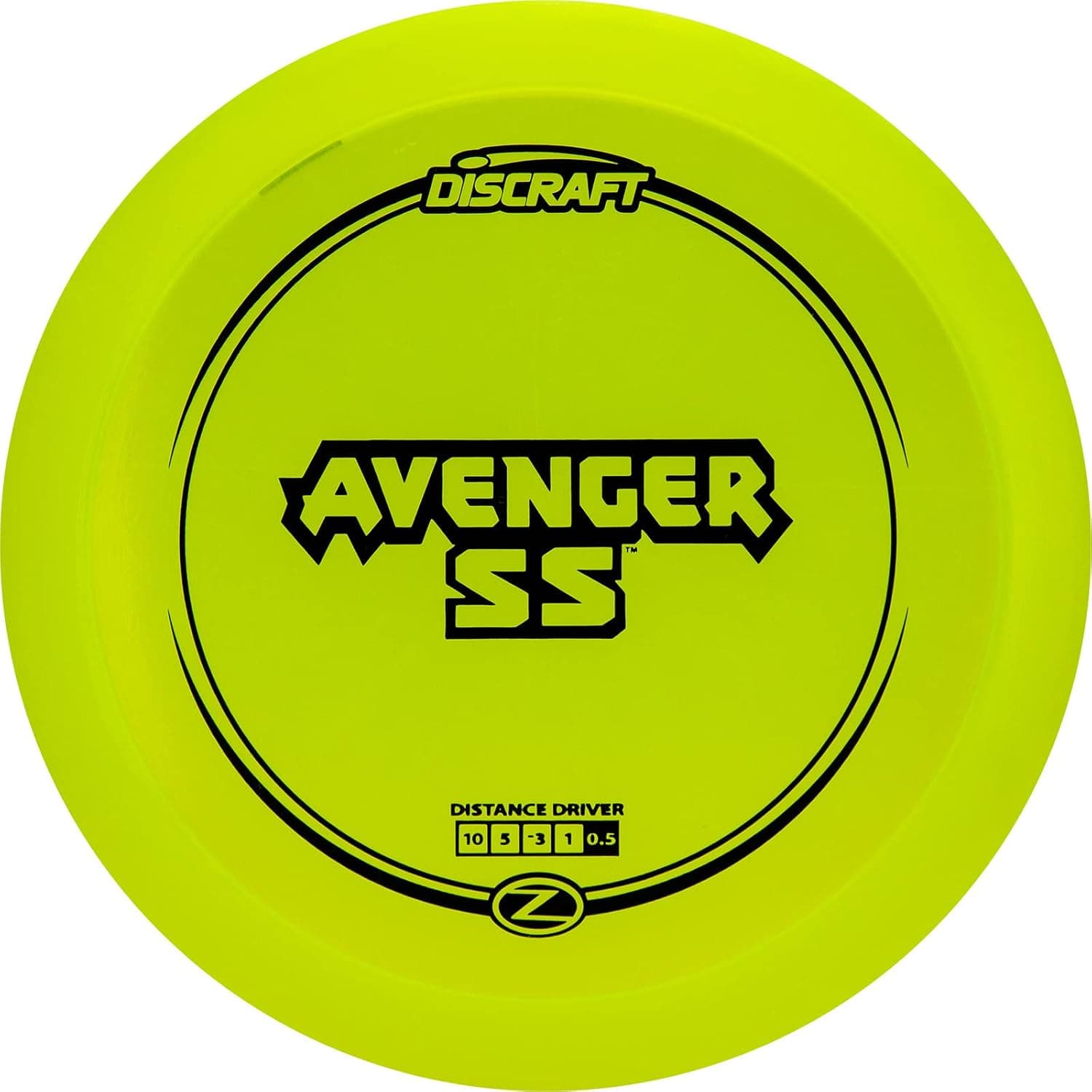
+ SS version turns more than the standard Avenger for easy hyzer flips
From our guide: Best Understable Drivers for Disc Golf
Stability depends on the thrower, not just the mold
Stability is not a fixed property of a mold, it is the result of an interaction between the disc and the thrower. The same disc can be overstable for one player and understable for another, because stability depends on the speed and spin applied at release. This is why advice like a certain disc being a straight flyer should always be read as straight for someone with a particular arm speed. A driver that flies dead straight for a strong player will hook left for a beginner, and one that flies straight for a beginner will turn over and roll for the strong player.
Several physical factors influence stability
Several physical factors influence stability. Rim width and shape matter most, with wider, sharper rims requiring more speed. Weight matters, since a lighter disc of the same mold is generally more understable. The dome of the flight plate matters too: flatter discs tend to be more overstable, domier ones more understable and glidey. Even production variation between runs of the same mold produces noticeable differences, which is why experienced players talk about a particular run being more stable than another.
Aging is where stability gets interesting
Aging is where stability gets interesting. Every tree hit, ground scrape, and hard landing wears the disc slightly, and the cumulative effect is that discs become more understable over time. A driver that started as a reliable straight flyer will, after a season of wooded rounds, begin turning to the right. This is not damage in the negative sense. Many players deliberately keep beaten discs because a well worn disc produces long, gentle turnover lines that no fresh disc can match.
How fast a disc beats in depends on plastic
How fast a disc beats in depends on plastic. Baseline plastics change noticeably within weeks of regular play. Mid-grade plastics take a season or more. Premium plastics can stay close to their original flight for years, which is exactly why players buy premium versions of discs they want to remain consistent. Choosing plastic is therefore also a choice about how quickly you want the disc's character to change.
Manage your bag as a moving system
The practical implication is that your bag should be managed as a moving system rather than a fixed set. When a disc beats in past the point where it does its job, do not throw it away. Move it into a new role as your understable option, and buy a fresh copy for the original slot. Over time you build a family of the same mold at different wear levels, which is one of the most efficient ways to cover many flight shapes with few decisions.
Stability also determines how a disc handles wind
Stability also determines how a disc handles wind, which is worth planning around. Headwinds make discs act more understable, so overstable discs come into their own. Tailwinds make discs act more overstable, which is when a beaten understable disc shines. Carrying at least one genuinely overstable disc and one clearly understable disc means you always have an answer regardless of conditions. The fastest way to internalize all of this is field work. Take three discs of clearly different stability to an open space and throw each one flat, on hyzer, and on anhyzer. Watching the same release angle produce three different shapes across three discs teaches more in twenty minutes than any amount of reading, and it turns stability from an abstract term into something you can see.
Frequently asked questions
Does the same disc fly the same way for every player? No, stability depends on the speed and spin a thrower applies at release, so a disc that flies dead straight for a strong player can hook left for a beginner, and vice versa.
Why do disc golf discs become more understable with use? Every tree hit, ground scrape, and hard landing wears the disc slightly, and the cumulative effect over a season of play is that discs turn more easily over time.
Does plastic type affect how fast a disc beats in? Yes, baseline plastics change noticeably within weeks of regular play, mid-grade plastics take a season or more, and premium plastics can stay close to original flight for years.
Should I throw away a disc once it beats in? No, move it into a new role as your understable option and buy a fresh copy for the original slot, building a family of the same mold at different wear levels over time.
Popular right now
- Best Soft Putters for Disc GolfBuying guide
- Best Overstable Drivers for Disc GolfBuying guide
- Disc Golf Weight and Diameter ChartArticle
- Backhand Form BasicsArticle
- Best Fairway Drivers for Disc GolfBuying guide
- Best Understable Drivers for Disc GolfBuying guide
Based on the last 28 days of search and visitor data.