Driving for Distance Safely Without Hurting Your Shoulder
Published How we research

Every disc golfer wants more distance, and most of them chase it in the way most likely to cause injury: by throwing harder. Muscling a disc produces short, off-line throws and puts real stress on the shoulder and elbow. Distance in disc golf comes from a sequence of body movements that accelerate the disc efficiently, and the players who throw the furthest usually look like they are not trying at all.
Products from this article
The highest-scoring picks from the buying guides this article links to. Scores are our editorial assessment, not customer ratings.
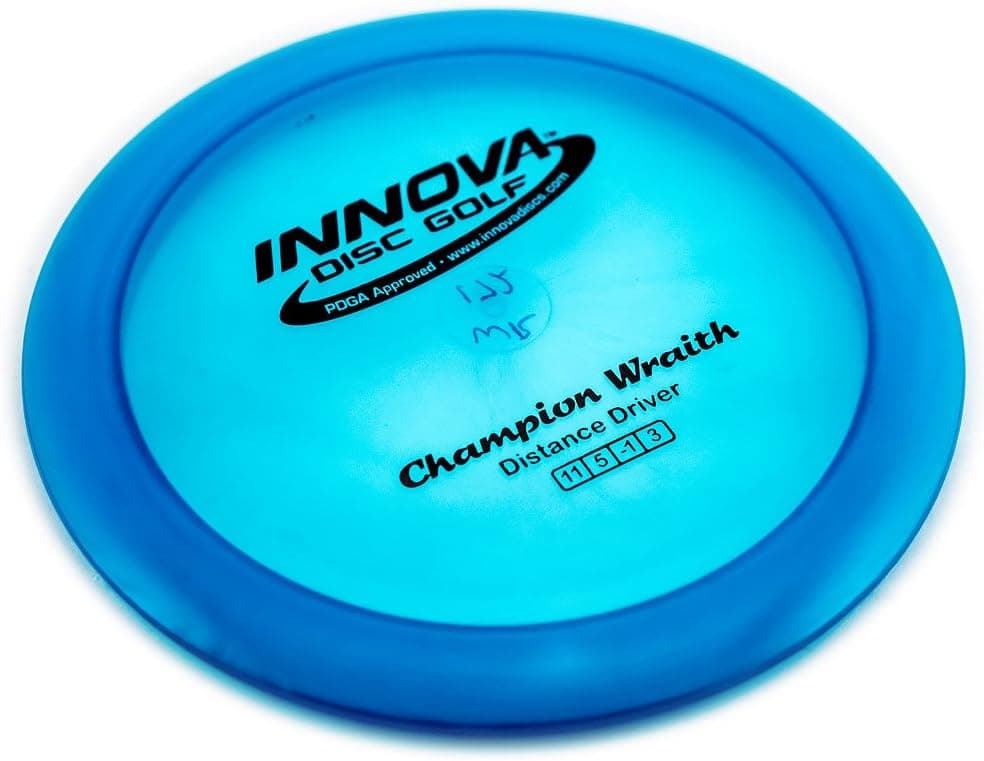
+ Wraith holds a straighter line than the Destroyer before a gentle finish
From our guide: Best Distance Drivers for Disc Golf
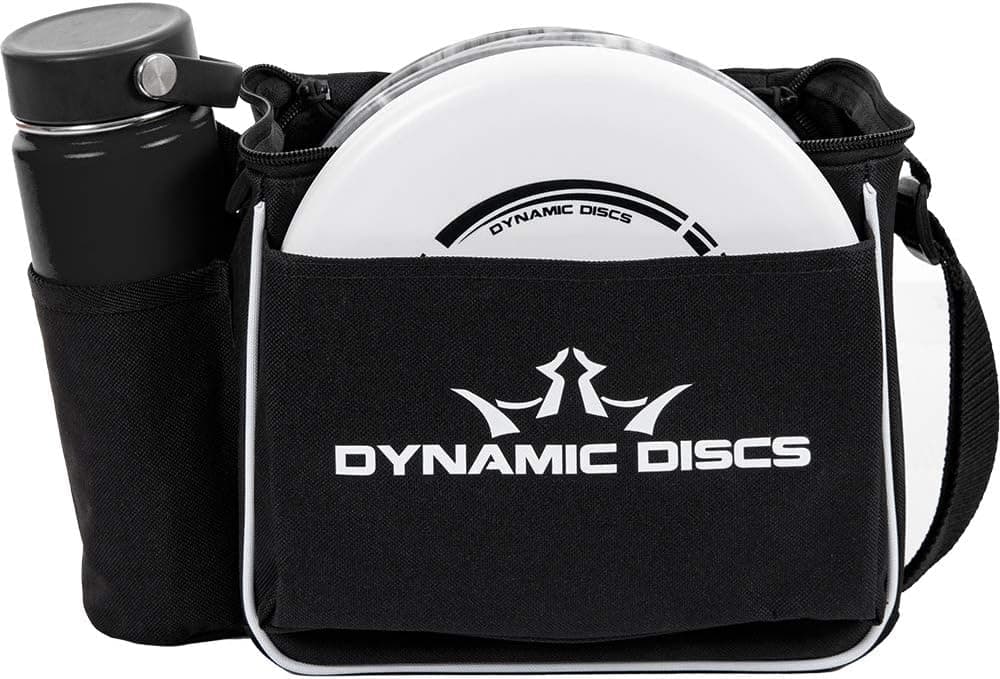
+ 10-12 disc capacity is ideal for beginners and light bags
From our guide: Best Disc Golf Shoulder Bags
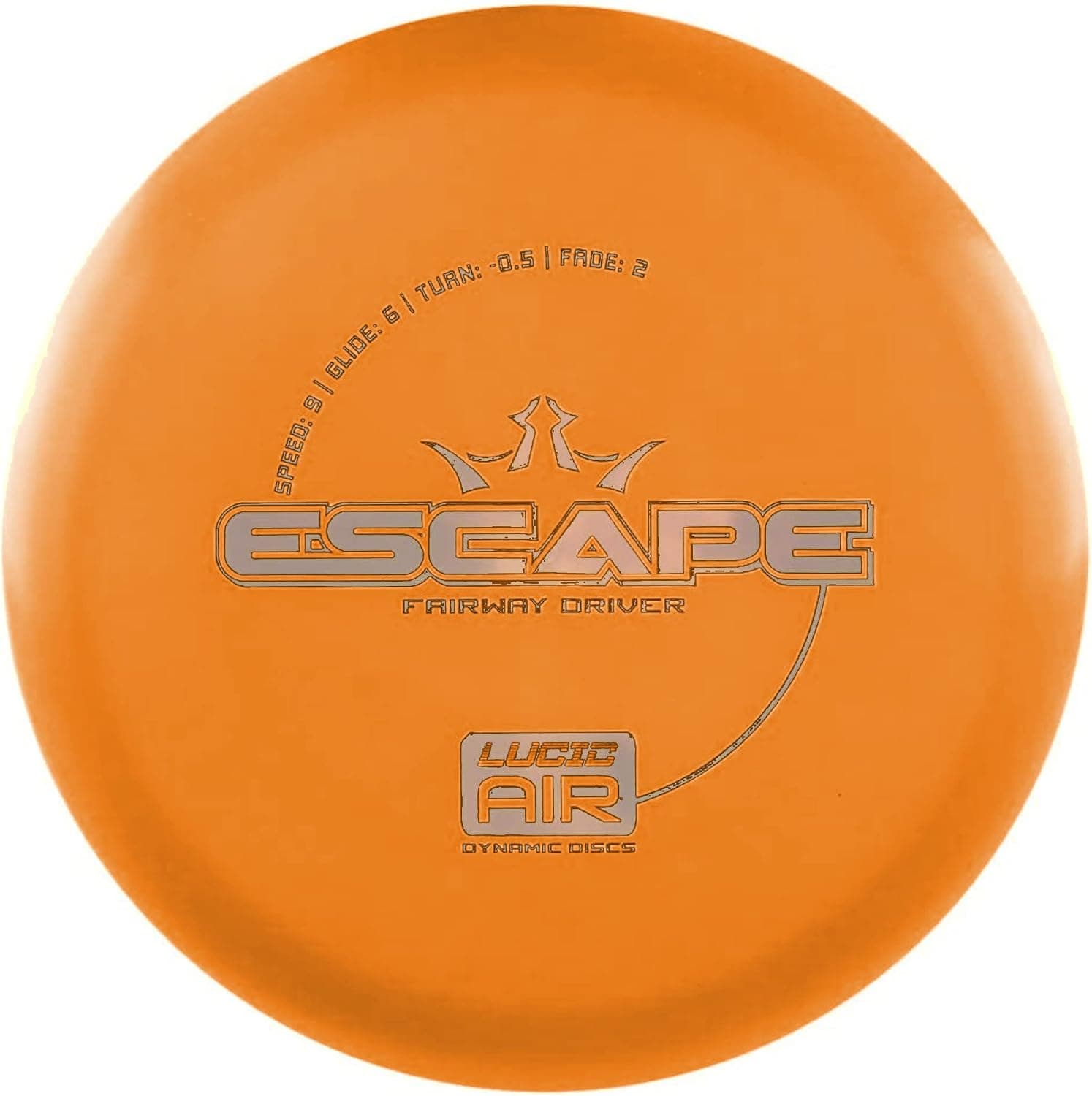
+ Escape is a proven, straight-flying fairway driver that suits many players
From our guide: Best Drivers for Low Arm Speed
+ Destroyer is one of the most thrown max-distance molds, so fading lines are predictable
From our guide: Best Distance Drivers for Disc Golf

The first thing to fix is the idea that the arm produces power. It does not. In an efficient throw, the legs and hips initiate rotation, the torso follows, and the arm is pulled through almost passively before snapping the disc out at the last moment. If your arm is doing the work, you have lost most of your available power before the disc even moves forward. A useful check: throw a standstill drive with only your hips and torso, keeping the arm relaxed. If that throw goes almost as far as your full run-up throw, your run-up is adding nothing but risk.
Grip strength and the final snap are the most underrated distance factors. The disc should leave your hand with high spin, which comes from holding it firmly enough that it must be ripped out rather than released. Practise this at low power. Throw at half effort and listen for a sharp crack as the disc leaves your hand. That sound means good snap. A soft, quiet release means the disc is slipping out early and losing both spin and speed.
Nose angle quietly costs most players a large chunk of distance. If the front edge of the disc is angled upward at release, the disc climbs, stalls, and drops. The fix is to keep the disc level with the plane you want it to travel on throughout the pull, and to avoid pulling upward at the end. Many players discover that lowering their release by a few degrees adds ten meters instantly with no extra effort.
A run-up should be a smooth acceleration, not a sprint. Two or three steps are enough for most players. The purpose is to add momentum and to time your weight shift, not to build speed for its own sake. A rushed run-up arrives at the plant foot out of balance, which forces the arm to compensate. Practise a controlled x-step slowly until the timing feels natural, then gradually add pace.
On the safety side, warm up properly before throwing hard. Arm circles, torso rotations, and a dozen easy putts and midrange throws are enough to get blood into the shoulder and elbow. Skipping this and opening a session with maximum-effort drivers is the classic route to shoulder pain. Similarly, do not throw two hundred maximum-power drives in one field session. Fatigue degrades form, and throwing with degraded form is how injuries and bad habits both develop.
If you feel pain in the front of the shoulder, the inside of the elbow, or the wrist, stop for the day. Persistent disc golf injuries are almost always overuse injuries, and they respond well to rest early and very poorly to being played through. Building general strength in the shoulders, back, and core outside of throwing sessions makes the whole system more resilient. Finally, measure your progress with a tape or a mapping app rather than by feel. Players routinely believe they are gaining distance when they are only throwing with more effort. Objective numbers keep you honest and reveal which technical change actually helped.
Popular right now
- Best Soft Putters for Disc GolfBuying guide
- Best Overstable Drivers for Disc GolfBuying guide
- Disc Golf Weight and Diameter ChartArticle
- Backhand Form BasicsArticle
- Best Fairway Drivers for Disc GolfBuying guide
- Best Understable Drivers for Disc GolfBuying guide
Based on the last 28 days of search and visitor data.