Keeping Score and Rules Basics for Casual Disc Golf Rounds
Published How we research
Disc golf scoring is borrowed almost entirely from ball golf, which makes it easy to learn if you have any exposure to that game and only slightly harder if you do not. Each hole has a par, which is the number of throws a competent player should need to complete it. You count every throw you make, add any penalty throws, and compare the total to par. Lower is better.
Products from this article
The highest-scoring picks from the buying guides this article links to. Scores are our editorial assessment, not customer ratings.
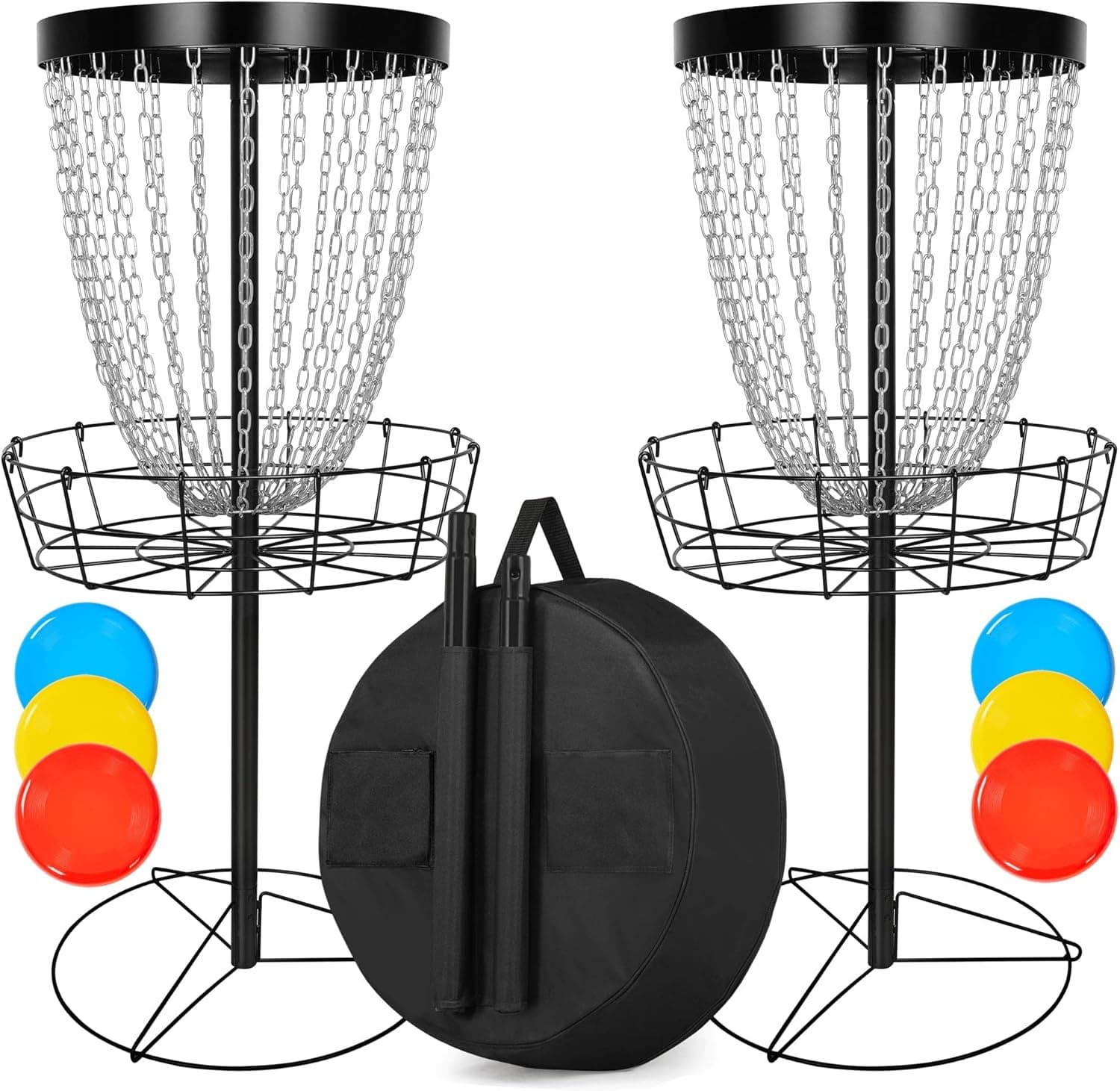
+ 2pcs baskets let you create a mini course or do two-sided putting
From our guide: Best Disc Golf Target Kits
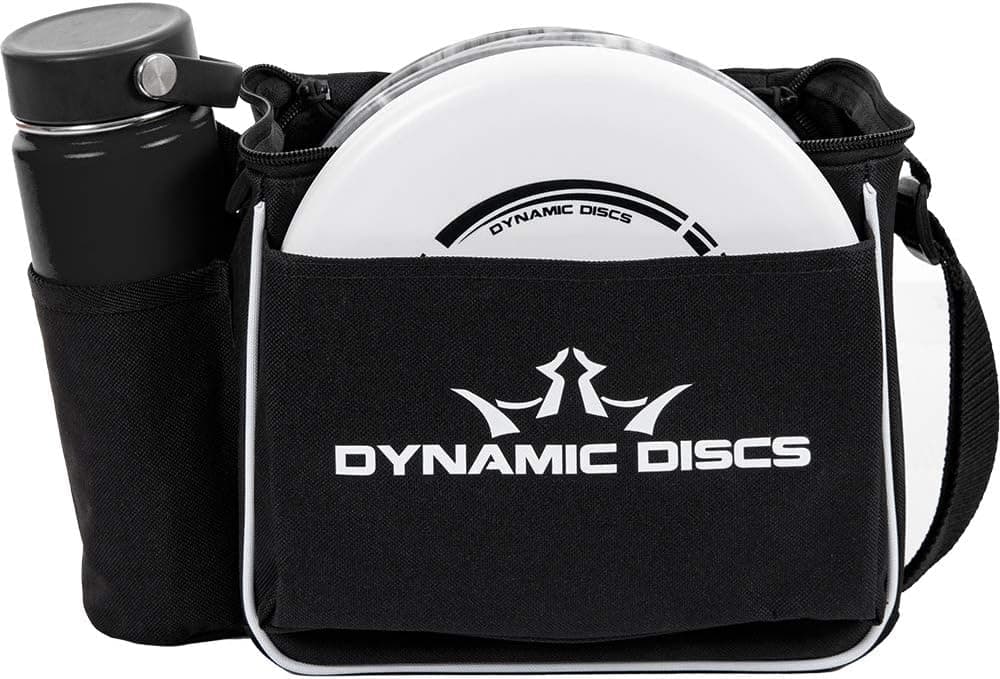
+ 10-12 disc capacity is ideal for beginners and light bags
From our guide: Best Disc Golf Shoulder Bags
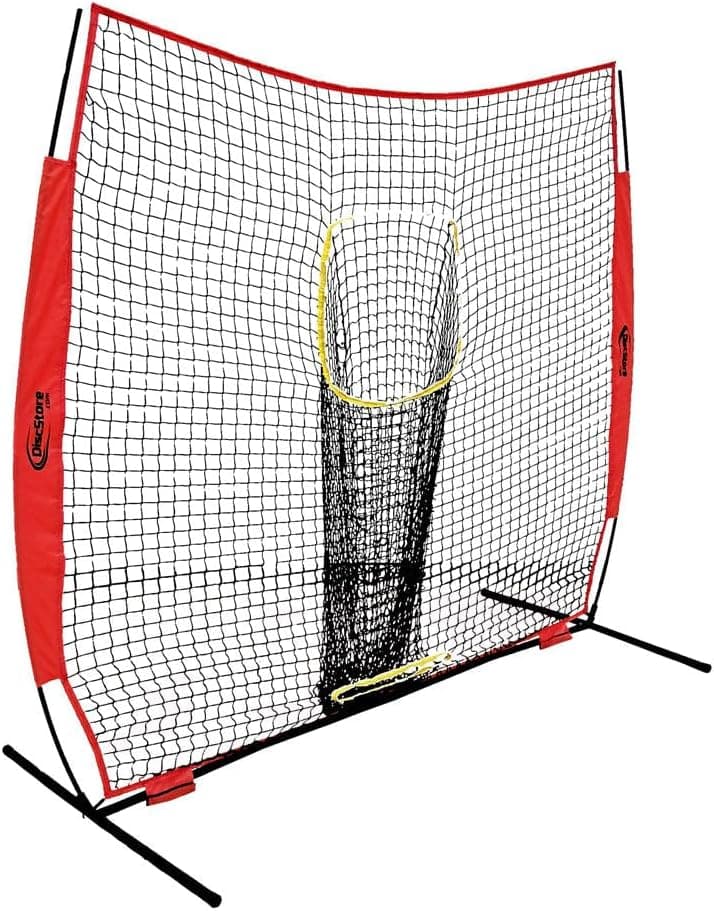
+ 7x7 net catches full-power throws for form practice at home
From our guide: Best Disc Golf Training Aids
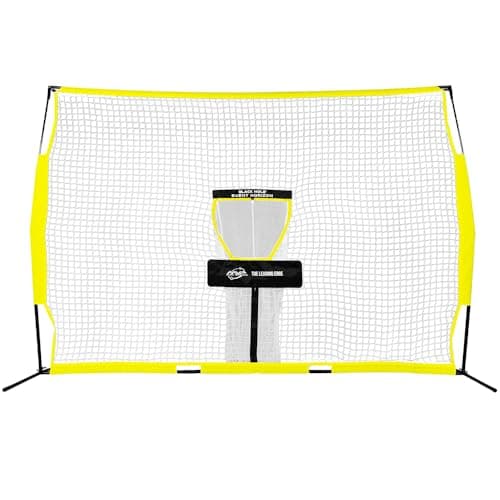
+ Built for disc golf by MVP, with a putting pocket and a pull cord so discs come back without reaching into the net
From our guide: Best Disc Golf Target Kits

Most disc golf holes are par 3, which means an eighteen hole course typically has a par of 54. Finishing a hole in two throws is a birdie, three is par, four is a bogey, and five is a double bogey. Finishing in one throw from the tee is an ace, and it is rare enough that most players remember every one they have ever thrown. Scores are usually recorded relative to par, so a round of 62 on a par 54 course is written as plus eight.
The basic rule of play is that a hole starts with a throw from behind the front edge of the tee pad and ends when the disc comes to rest supported by the basket, either in the chains and dropping into the tray or resting in the tray itself. A disc wedged in the chains above the tray usually counts, but a disc resting on top of the basket does not. Local groups occasionally differ on edge cases, so agree before you start if it matters.
Between the tee and the basket, you throw from where your disc landed. Mark the spot by placing a mini marker disc directly in front of and touching the thrown disc, or simply throw from behind the thrown disc itself. When you throw, at least one supporting point, usually a foot, must be behind that mark and within thirty centimeters of it. This is the rule most casual players are loosest about, and tightening it up is good preparation if you ever plan to play an event.
Out of bounds is the rule that causes the most confusion. If your disc comes to rest out of bounds, whether that is a road, a marked area, or water, you take one penalty throw and play from a lie within one meter of where the disc last crossed the boundary. Some courses use drop zones instead, marked with a sign or a painted area. The key detail is that a disc is out of bounds only if it comes to rest there, so a disc that skips through water and stops on grass is in play.
Mandatories, usually written as mandos, are markers that tell you which side of an object your disc must pass. They exist for safety or to preserve the intended shape of a hole. If your disc passes the wrong side of a mando, you take a penalty throw and play from the designated drop zone, or from your previous lie if no drop zone is marked.
Inside about ten meters of the basket, the putting rule applies: after releasing the disc you must demonstrate balance behind your marker before advancing toward the target. Stepping through immediately after putting is a falling putt violation. This rule catches out almost every new player at least once, and it exists to keep short putts from becoming running throws. For casual rounds, a scoring app makes life easy and also tracks your progress over time, which is genuinely motivating. If you prefer paper, a small scorecard and a pencil in the bag work fine. Either way, count honestly including the throws you would rather forget. Accurate scores are the only way to know whether your practice is working.
Popular right now
- Best Soft Putters for Disc GolfBuying guide
- Best Overstable Drivers for Disc GolfBuying guide
- Disc Golf Weight and Diameter ChartArticle
- Backhand Form BasicsArticle
- Best Fairway Drivers for Disc GolfBuying guide
- Best Understable Drivers for Disc GolfBuying guide
Based on the last 28 days of search and visitor data.