Disc Weight and How to Choose the Right Grams for Your Arm
Published How we research
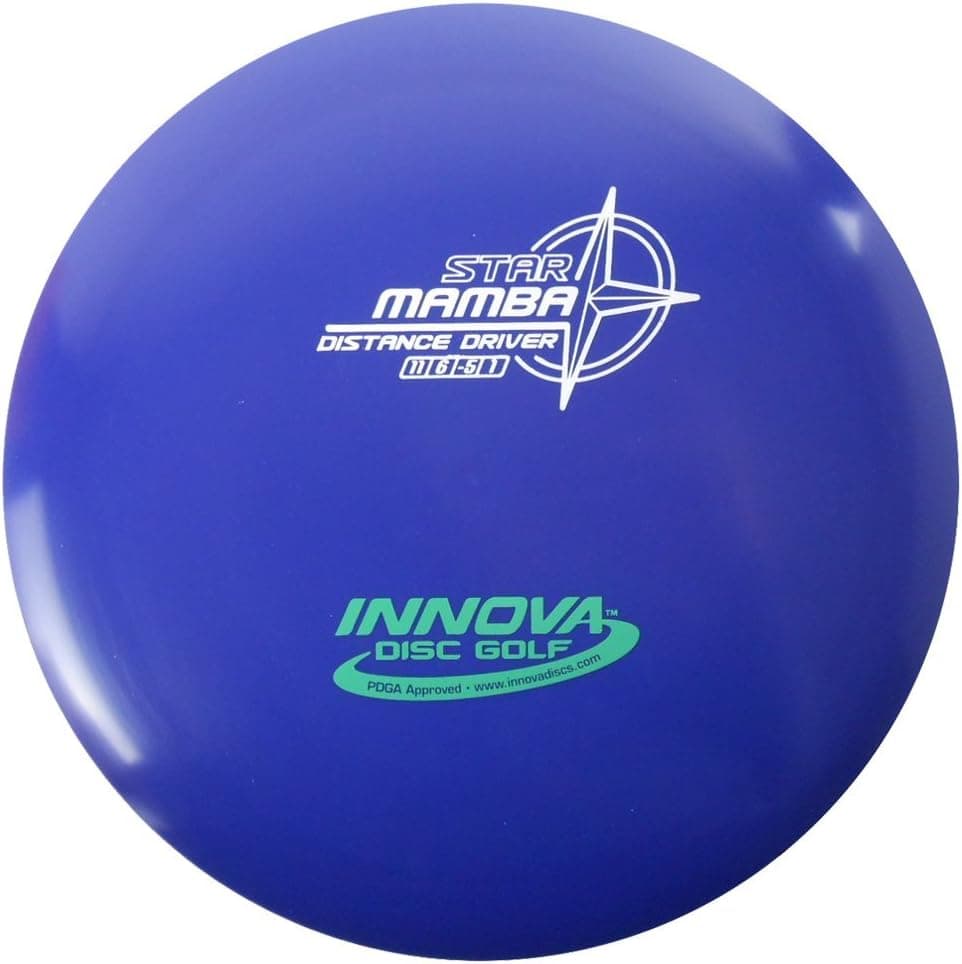
Disc weight is printed in grams on the underside of nearly every disc, usually somewhere between 150 and 180. The maximum weight allowed for a standard disc depends on its diameter, but in practice 175 grams is the common ceiling for drivers and midranges. That thirty gram spread makes a real difference to how a disc flies, and choosing weight thoughtfully is one of the cheapest ways to improve your results.
Products from this article
The highest-scoring picks from the buying guides this article links to. Scores are our editorial assessment, not customer ratings.
+ Escape is a proven, straight-flying fairway driver that suits many players
From our guide: Best Drivers for Low Arm Speed
+ Glide 7 with turn -1 and fade 1 gives long, straight flights without needing much arm speed
From our guide: Best Value Disc Golf Drivers
+ Six Latitude 64 molds cover putting, mids, fairway and distance drives
From our guide: Best Lightweight Disc Golf Sets
+ Opto AIR plastic cuts weight so slow arms can throw noticeably farther
From our guide: Best Drivers for Low Arm Speed
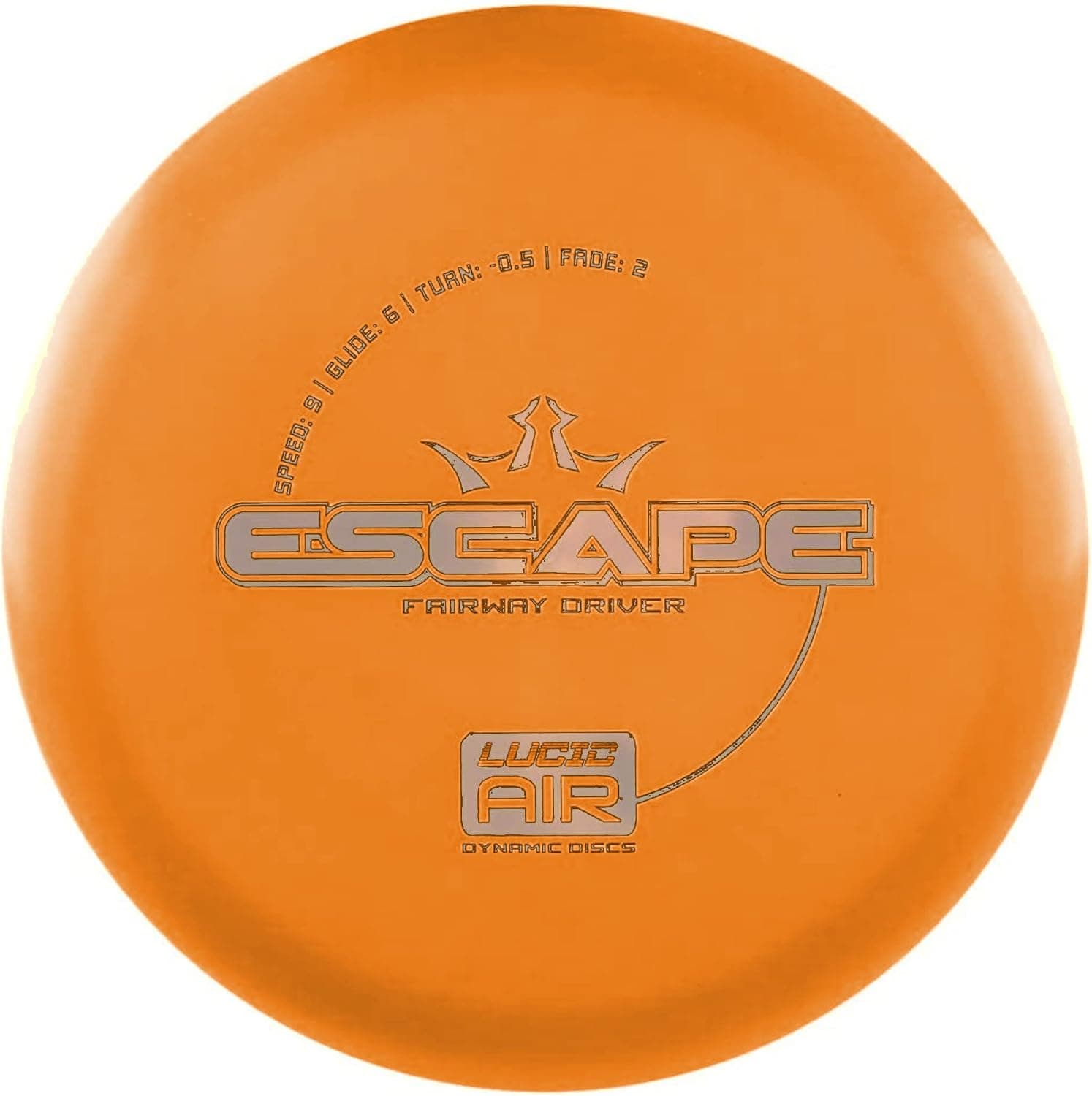
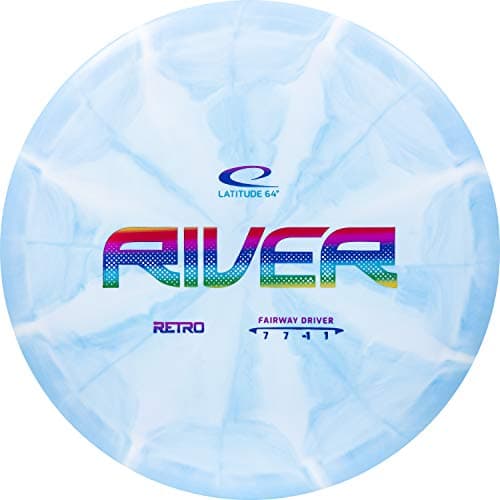
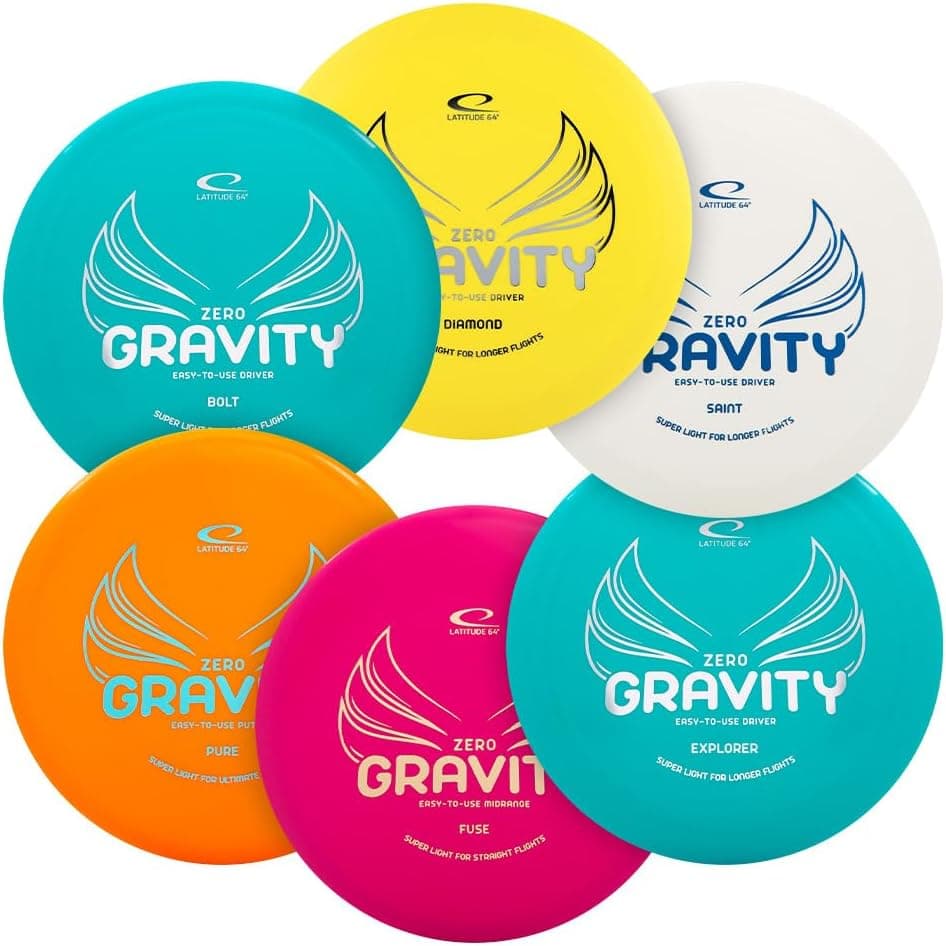
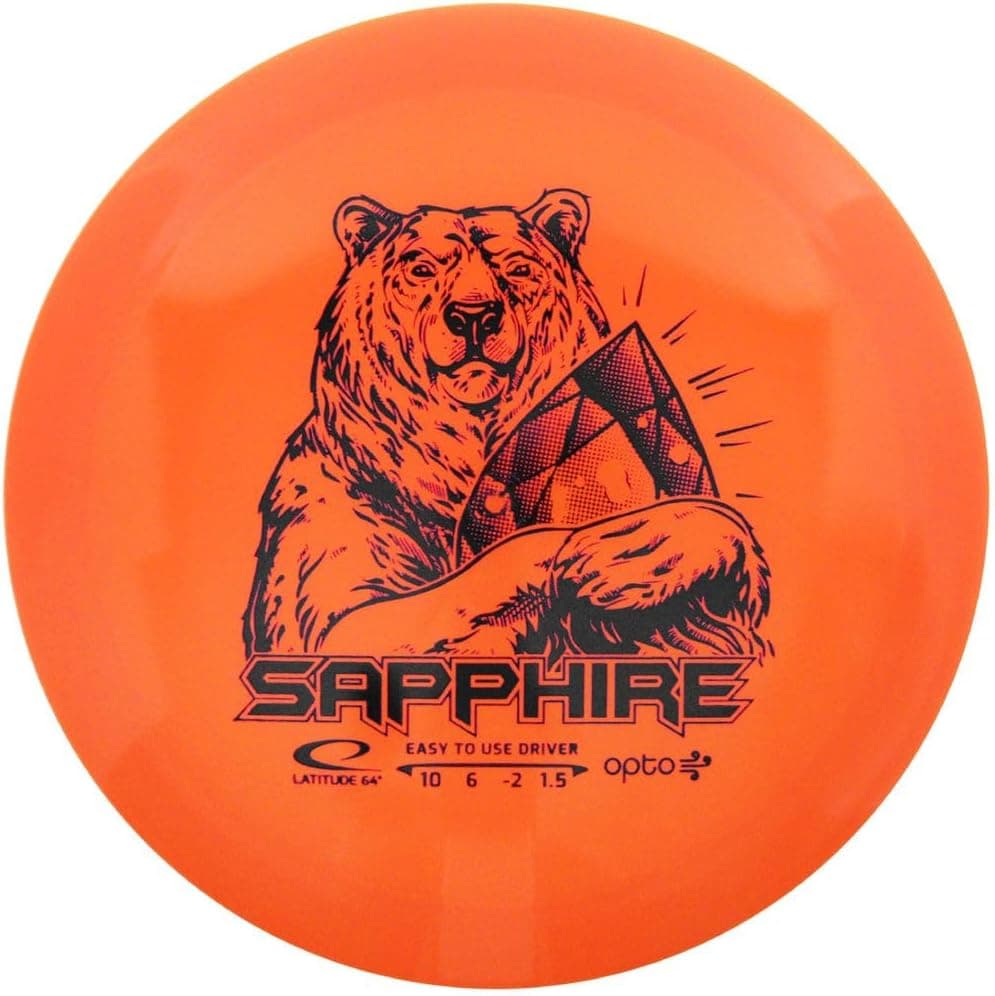
The core principle is straightforward: a lighter disc requires less power to reach the speed at which it flies as designed. For a player still building arm speed, dropping a driver from 175 grams to 160 grams often adds noticeable distance and makes the disc easier to keep flat. Lighter discs also glide longer because they carry less momentum into the ground. If your drives currently dive left and land nose down, weight is one of the first things to adjust.
The tradeoff is wind and control. A light disc is pushed around by wind far more easily, and it will turn over and roll away in conditions a heavier disc handles calmly. Light discs also skip and slide more on landing, which costs strokes near the basket. In open, windy terrain, most players do better with heavier plastic even if it flies slightly shorter.
Different bag slots have different ideal weights. For putters, most players want maximum weight, usually 172 to 176 grams, because a heavy putter resists wind and drops straight into the basket instead of bouncing out. Very few good putters are light. For midranges, weight near the top of the range gives consistency and predictable landings, though a slightly lighter midrange makes a useful understable option for long, gentle turnover shots.
For drivers, the calculation changes with your power. A player who throws under seventy meters will usually see the biggest gains from fairway drivers in the 155 to 165 gram range. As arm speed develops, the sweet spot moves upward, and most experienced players end up throwing drivers in the 170 to 175 gram range because they want the disc to resist turning under high torque. Do not rush that transition. Throwing heavy drivers before your form supports them slows down development and encourages muscling the throw.
There is also a durability angle. Lighter discs of the same mold and plastic have thinner flight plates and wear in faster, becoming more understable sooner. If you find a light driver you love, buy a second copy while it is available, because the beat-in version will eventually fly quite differently from a fresh one. A practical test costs nothing. Take two versions of the same mold at different weights to an open field and throw ten of each at a comfortable effort. Pace out the results and, more importantly, note the flight shape. If the lighter one turns over and rolls, you have enough power for the heavier version. If the heavier one consistently fades left early, you are better served by the lighter one for now.
One last note: do not treat weight as a permanent decision. Arm speed changes across a season and across years, and so should your weights. Many players run lighter discs in early spring when they are rusty and switch heavier by mid summer. Keeping a couple of different weights of your main driver in the bag is not indecision, it is a genuinely useful tool for adapting to wind and to how your body feels on a given day.
Popular right now
- Best Soft Putters for Disc GolfBuying guide
- Best Overstable Drivers for Disc GolfBuying guide
- Disc Golf Weight and Diameter ChartArticle
- Backhand Form BasicsArticle
- Best Fairway Drivers for Disc GolfBuying guide
- Best Understable Drivers for Disc GolfBuying guide
Based on the last 28 days of search and visitor data.