Flight Numbers Explained
Published How we research
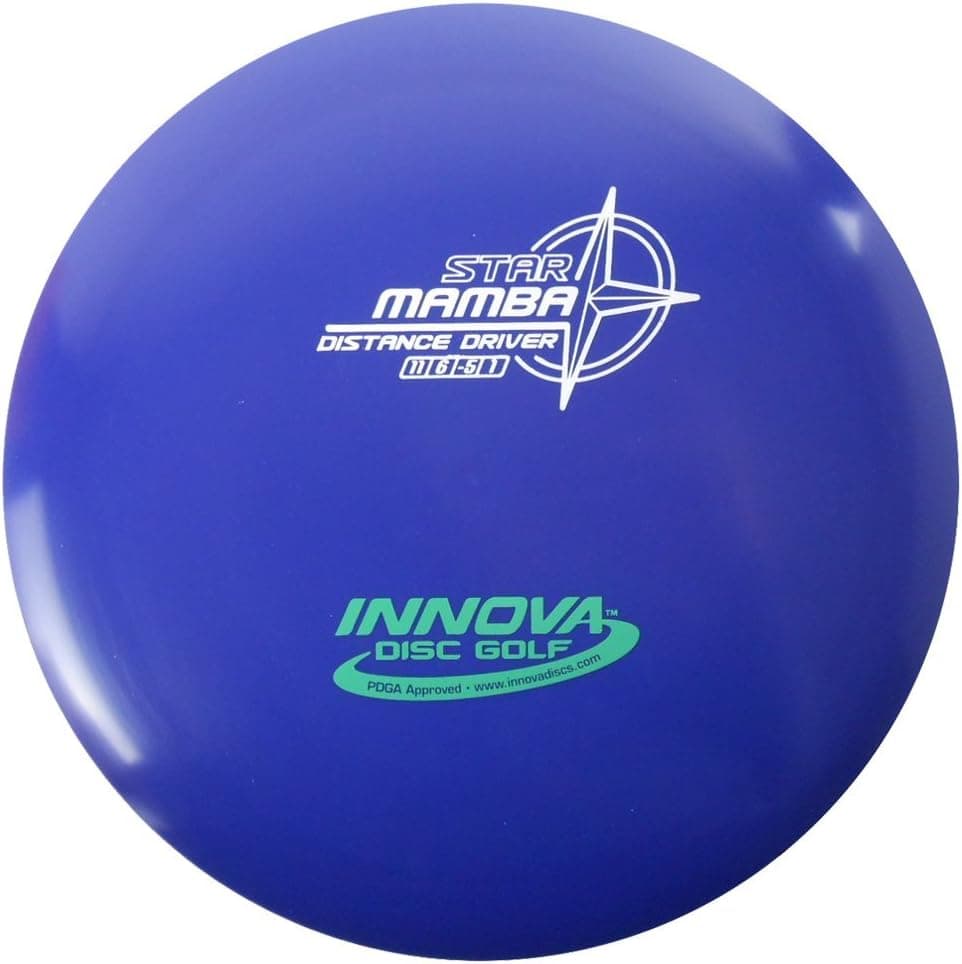
Speed (1-14) describes how much arm speed the disc needs, correlating with rim width; most first-year players do better with speed 9 and below. Glide (1-7) describes how well the disc stays aloft, with high glide extending distance and low glide giving control. Turn (+1 to -5) describes early-flight banking, with negative numbers meaning understable, easy-to-throw-straight discs for beginners. Fade (0-5) is the hook at flight's end. Read turn and fade together to predict shape: a -3/1 flies a gentle S curve, a 0/3 hooks hard left. Numbers assume a flat release and aren't precisely comparable across brands. Nearly every disc golf disc sold today is printed with four numbers, usually in the order speed, glide, turn, and fade. They are not a scientific standard, they are a manufacturer's shorthand, and they only describe how the disc flies when thrown at the power it was designed for. Understood in that light, they are genuinely useful. Taken as gospel, they cause a lot of bad purchases.
Products from this article
The highest-scoring picks from the buying guides this article links to. Scores are our editorial assessment, not customer ratings.
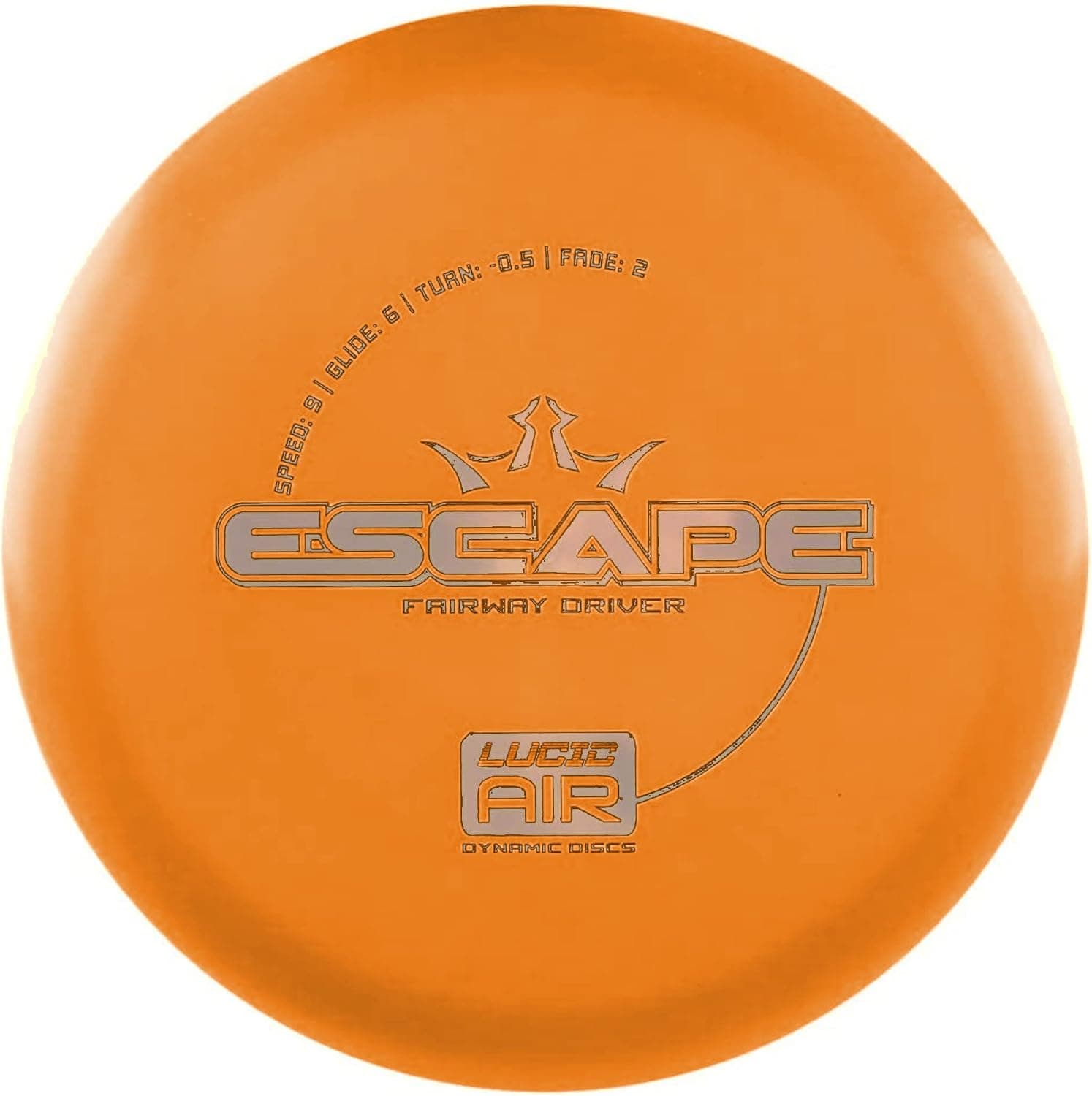
+ Escape is a proven, straight-flying fairway driver that suits many players
From our guide: Best Drivers for Low Arm Speed
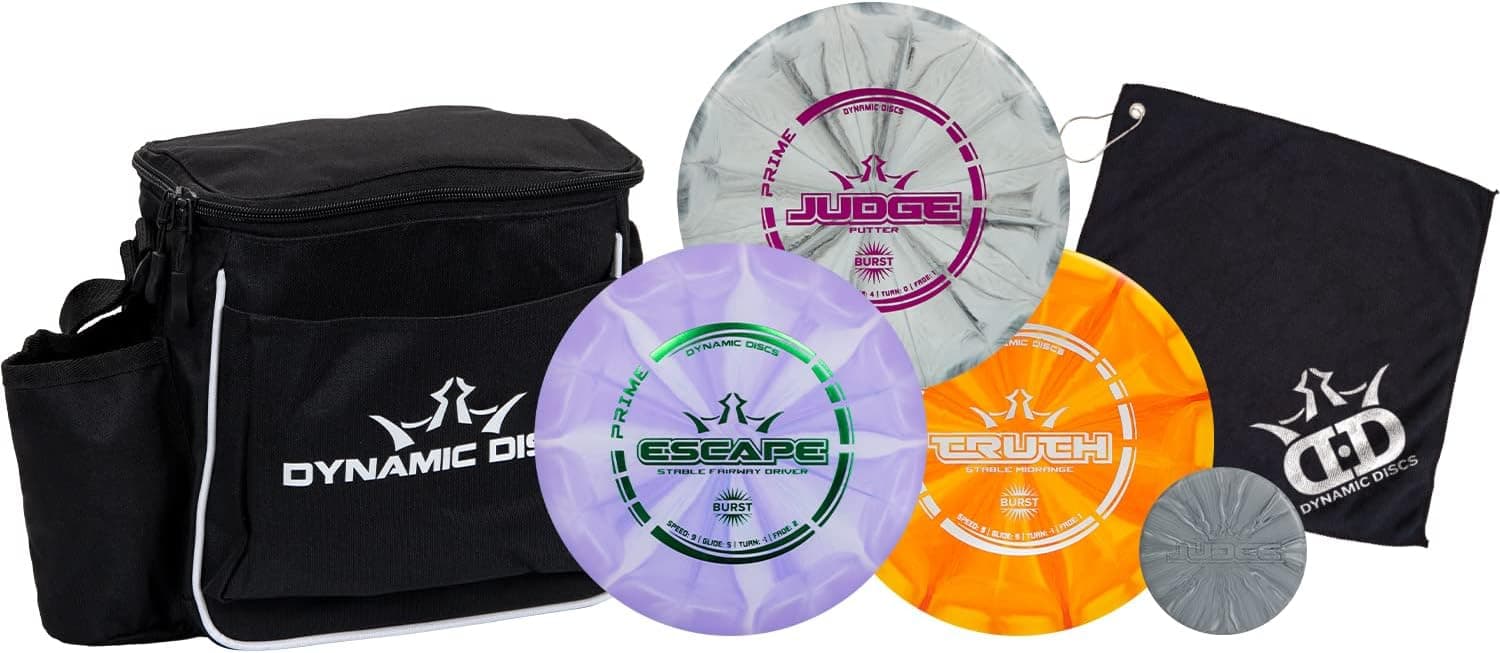
+ Black Cadet shoulder bag is compact and easy for new players to carry
From our guide: Best Disc Golf Gift Sets
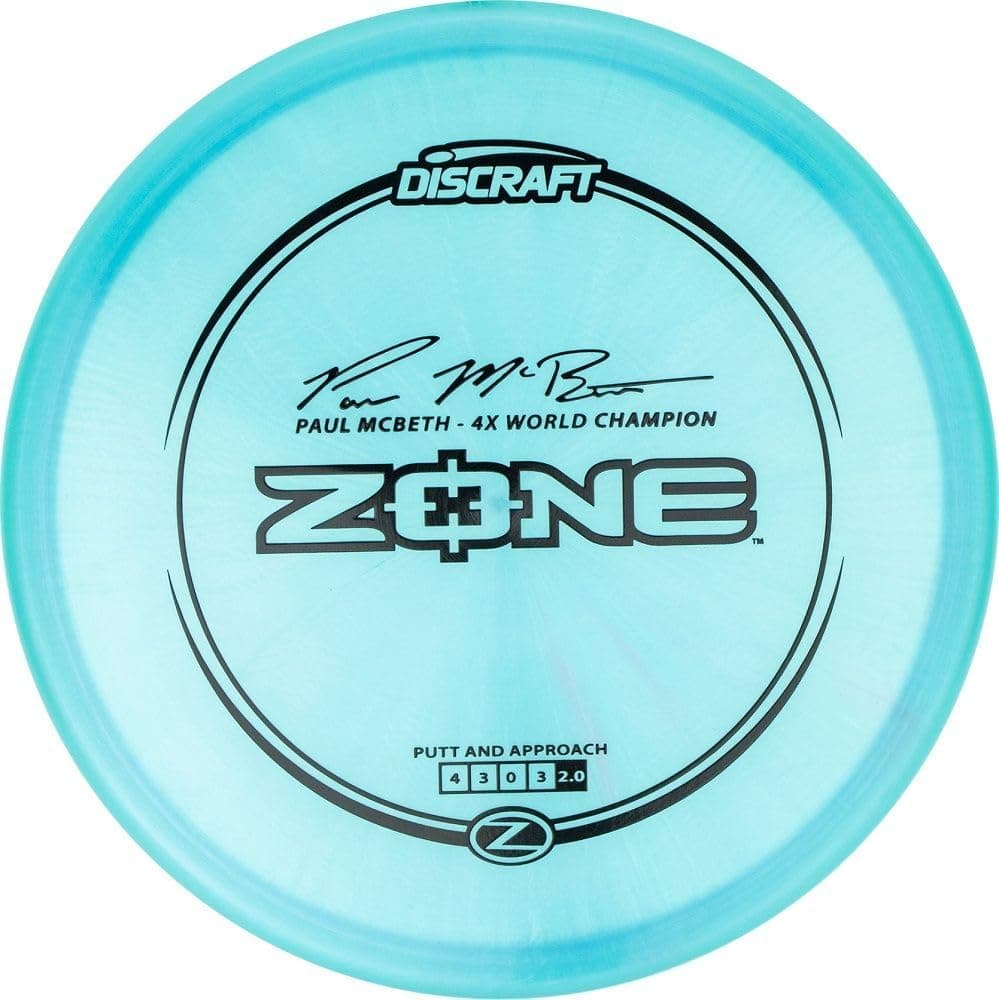
+ Zone's overstable flight handles forehand and backhand upshots with fade
From our guide: Best Approach Discs for Disc Golf
+ Opto AIR plastic cuts weight so slow arms can throw noticeably farther
From our guide: Best Drivers for Low Arm Speed
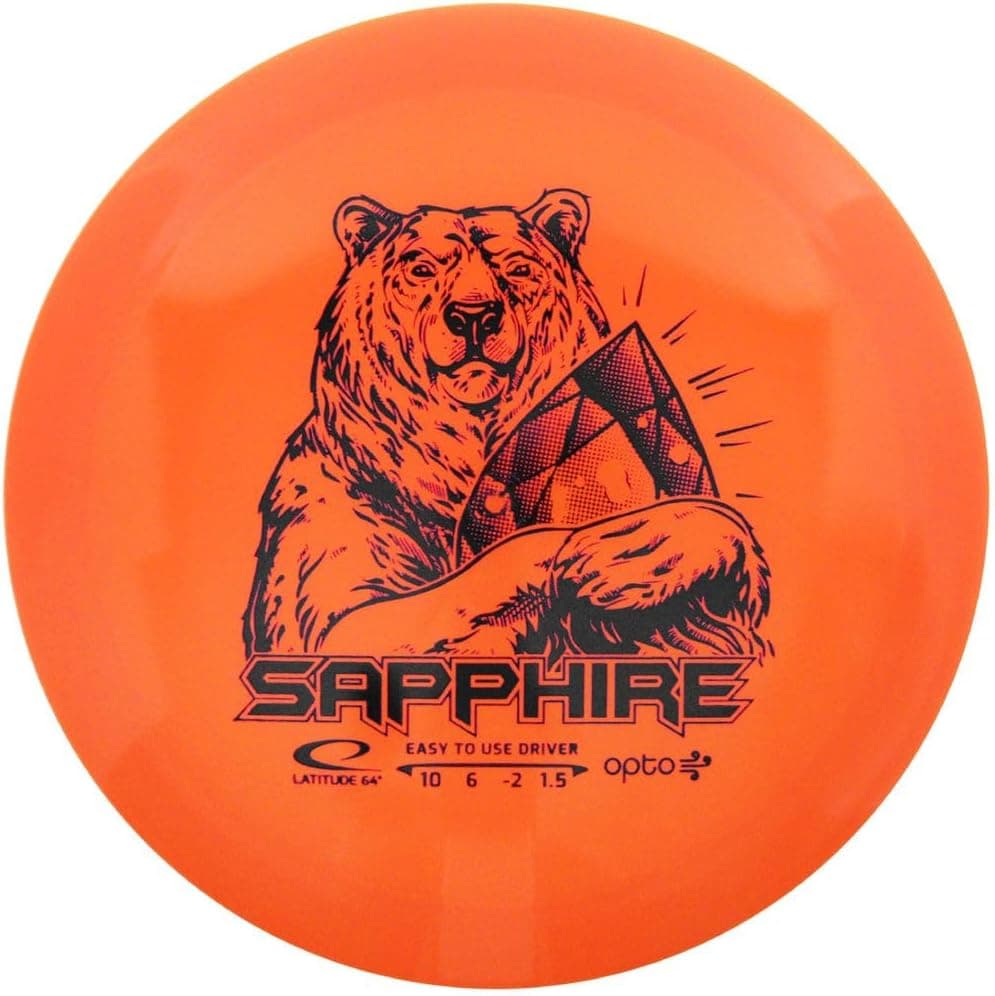

Speed describes how much arm speed a disc needs
Speed runs from roughly 1 to 14 and describes how much arm speed the disc needs to fly as intended. It correlates with the width of the rim: a speed 2 putter has a thin, blunt rim, while a speed 13 distance driver has a wide, sharp one. Speed is not a measure of how far the disc goes for you. A high-speed driver thrown too slowly will never reach its designed flight, it will nose up and fade hard. For most players in their first year, discs rated speed 9 and below produce better results than anything faster.
Glide describes how well the disc stays aloft
Glide, on a scale of about 1 to 7, describes how well the disc stays aloft. High glide extends flight time and distance, which is helpful for players with modest power and for long, open holes. Low glide gives you control, especially on approach shots where you want the disc to come down where you aimed rather than floating another ten meters into trouble. A high glide putter is great for long putts, and frustrating in a headwind.
Turn is where new players get confused
Turn is where new players get confused. It runs from +1 to -5 and describes what the disc does in the first, high-speed part of its flight. A negative number means the disc will tend to bank right for a right-handed backhand throw. This is called understable behavior. A disc with -3 turn is easy for a beginner to make fly straight, because their throw will not turn it as much as a stronger arm would. A disc rated 0 or +1 will resist turning entirely and, in most beginner hands, will simply fade left the whole way.
Fade is what happens at the end of the flight
Fade, rated 0 to 5, is what happens at the end of the flight when the disc slows down. Every disc fades. A fade of 0 means a gentle finish, a fade of 3 or 4 means the disc will reliably hook hard to the left for a right-handed backhand throw. Fade is your friend when you need to get around an obstacle or stop a disc quickly, and your enemy when you are trying to hold a straight line down a narrow fairway.
Read turn and fade together to predict shape
The practical way to read the numbers is to look at turn and fade together. A disc rated -3 / 1 is understable and will fly a long, gentle right-to-left S curve for a right-handed backhand thrower with moderate power. A disc rated 0 / 3 is overstable and will fly a hard left hook. A disc rated -1 / 1 is the classic straight flyer. Once you can look at a pair of numbers and predict a shape, you can shop for a flight path rather than a brand name.
Two important caveats about the numbers
Two important caveats. First, the numbers assume a flat release at the disc's intended speed. Change your release angle and you change everything, which is why the same disc can fly three different shapes for three different players. Second, numbers are not comparable across manufacturers with any precision. One company's speed 7 can feel like another's speed 9. Use flight numbers to narrow your options within a brand you already know, then trust your own field testing over anything printed on the plastic.
Frequently asked questions
What disc golf speed rating is best for beginners? Discs rated speed 9 and below generally produce better results for most players in their first year, since higher-speed drivers need more arm speed than a beginner typically generates.
What does negative turn mean on a disc golf disc? A negative turn number means the disc tends to bank right for a right-handed backhand throw during the high-speed part of its flight, which is called understable behavior and is easier for beginners to control.
How do you predict a disc's flight shape from its numbers? Look at turn and fade together: a disc rated around -3/1 flies a long, gentle right-to-left S curve, while a 0/3 disc is overstable and hooks hard left, and a -1/1 disc flies nearly straight.
Are disc golf flight numbers the same across all brands? No, numbers are not comparable across manufacturers with much precision; one company's speed 7 can feel like another's speed 9, so use them to narrow options within a brand you know.
Popular right now
- Best Soft Putters for Disc GolfBuying guide
- Best Overstable Drivers for Disc GolfBuying guide
- Disc Golf Weight and Diameter ChartArticle
- Backhand Form BasicsArticle
- Best Fairway Drivers for Disc GolfBuying guide
- Best Understable Drivers for Disc GolfBuying guide
Based on the last 28 days of search and visitor data.