Reading Wind on the Course and Adjusting Your Throw
Published How we research
Wind is the variable that most separates a player who understands disc flight from one who has only memorized what their discs do on a calm day. A moderate wind can add twenty meters to a drive or turn a reliable straight flyer into a roller. Learning to read it, and to adjust before throwing rather than after, is one of the quickest ways to lower scores in exposed conditions.
Products from this article
The highest-scoring picks from the buying guides this article links to. Scores are our editorial assessment, not customer ratings.
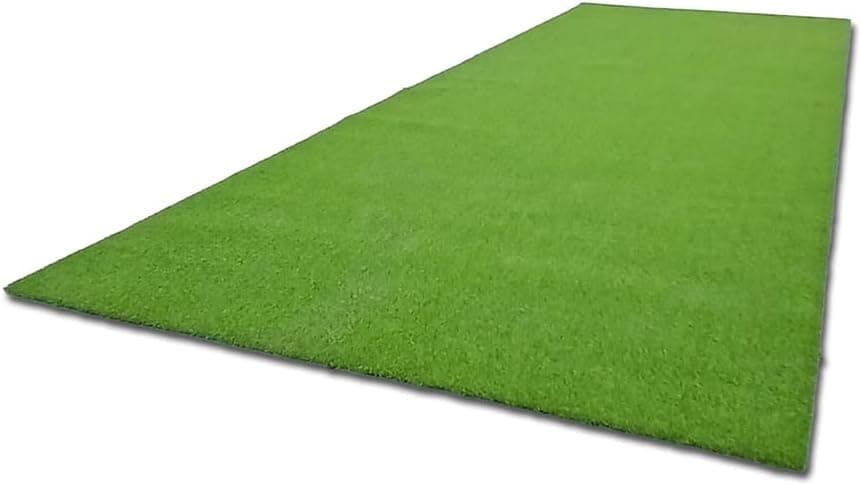
+ 5 x 5 size gives a large, stable standing surface for footwork
From our guide: Best Disc Golf Putting Mats
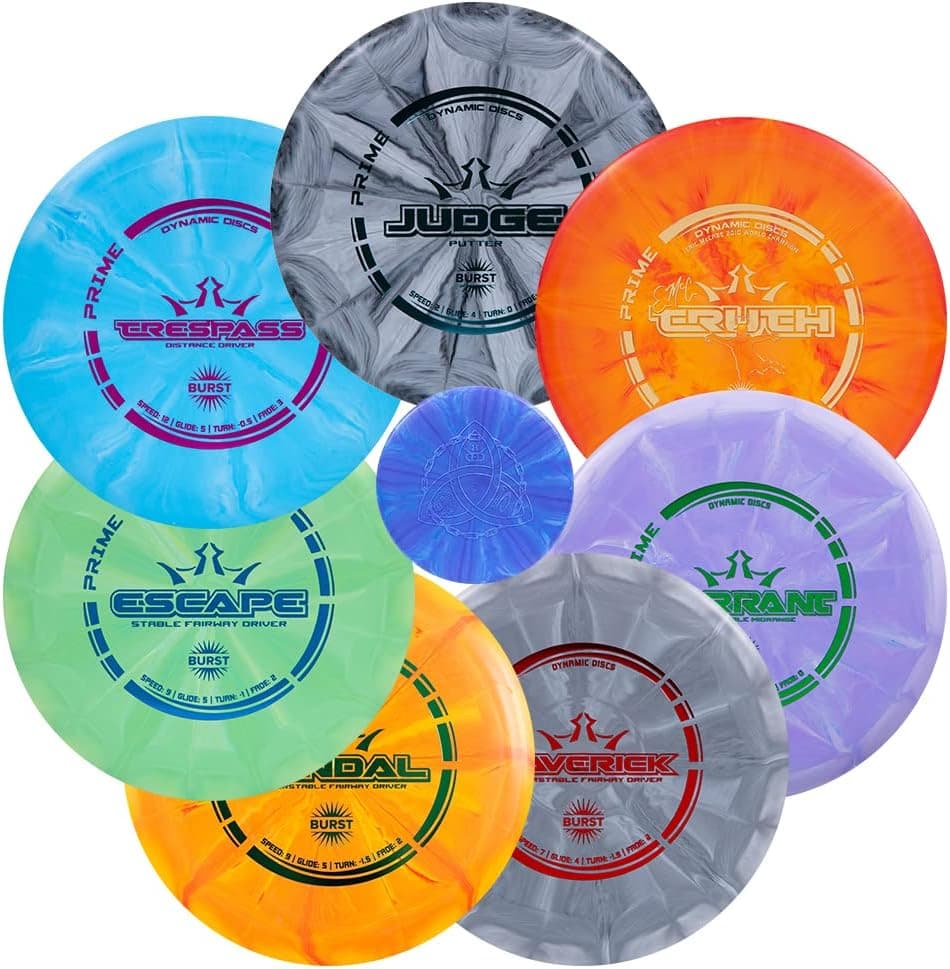
+ 3X fairway drivers give real shot-shaping options for competitive rounds
From our guide: Best Tournament Disc Packs
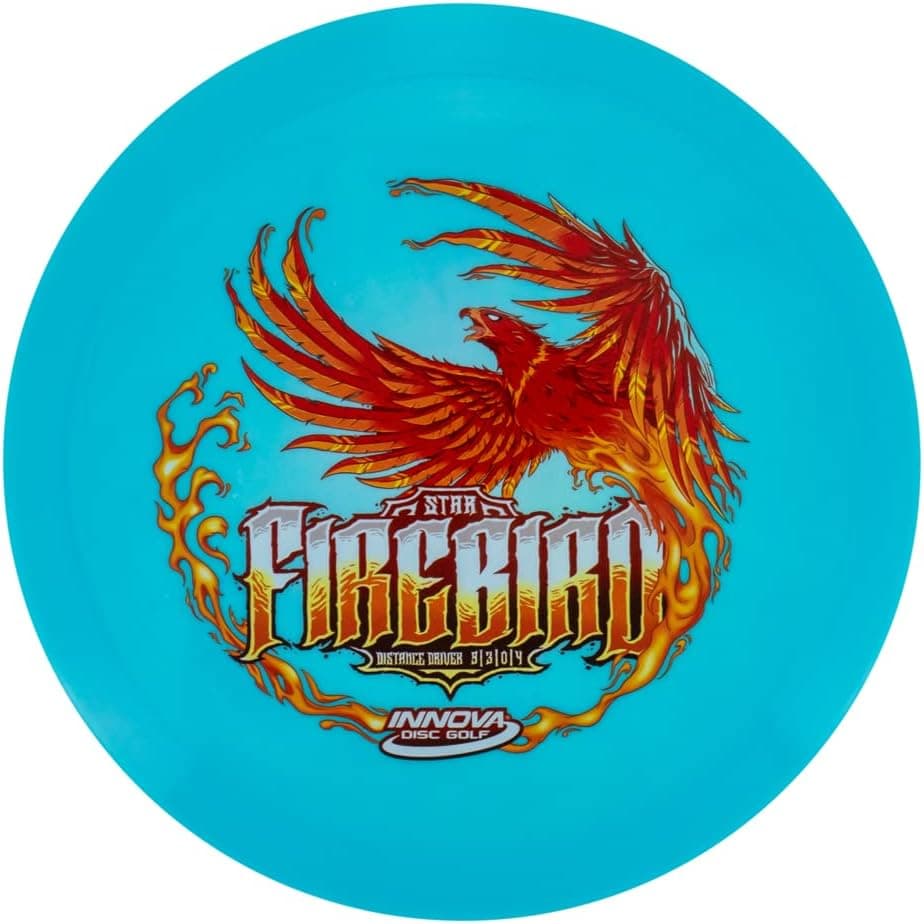
+ Firebird fights hard left on backhand, dependable in strong headwinds
From our guide: Best Overstable Drivers for Disc Golf
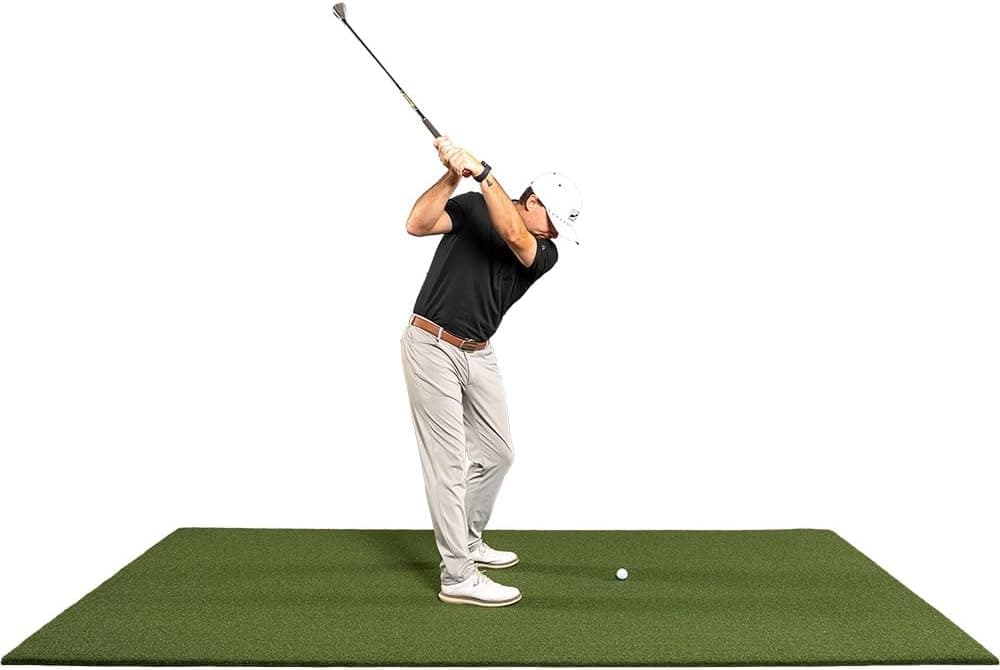
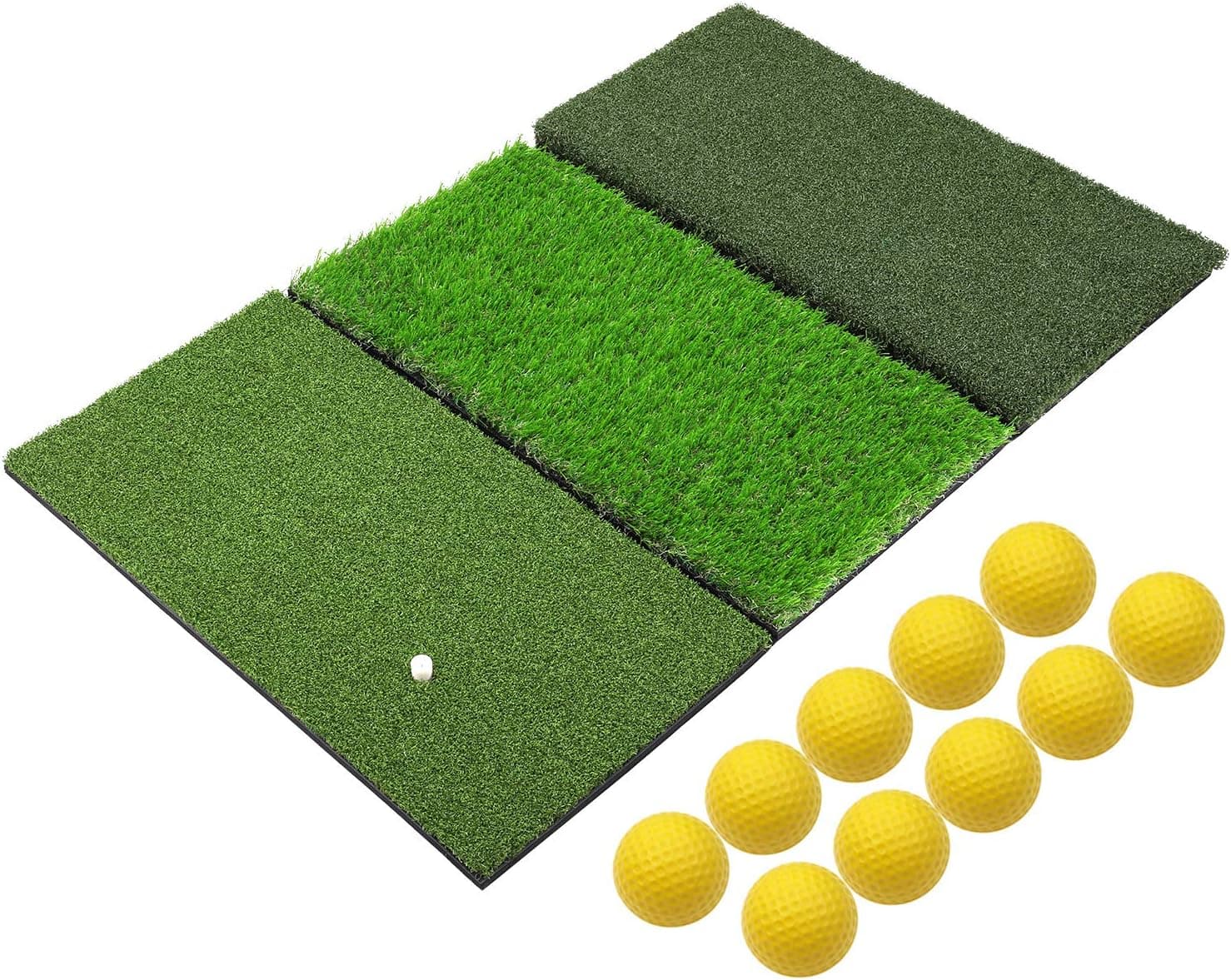
+ 24'' x 37'' XL size gives a roomy stance area for putting practice
From our guide: Best Disc Golf Putting Mats

Start by actually checking the wind before each throw rather than assuming it matches the last hole. Trees, flags on baskets, and long grass all show direction. Throwing a few blades of grass into the air tells you more than a weather app, because wind at ground level in a wooded corridor can be completely different from wind at the top of the ridge. Also remember that wind at the height your disc will fly is what matters, not wind at your face.
A headwind makes a disc behave as if it were more understable. The extra airflow over the disc increases lift and encourages it to turn over. The correct response is to throw a more overstable disc than you normally would, keep the nose angle down, and throw with less height. Throwing hard into a headwind usually backfires, since more speed means more turn. A controlled, low, nose-down throw with a stable disc will beat a full power effort almost every time.
A tailwind does the opposite: it reduces the relative airflow and makes discs behave as if they were more overstable, fading earlier and landing sooner unless you give them height. In a tailwind, a slightly understable disc thrown with a bit more elevation will ride the wind and travel a long way. Be aware that discs landing with a tailwind skip further, which matters greatly on approach shots.
Crosswinds are the most misunderstood. A wind blowing from your right to your left, for a right-handed backhand player, will push under the raised edge of a hyzer throw and knock the disc down early. The same wind gets under an anhyzer and can carry it a long way. The practical rule is to shape your throw so the wind supports the flight you want rather than fighting it. Sometimes the best line in a crosswind is nothing like the line you would take on a calm day.
Wind also affects putting more than most players allow for. Into a headwind, putt lower and with more spin so the disc drives through rather than floating. With a tailwind, expect the disc to sail and aim lower on the chains, and be prepared for a long comeback if you miss. In a strong crosswind, a straddle stance gives a more stable base and reduces the chance of being blown off balance mid-stroke.
Disc selection for windy rounds is worth planning before you leave the car. Heavier weights, more overstable molds, and lower glide all help in wind. If your bag is entirely light, understable plastic, a windy day will be miserable regardless of technique. Carrying one genuinely overstable driver and one overstable midrange solves most wind problems. Finally, adjust your ambitions. Wind increases variance, and variance punishes aggressive lines. On a windy day, aim for the fat part of the fairway, take fewer risks around water and out of bounds, and accept that a par in tough conditions is a good score. Players who insist on attacking in strong wind usually finish with a scorecard full of doubles.
Popular right now
- Best Soft Putters for Disc GolfBuying guide
- Best Overstable Drivers for Disc GolfBuying guide
- Disc Golf Weight and Diameter ChartArticle
- Backhand Form BasicsArticle
- Best Fairway Drivers for Disc GolfBuying guide
- Best Understable Drivers for Disc GolfBuying guide
Based on the last 28 days of search and visitor data.